


FLASH NEWS
Kurti-opposition clashes and the battle for the presidency, REL analysis: Why Kosovo is going to elections again

2026-05-24 21:30:49 / KOSOVA
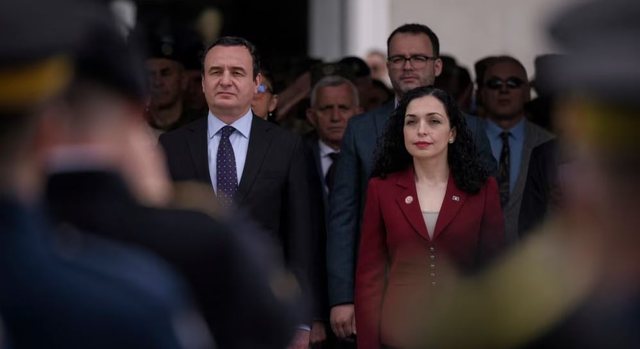
A role conceived as largely ceremonial has taken on a weight that exceeds its own competences. The president has become the nexus of the political crisis in Kosovo, leading the country towards new elections, but with no guarantee that they will produce a solution. According to observers, the vote can only bring results in a certain configuration – otherwise, it risks reproducing the same stalemate that has dragged on for months.
The June 7 elections are the end of a long chain of institutional and political failures: from the failure to elect a president within the constitutional deadline and the decree dissolving the Assembly, to the decisions of the Constitutional Court, fruitless meetings between political leaders, names proposed without consensus, boycotts of sessions, and continuous clashes between the government and the opposition.
For the party currently in power, the Vetevendosje Movement, which won over 51 percent of the vote in the December 28 elections, the responsibility for this blockade falls on the opposition, or, as its leader, Albin Kurti, describes it, the "opposition bloc", which, according to him, has acted in a coordinated manner against Vetevendosje.
"Forcing a million citizens to go to the ballot boxes again, just four months after they expressed their will in a plebiscite, which someone does not like... They want to adapt the people to their whims, but this is impossible," Kurti told his supporters. From the opposition's perspective, Kurti, despite his strong electoral mandate, has avoided political compromise and has chosen confrontation as a course of action.
According to Bedri Hamza, the leader of the PDK, the largest opposition party, he has pushed the country towards new elections, with the aim of further strengthening the position of Vetëvendosje. “He is asking for submission, not cooperation. He is asking for our support not for the state, but for his power. Not for the stability of the country, but for his political stability,” Hamza said in a video message published on his social media.
The LDK, as the third party in power, has already determined the two main candidacies for the upcoming race: its leader, Lumir Abdixhiku, as candidate for prime minister, and former president Vjosa Osmani as candidate for president, although the latter is not a constitutional obligation, as the president is elected in the Assembly.
Por, në një proces zgjedhor që de facto është nxitur nga dështimi për zgjedhjen e presidentit, këto emërime kanë marrë peshë të shtuar politike. Osmani, e cila në vitin 2021 ka garuar në listë të përbashkët me Kurtin, sot është e pozicionuar hapur kundër tij, pas prishjes së bashkëpunimit dhe mungesës së mbështetjes për mandatin e dytë presidencial. “Ka një gjë që historia e këtij populli na e ka mësuar gjithmonë: rrugët e mbyllura nga frikacakët, gjithmonë hapen nga populli dhe është populli ai që e di të vërtetën”, ka thënë Osmani në një paraqitje para mbështetësve të saj.
Populli, në fakt, e percepton të vërtetën në mënyrën e vet.
Më 7 qershor, ai do t’u drejtohet kutive të votimit për herë të pestë brenda një viti e gjysmë, nëse përfshihen një palë zgjedhje të rregullta parlamentare, një palë të parakohshme dhe dy runde të zgjedhjeve lokale. Për disa votues në Prishtinë, të anketuar për programin Expose të Radios Evropa e Lirë, vota mbetet mjeti i vetëm i ndikimit politik, por me gjithnjë e më pak besim në një garë që, sipas tyre, nuk matet më me programe, por me emra dhe llogari personale.
“Unë mendoj që jo veç për president, por as për kryeministër, partitë nuk do të duhej të nxirrnin emra. Ato do të duhej ta nxirrnin programin në plan të parë dhe ai që fiton, ta nominojë një kandidat që mund t’i realizojë ato objektiva”, thotë Behxhet Halili.
“Këtu te ne, lufta me emra… sikur kemi hyrë në njëfarë gare për të realizuar ambiciet e individëve”, shton ai.
“Nëse nuk dalim të votojmë, nuk mund as të kritikojmë, as të përkrahim… Vota është obligim i çdo qytetari”, sipas Elmaze Gashit. “Do të dal të votoj, e për ndryshime ka pak gjasa”, thotë bashkëqytetari i saj, Agim Mjeku. “Unë do të votoj që të mos më humbë vota. Nuk besoj se do të zgjidhet ndonjë gjë, do të shkojmë sërish në zgjedhje. Ky është medimi im”, shton ai.
E, ky është edhe mendimi i Abit Hoxhës, ligjërues dhe hulumtues në Universitetin Agder në Norvegji, i cili thotë se Kosova rrezikon një cikël të përsëritur krizash politike, për shkak të mungesës së kompromisit mes partive. Ai thekson se sistemi është ndërtuar për bashkëqeverisje dhe marrëveshje politike, jo për dominim, ndaj i konsideron të nxituara edhe kandidaturat për president përpara zgjedhjeve.
“Pozita e presidentit të Kosovës përmbushet përmes Kuvendit të Kosovës dhe kandidaturat për president ‘nuk çojnë ujë në mulli’ të kompromisit politik”, thotë Hoxha për Exposenë. Në këtë kontekst, ai e sheh veprimin e LDK-së me Osmanin më shumë si lëvizje të drejtuar nga interesat e brendshme partiake, sesa si kandidaturë reale që prodhon kompromis. “Është një emërtim kryekëput për konsum politik, nuk është praktik, sepse presidenti duhet të zgjidhet si pjesë e kompromisit politik dhe duhet të negociohet. Nuk mund të kesh një kandidat për president që të negociohet kandidati për president”, thotë Hoxha.
Në një situatë – në dukje të ngjashme – Osmani ka qenë edhe në vitin 2021, atëkohë ushtruese e detyrës së presidentes së Kosovës. Ajo i është bashkuar garës zgjedhore në një listë të përbashkët me Lëvizjen Vetëvendosje të Kurtit, duke synuar postin e presidentes, ndërsa Kurti atë të kryeministrit. “Sot dhe për katër vjetët në vijim, por edhe përtej këtyre katër vjetëve, ne jemi të vendosur për të luftuar në mënyrë të pakompromis kundër korrupsionit dhe krimit të organizuar në vend, për të ndërtuar një shtet që prioritetizon arsimin dhe shëndetësinë, mbrojtjen e mjedisit dhe mirëqenien e secilit dhe secilës nga ju, duke siguruar një rimëkëmbje ekonomike të drejtë, gjithëpërfshirëse dhe inovative”, ka thënë Osmani më 14 janar 2021.
Synimet e tyre për postet kryesore u realizuan pas zgjedhjeve të 14 shkurtit atë vit, por partneriteti politik nisi të lëkundej edhe para se të përmbyllej një mandat.
Për Donika Eminin, nga Grupi Këshillues për Politikat e Ballkanit në Evropë, modeli i vitit 2021 ka qenë i paprecedent dhe thelbësisht simbolik, pasi në një sistem parlamentar si Kosova, posti i presidentit nuk përcaktohet në kutitë e votimit, por përmes marrëveshjeve politike në Kuvend. Edhe kandidatura e tanishme e Osmanit, sipas saj, nuk e ndryshon këtë logjikë. “Patëm apo nuk i patëm këta emra, konfigurimi, rezultati i zgjedhjeve do të përcaktojë se si këto forca politike do të navigojnë rreth njëra-tjetrës. Si një gjë simbilike mund të ketë efekt tek elektorati, por jo domosdoshmëritsht është zgjidhje e krizës politike nëse e kemi një emër paraprakisht”, vlerëson Emini për Exposenë.
Ajo shton se Osmani, për më tepër, nuk ka ofertë politike, por kryesisht kundërpërgjigje ndaj Vetëvendosjes, çka, siç thotë, mund të përfundojë duke e forcuar këtë të fundit. Sipas saj, edhe PDK-ja, me refuzimin e bashkëpunimit me Nismën dhe mungesën e prurjeve të reja politike, mund të ndikojë në rritjen elektorale të Vetëvendosjes. “Nëse potencialisht ndodh që Lëvizja Vetëvendosje, edhe me ndihmën e diasporës, rritet si parti politike, atëherë fuqia e saj negociuese do të jetë më e madhe dhe nuk do të ketë shumë hapësirë për manovara politike siç i kemi parë në dy vjetët e kaluar”, thotë Emini.
Ajo thekson se vetëm në një skenar të tillë do të mund të zgjidhej kriza aktuale, por paralajmëron se ai do të vinte me kosto për pluralizmin politik dhe vetë demokracinë, prandaj nuk do të ishte i shëndetshëm.
According to her, breaking the deadlock only requires greater awareness from the political class that Kosovo is a multi-party system, built by the Constitution to function on the basis of consensus. With Kurti insisting on a unifying and non-partisan president, Hoxha does not see such a disposition between the parties even close. He estimates that a political agreement can only come in exceptional circumstances. “The only way to build a political compromise in Kosovo is a bigger challenge… a problem in the north, an act against the state of Kosovo, a sabotage, a major threat. Something like that could unite the political factor, otherwise I do not see the political will for compromise,” says Hoxha.
Currently, the acting president is the Speaker of the Parliament, Albulena Haxhiu. According to the Constitution, this mandate cannot last more than six months, but it is not clearly defined what happens if a president with full powers is not elected within this period. And, such a situation, according to a statement by Kurti on April 24, a few days before the announcement of the June 7 elections, cannot be completely ruled out. “If we go to the elections in June and the Vetëvendosje Movement with its partners – GUXO, Alternative for Minorities – does not reach 80 MPs, then we will go to the elections again in the fall or winter. Who benefits from this?” Kurti asked.
Maybe to no one, maybe to someone, but certainly not to the political stability of Kosovo… although, according to Abit Hoxha, the country has transformed into a system that “functions in crisis”, but which is essentially experiencing stagnation. According to him, the lack of strategic decision-making and compromise has created a situation where “the country is moving in the opposite direction”, while losing development opportunities and international support./REL
Happening now...



ideas


top

Alfa recipes






services
- POLICE129
- STREET POLICE126
- AMBULANCE112
- FIREFIGHTER128