


FLASH NEWS
The Economist analysis: America could be just weeks away from a major economic shock

2025-04-30 12:31:56 / BOTA
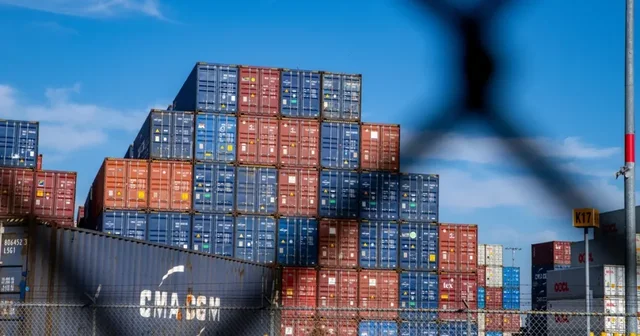
The reasons why the effects of Donald Trump's aggressive tariff policy have not yet been fully reflected in US economic indicators, explains today's Economist article. According to the publication, although the blow is not yet visible, the "storm" caused by the US in global trade may be dangerously approaching its shores.
“Five years ago, when the pandemic paralyzed the global economy, economists turned to new tools - such as mobility data and restaurant reservations - to track developments in real time. Today, as the world tries to assess the impact of Donald Trump's aggressive new tariffs on Chinese imports, analysts are again using innovative methods. Early findings show that the world's largest economy has not yet suffered a serious blow. But problems are coming,” the publication says.
And he continues: Even before most of the tariffs were imposed on April 9, surveys recorded concern among U.S. consumers and businesses. According to a survey by the Federal Reserve Bank of Dallas, industrial production hit a record low in April. But such statistics can be misleading: Americans tend to view the economy through the prism of their political beliefs.
During the Biden presidency, many people declared themselves pessimistic but continued to consume, a fact that calls into question the value of confidence indicators. On the other hand, so-called "hard indicators," such as wages and GDP, reflect an economic reality that has already passed. The positive employment figures in March reflect the behavior of businesses before Trump's tariff threats took concrete form.
Real-time data helps avoid these two pitfalls by providing a more immediate picture of economic activity. Many pandemic-era indicators are now outdated or no longer published. However, global trade is still closely monitored: cargo ships begin recording weeks before their arrival, transmitting position signals via satellite and providing detailed lists of the goods they are carrying.
Disa nga të dhënat sugjerojnë se ndikimi i konfliktit tregtar është i kufizuar deri më tani. Në javën që përfundoi më 25 prill, dhjetë anije mallrash, që transportonin 555,000 ton mallra, u ankoruan në portet e Los Angeles dhe Long Beach, portat kryesore për mallrat kineze në SHBA. Vëllimi ishte i ngjashëm me vitin e kaluar. Por udhëtimi nga Kina në Bregun Perëndimor të SHBA-së mund të zgjasë nga 2 javë deri në 40 ditë, që do të thotë se shumë nga anijet që mbërrijnë tani kishin lundruar përpara se tarifat të hynin në fuqi.
Tregues të tjerë janë më shqetësues. Sipas firmës së të dhënave Vizion, rezervimet për udhëtime të reja midis Kinës dhe SHBA-së ranë me 45% nga viti në vit në javën që filloi më 14 prill. Në të njëjtën kohë, numri i udhëtimeve bosh (kur një anije anashkalon një port ose një kompani ka më pak anije në një itinerar) tani arrin në 40% të të gjitha udhëtimeve të planifikuara.
Të dhënat e çmimeve sugjerojnë se flukset tregtare po riformësohen. Kostoja e udhëtimit midis Shangait dhe Los Anxhelosit ka rënë me rreth 1,000 dollarë muajin e kaluar, sipas Freightos, një kompani logjistike, pasi kompanitë kanë kaluar nga tarifat “e paracaktuara”, duke importuar më shumë se zakonisht për të përmbushur afatin e zbatimit, në shmangien e tyre. Çmimi për transportimin e mallrave nga Vietnami në Amerikë u rrit me një shumë të ngjashme, duke sugjeruar që importuesit po kërkojnë furnizues alternativë.
"A mund të jetë ndonjë nga këto 'zile dhe bilbila' mashtruese? Të dhënat e transportit detar janë të paqëndrueshme dhe sezonale: për shembull, rënia prej 30% nga viti në vit e rezervimeve për në Los Angeles bie brenda luhatjeve normale javore. Në porte më të vogla, siç është p.sh. ai i Seattle-it, vetëm një anije mbërrin çdo ditë. Nuk është e pazakontë që disa ditë të kalojnë pa mbërritur asnjë anije.
Për më tepër, edhe treguesit me frekuencë të lartë që përdoren gjerësisht nuk tregojnë një stanjacion të ekonomisë. Sipas Barclays, shpenzimet e kartave të kreditit dhe hapjet e vendeve të punës në SHBA ishin në nivele të ngjashme në prill me të njëjtin muaj në vitin 2024.
Por goditja mund të jetë duke ardhur. Efektet e tronditjeve tregtare duan kohë për t'u shfaqur në ekonomi: shumë kompani do të kenë pasur kohë për të ndërtuar inventarë para se të hyjnë në fuqi tarifat. Kërkesa për depo pranë porteve, ku mallrat ruhen dhe detyrimet paguhen vetëm pas lëshimit të tyre, është rritur ndjeshëm. Shumë biznese po zgjedhin të mos rrisin çmimet, edhe pse teorikisht duhet, ose sepse janë të lidhura nga kontrata paraprake ose sepse duan të ruajnë marrëdhënie të mira me klientët e tyre, në rast se Trump tërhiqet,” thotë botimi.
As Peter Sand of consulting firm Xeneta points out, the uncertainty caused by Trump's unpredictable tariff policy has caught many shipping companies by surprise, despite the experience they have gained over the last decade in dealing with successive crises: from the pandemic and the Suez Canal blockade, to Houthi attacks in the Red Sea.
This uncertainty will hurt trade and the economy in general, even if the United States eventually lifts the strictest measures. Ships that did not sail on time will either arrive with a significant delay, or will not arrive at all. Stocks will run out. Many businesses will have frozen investment and employment plans, and restarting them will not be an easy task."
"The US may not yet have been hit by the trade storm it has caused, but the prognosis is far from favorable," the Economist concludes.

Happening now...














83 mandates are not immunity for Rama's friends
Nga Gentian Gaba
ideas

Teatri që fsheh prapaskenën
Nga Patrik Sadikaj

Berisha's red line and the black line of democracy in the DP
Besmir Semanaj

top



Alfa recipes



TRENDING 




services
- POLICE129
- STREET POLICE126
- AMBULANCE112
- FIREFIGHTER128