


FLASH NEWS
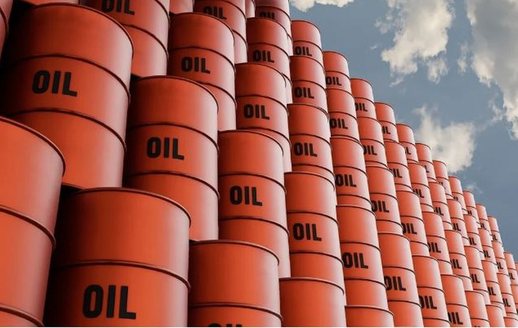
Scandal with olive oil, mixture with vegetable oils and pesticide residues / Dozens of lots are withdrawn from the market, AKU hides the news

2023-12-28 18:50:43 / EKONOMI&SOCIALE
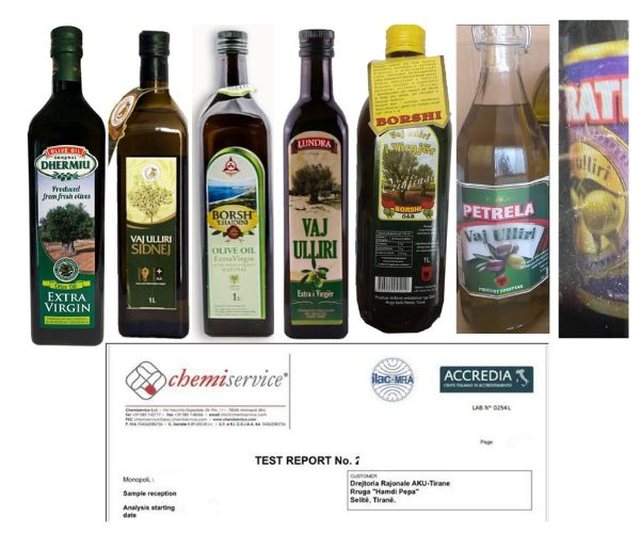
Food safety in our country is involved in another scandal and this time it is about olive oil.
The country's most popular brands are withdrawing dozens of production lots from the market, due to problems that have emerged in the analyzes carried out.
Meanwhile, the National Food Authority has kept the news secret, not making any communication to the public.
It is about the well-known names of the production and marketing of olive oil, such as Dhërmiu, Borsh (Y. Hajdini), Borshi, Sidnej, Lundra, Petrela, Vaj Ulliri Berati, which have been analyzed for many indicators and referred to the Decision of the Council of Ministers No. 235, dated 21.03.2017, for the Approval of the Regulation "On the quality characteristics and naturalness criteria of olive oil and olive pomace". And, according to experts, the results are scandalous. In fact, many of these oils have been found to contain high levels of pesticides.
The ALERT Center was able to learn that, within the framework of the National Waste Monitoring Plan, the National Food Authority has taken dozens of "Made in Albania" olive oil samples and analyzed them in Italy, at the "Chemiservice" laboratory.
According to the analyzes referred by the Italian laboratory, only 1 sample has come out in accordance with the legislation and other data from the 7 companies mentioned above, while all the others have shown that the olive oils, some have impurity rates, which means that they are mixed and other plants such as sunflower or mistri, some have a high content of pesticides, etc.
In most of the analyses, fatty acids such as linolenic acid and erucic acid have been found to be outside the permitted limits, which are indicators that the olive oil may have been mixed with vegetable oil. Also, from the analyzes of "Chemiservise" it is shown that most of the oils have content of trans fatty acids, this is an indicator of a refined oil, not olive oil.
The indicators of the report-analysis that have come out of the allowed norms referring to the standards of the European Union and VKM No. 235, dated 21.03.2017, are indicators of the impurity of the olive oil. Also, the high amount of waxes (wax or cera), according to the analysis, shows the purity and quality of the olive oil. The increase of this compound can also come as a result of a poor quality of the fruit, especially when it is affected by some diseases, or the fruits that have passed high temperatures during the ripening time, can increase the amount of these compounds.
This data shows abuse by the manufacturers themselves. This, as the above indicators confirm the fact that producers add other oils to olive oil such as sunflower oil or from the oil of the Indian Safflower Carthamus Tinctorius, the amount of which is imported to Albania.
But, more dangerous are the pesticide residues that have resulted in these oils, mainly insecticides and fungicides. Some of the pesticides that have resulted in olive girls, up to ten times higher than the permitted rates, are Chlorperyfos Ethyl, Difenocoleazole, Diphenylamine, Boscalid, Cypermethine, Deltamethrine and Lambda Cyhalothine.
The ALERT Center has been able to learn that ten lots of the companies Dhërmiu, Borsh (Y. Hajdini), Borshi, Sidnej, Lundra, Petrela, Vaj Ulliri Berati, which have been analyzed and found to be non-compliant, are being withdrawn from the market and the aforementioned companies have each been fined with 200,000 ALL.
But, no one can say something accurate about the products that are in the market. Because being panalized, there are hundreds of other lots for which there is no guarantee that are not in the condition of those analyzed.
From the verifications made, there are hundreds of traders, farmers, who have sold olives or olive oil to producers. And according to the traceability documents of the tax invoices, they can be verified, but it is too late to take action against them, due to the fact that there is no data on the PMBs that they used in the olives, the conditions that they collected , how much they kept in the dryer, or how they or the factories stored the olive oil.
Scandalous is the fact that the National Food Authority has been hiding this scandal for more than 2 weeks, for which it could have at least notified consumers not to buy the products in question (olive oil) with the respective lot numbers and expiration dates. Or, if one can have them at home, not to consume them, or to return them to the place where he bought them.
Happening now...












ideas

Renaissance is Disaster Capitalism
Nga Klodian Tomorri

Pse tifozeria e Kosovës ishte aq e vdekur dhe mungonin simbolet kuqezi?
Nga Kreshnik Spahiu

top



Alfa recipes
TRENDING 




services
- POLICE129
- STREET POLICE126
- AMBULANCE112
- FIREFIGHTER128