


FLASH NEWS
Sun allergy: Symptoms that appear, who is most at risk and how to protect yourself

2022-07-14 16:08:28 / JETË
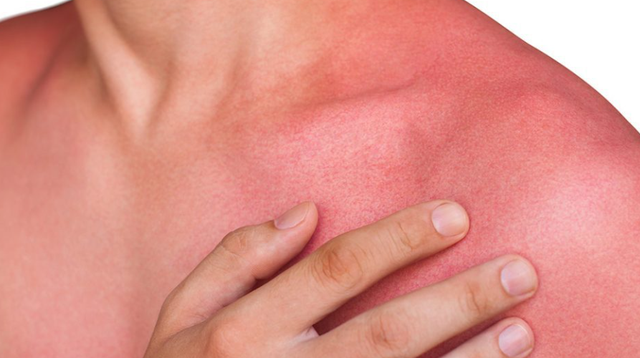
An immune reaction to the impact of sunlight on the skin is called sun allergy. When the skin is exposed to sunlight, rashes appear, which are usually accompanied by severe itching. The most sensitive category of people are middle-aged women, almost 10 times more than men.
Apart from middle-aged women, this phenomenon more often affects people with lighter skin and lighter eyes. Also, people with autoimmune diseases and those with kidney problems are more at risk. Those who take antibiotics or analgesics are also at risk.
Symptoms
The first symptoms can appear a few hours after exposing the skin to the sun. They most often appear on the neck, chest, arms and legs. In addition, vomiting and headache may occur. One of the signs of sun allergy can be water blisters that can spread to those parts of the skin that were not directly exposed to sunlight. Skin blisters can also be a reaction to sea salt.
PROTECTION
Any exposure to strong sunlight can cause an allergic reaction in people who have a predisposition to it. Therefore, it is recommended not to go outside if the sun is very strong. Don't leave the house without sunglasses, hats and sunscreen. Before applying the cream, it is recommended to take a shower.
Treatment
If the allergy is extremely strong, it is recommended to use sun protection products that are intended for children. It is also recommended to apply products that calm inflammatory processes on the skin. You can reduce itching by taking a cold shower. If it is a mild allergy, it is recommended to avoid sunlight for a few days. /abcnews.al
Happening now...
















ideas

Renaissance is Disaster Capitalism
Nga Klodian Tomorri

Pse tifozeria e Kosovës ishte aq e vdekur dhe mungonin simbolet kuqezi?
Nga Kreshnik Spahiu

top



Alfa recipes



TRENDING 




services
- POLICE129
- STREET POLICE126
- AMBULANCE112
- FIREFIGHTER128