


FLASH NEWS
The impact of the time change and tips for adapting

2025-03-30 15:52:30 / JETË
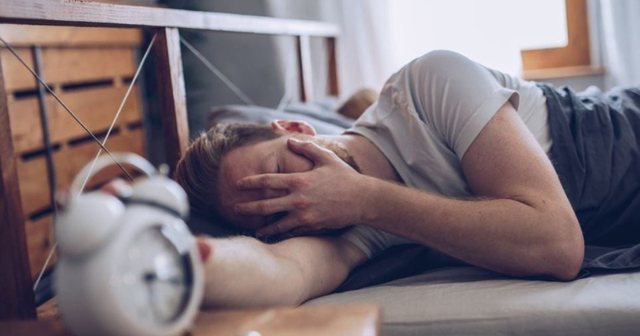
Today marks the last Sunday of March, which means that the clocks are moved forward one hour, moving from 02:00 to 03:00 in the morning.
This time change, which occurs every year, has several consequences for our health and can cause difficulties in adapting to the new rhythm of life.
Experts point out that even this small change can affect our well-being, causing physical fatigue and a general feeling of discomfort.
This process is similar to the physical fatigue we may experience after a long air trip, where the body must adapt to a new time zone.
According to psychiatrist John Sharp, a Harvard University expert, problems such as increased appetite, difficulty sleeping, or excessive sleepiness may occur.
This change also affects our capacity to concentrate and increases stress, which can lead to an increase in the number of road accidents, especially in the days following the time change.
Tips for sleeping well after the time change:
– Fresh air: Try to stay in the fresh air every day for at least 30 minutes, as this helps the body adapt to the natural rhythms of day and night.
– Healthy diet: Nutrition plays an important role. Consume foods rich in simple sugars and sleep-promoting foods, such as bananas, figs, and foods rich in calcium.
– Preparing for sleep: Start preparing for sleep around 10 p.m. Turn off the lights, eliminate noise, and try to avoid busy activities.
– A peaceful sleep environment: Make sure your bedroom is clean and clutter-free. The mattress should not be too firm or too soft to support your back.
If you have trouble sleeping:
– Move out of bed: If you've been awake for more than 20 minutes, get up and move to another environment, doing something that calms you, like reading or writing.
– Do yoga: Simple exercises like yoga help with relaxation. Lie on your back and try to calm your body and mind.
– Exercise during the day: Moderate exercise, such as walking, helps improve sleep quality, so make sure to walk for about 30 minutes several times a week.
After a few days of adaptation, the body will return to normal, but during this period it is important to take care of your health and maintain your usual pace of activities.
Happening now...
















83 mandates are not immunity for Rama's friends
Nga Gentian Gaba
ideas

Teatri që fsheh prapaskenën
Nga Patrik Sadikaj

Berisha's red line and the black line of democracy in the DP
Besmir Semanaj

top



Alfa recipes




TRENDING 




services
- POLICE129
- STREET POLICE126
- AMBULANCE112
- FIREFIGHTER128