


FLASH NEWS
How the Code of Hammurabi has influenced modern legal systems

2025-04-09 22:29:49 / MISTERE&KURIOZITETE
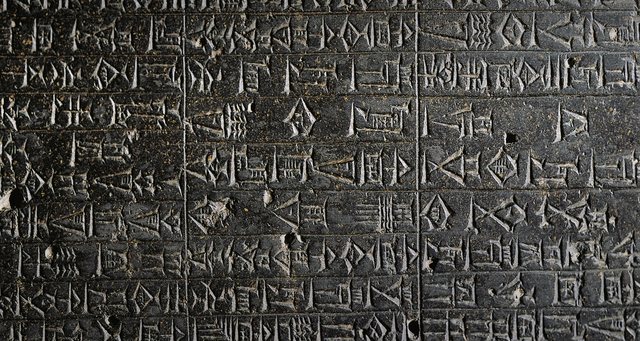
It has been nearly 3,800 years since Hammurabi extended his rule across ancient Mesopotamia, a region that lay between the Tigris and Euphrates rivers and that today includes Iraq as well as parts of Kuwait, Turkey, and Syria. But the Babylonian king has an influence that is still felt today.
This is due to the Code of Hammurabi , a collection of 282 laws and regulations written in cuneiform script on the surface of a stone monument over 2 meters high, which was discovered by the French scholar Jacques de Morgan in 1901, and which is today part of the collection of the Louvre Museum in Paris.
Historians consider the Code of Hammurabi to be a surviving symbol of an ancient Mesopotamian system for resolving disputes, punishing crimes, and regulating business practices. It had an early influence on the development over many centuries of legal systems that still exist in today's societies.
“The code contains a well-preserved and detailed ancient record of law and order during the First Dynasty of Babylon,” says Kelly -Anna Diamond , assistant professor of history at Villanova University. Some of Hammurabi’s laws may seem harsh, even barbaric, today, she says . Selling stolen property and building a house with problems that collapsed were both crimes punishable by death.
Likewise, the punishment for a slave who denied his master's authority was to have one of his ears cut off. "But there are others that suggest care and responsibility for marginalized groups. For example, we see in the Code of Hammurabi what could be considered the earliest payment for food," she points out.
The Code also describes an ancient Mesopotamian legal system , with principles that are still applied by courts in the United States and many other countries around the world. For example, the Code stipulates that in order to find someone guilty of a crime, the necessary evidence must be gathered. “From this code comes the principle that someone is innocent until proven guilty,” Diamond points out .
Shtylla e Hamurabit përshkruan mbretin që merr në dorë ligjet nga Shamash, hyjnia mesopotiane e diellit, dhe që shërbeu edhe si gjykatës i Perëndive dhe njerëzve. Kjo histori e origjinës mund të ketë ndihmuar në promovimin e imazhit të Hamurabit si një sundimtar, fuqia e të cilit buron nga Perënditë. Por studiuesit thonë se në realitet, kodi i tij kishte evoluar nga praktikat e mëparshme. “Koleksioni më i hershëm i njohur i ligjeve, është ai i mbledhur nga Mbreti Ur–Nama 300 vjet përpara Hamurabit. Ai përmbante proporcionalisht më pak ndëshkime fizike dhe më shumë gjoba monetare sesa shohim në ligjet e Hamurabit”- shpjegon Amanda H.Podani, profesoreshë e historisë në Universiteti Politeknik Pomona në Kaliforni.
“Por në kohën e Hamurabit shumica e dënimeve ishin në fakt gjoba, pavarësisht se çfarë thoshin ligjet. Pra, ndoshta sistemi gjyqësor ka funksionuar në të njëjtën mënyrë gjatë atyre shekujve”- mendon ajo.
Po ashtu shtylla përshkruan Nanain që adhuron perënditë Osiris dhe Anubis, hyjninë e vdekur që mban çelësin e jetës. “Kodi i Hamurabit ndryshon nga kodet e mëparshme të Mesopotamisë pasi është më i detajuar, dhe na ka dhënë më shumë njohuri mbi ligjet dhe rregullat e kohës, strukturën shoqërore dhe mënyrën se si ligjet zbatoheshin për grupe të ndryshme njerëzish”- thotë Daun Mekormak, dekan i Kolegjit të Studimeve Pasuniversitare në Universitetin Shtetëror të Tenesit, SHBA, i specializuar mbi historinë e Egjiptit dhe Lindjes së Mesme.
“Teksa popullsia u diversifikua, kodet u përshtatën në përputhje me rrethanat e reja”- thekson ai. Por se sa rëndësi praktike kishte Kodi i Hamurabit në kohën e tij kjo është ende e paqartë. Siç e theksojnë historianët, ai nuk është një koleksion i plotë ligjesh.
Edhe pse kodi përmban rregullore të hollësishme mbi çështje që variojnë nga pagesa e mjekëve për vendosjen në vend të kockave të thyera dhe deri tek kostoja e marrjes me qira të një kau për shirjen e grurit, ka ndërkohë edhe boshllëqe të dukshme, si mungesa e një ligji bazë kundër vrasjes.
“ Hammurabi made no attempt to cover all possible violations,” Podani says . Although Hammurabi did a great job of carving his laws into a stone monument, Podani believes that the surviving records of the Mesopotamian court do not indicate that judges consulted the king’s code to make their decisions.
Hammurabi ’s code of laws was promulgated near the end of his 43-year reign. So more than just his current governance, the king may have thought more about how he would be remembered by future generations. “The evidence shows that Hammurabi took great care to be seen as a just king, both for the time he ruled and in the future,” says Podani .
Diamond shares the same opinion : “There is little doubt that Hammurabi wanted to be perceived as a just ruler who protected his citizens, in addition to being a substitute for the gods on earth, a war leader, a builder, and a supreme judge.” The Code of Hammurabi can therefore be seen as a symbol of the existing Mesopotamian legal system of his time, whose innovations had a lasting impact.
" The Mesopotamians had a system that placed great importance on establishing the truth of a matter, through the use of witnesses, oral testimony, and written evidence, and by forcing individuals to swear that they were telling the truth," Podani explains .
Oaths were particularly effective, due to the deep belief that the gods would severely punish them if they lied under oath. A panel of judges would hear a particular case, and scribes would often record the events that occurred during a trial. Records from the time show that the system was effective and reliable.
The Code is also important because it promoted the concept that justice should be fair and impartial. Through the codes, Hammurabi conveyed the message that he was a king who wanted to ensure that everyone – not just the rich and powerful, but also the poor – could receive justice, says Podani . It’s an idea that modern justice is still trying to implement, although it doesn’t always succeed./ SCAN


Happening now...
















83 mandates are not immunity for Rama's friends
Nga Gentian Gaba
ideas

Teatri që fsheh prapaskenën
Nga Patrik Sadikaj

Berisha's red line and the black line of democracy in the DP
Besmir Semanaj

top



Alfa recipes




TRENDING 




services
- POLICE129
- STREET POLICE126
- AMBULANCE112
- FIREFIGHTER128