


FLASH NEWS
Stunning Moon PHOTOS from Artemis, scientific or vacation photos?

2026-04-05 19:46:59 / TRENDING
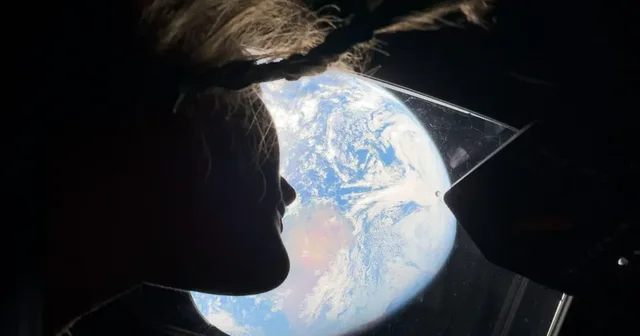
NASA is releasing a steady stream of stunning photos of the Moon and Earth, taken by astronauts on its Artemis II lunar mission.
Attracting millions of likes on social media, the images show the two bodies from unusual angles in glorious high definition.
There's no denying the drama: four astronauts are embarking on a mission that will take them further from Earth than any human has dared since 1972.
But do these images have unique scientific value, or are they simply equivalent to vacation photos?
NASA wants the American public to support the mission. They are live-streaming the 10-day journey, and the four astronauts are giving regular video updates, describing their progress in triumphant tones.
The crew was so excited to see the world and the Moon pass by, NASA said, that the window inside the Orion spacecraft became dirty and astronauts were sent instructions on how to clean it.
This is the first time that digital cameras have been taken this far into space.
Orion has 32 cameras and equipment - 15 mounted on the spacecraft and 17 hand-held by the crew.
According to NASA, astronauts are using standard 10-year-old cameras, including the Nikon D5, as well as GoPro cameras and smartphones.
NASA's photo stream on flickr even shows you the equipment used to take each of the published photos.
On Friday we saw the first results of their intensive observations.
"Hello, World," Commander Reid Wiseman said when the mission was approximately equidistant from the Moon and Earth - 228,500 km from Earth and 132,000 miles from the Moon.
Our planet appears upside down, with the Sahara Desert and the Iberian Peninsula visible on the left and the eastern part of South America on the right.
It's a beautiful photograph, but nothing new when it comes to science.
In fact, NASA has a satellite with its Deep Space Climate Observatory with a camera called the Earth Polychromatic Imaging Camera (Epic). Launched in 2015, it frequently takes pictures of Earth from about a million miles away — much farther than Artemis II.
Then, on Saturday, NASA released another photo, with the slogan "history in the making."
It shows Orientale Basin, a large crater on the far side of the Moon, which has a thicker crust and many other impact craters.
It was released ahead of the lunar flyby on Monday, when the crew will fly around this mysterious far side, passing within 4,066 miles of the surface.
NASA said its image marked “the first time the entire basin has been seen with human eyes.” Even the Apollo astronauts did not see the entire Orientale Basin due to orbital conditions and its lighting.
NASA po thekson rëndësinë e syve të njeriut në vend të eksploruesve robotikë.
"Sytë dhe truri i njeriut janë shumë të ndjeshëm ndaj ndryshimeve delikate në ngjyrë, strukturë dhe karakteristika të tjera sipërfaqësore", thotë ai.
Ai thotë se kjo mund të "zbulojë zbulime të reja dhe një vlerësim më të nuancuar për tiparet në sipërfaqen e Hënës".
I kërkova mendimin e Chris Lintott, Profesor i Astrofizikës në Universitetin e Oksfordit dhe bashkë-prezantues i serialit të BBC-së “The Sky at Night”.
"Vlera e imazheve që vijnë nga Artemis dhe ekuipazhi i saj është artistike, jo shkencore", tha ai.
Ai shpjegoi se që nga programi Apollo në vitet 1960 dhe 1970, eksploruesit robotikë kanë hartuar anën tjetër të Hënës.
Në vitin 2023, India dërgoi sondën Chandrayaan-3 dhe kapi imazhe të detajuara të të njëjtit terren.
Dhe në vitin 2024, misioni kinez Chang'e-6 mblodhi mostrat që nuk janë parë ndonjëherë nga ana e largët. Kjo ndodhi pas uljes së sondës së parë në rajon nga Kina, në vitin 2019.
"Nëse nuk ndodh diçka shumë e pazakontë, astronautët [e Artemis] nuk do të kenë asgjë për të zbuluar", thotë Lintott.
"Ekziston mundësia që ata të shohin një shkëndijë impakti nëse një meteor godet anën e errët, por do të duhej të ishte një meteor mjaft i madh", tha ai.
"Për shkencën, do t'u duhej të bënin një numërim sistematik, më mirë të bëhej me një kamera video, jo duke shikuar nga dritarja", shpjegoi ai.
"Imazhet që kemi tashmë janë të bukura, mahnitëse dhe ikonike - të shkrepura nga astronautët, jo nga robotët. Ky është një udhëtim eksplorimi, jo shkencë hënore dhe kjo është në rregull!" tha ai.
Kur publikon këto imazhe, NASA po thekson rëndësinë shkencore të këtij misioni, por si gazetarë, na kërkohet të shqyrtojmë të gjitha faktet rreth një historie.
Amerika është e përfshirë në një garë hapësinore me kombe të tjera - veçanërisht Kinën, me të dyja kombet që konkurrojnë për të qenë të parat që do të dërgojnë njerëzit në Hënë. Një mision i suksesshëm Artemis II do të sinjalizonte se SHBA-të kanë marrë një epërsi vendimtare, për momentin.
Dhe ky është një moment i madh për NASA-n që të shkëlqejë në sytë e Presidentit Donald Trump, i cili ka shkurtuar fondet e shumë institucioneve shkencore.
Agjencia është gjithashtu nën presion për të vërtetuar vlerën e saj në një kohë kur operatorët privatë si SpaceX po e ngrenë standardin.
Shkenca drejtohet nga hetimi dhe provat, por ajo nuk është kurrë imune ndaj politikës.
Në vitin 1968, astronauti Bill Anders bëri histori kur bëri fotografinë tani të famshme "Ngritja e Tokës".
E fotografuar nga afër sipërfaqes hënore, ajo tregoi planetin tonë duke u ngritur në distancë.
Kjo e bëri Tokën të dukej e cenueshme, dhe në një kohë përçarjeje dhe tensioni global gjatë 'Luftës së Ftohtë', u kujtoi shumë shikuesve se ne ndajmë këtë planet të vetëm.
It also demonstrated how a powerful image can make history, and NASA hopes Artemis II will provide a moment with comparable resonance.
In the meantime, let's enjoy the astronauts' journey and their beautiful photos.
Happening now...














ideas

When cardboard and arrogance become law.
Nga Gjergji Nika

Renaissance is Disaster Capitalism
Nga Klodian Tomorri

Pse tifozeria e Kosovës ishte aq e vdekur dhe mungonin simbolet kuqezi?
Nga Kreshnik Spahiu
top


Alfa recipes



TRENDING 



services
- POLICE129
- STREET POLICE126
- AMBULANCE112
- FIREFIGHTER128