


FLASH NEWS
From 1912 to 1997, what were the historical events that determined the future of Albania

2023-12-10 19:31:25 / AKTUALITET
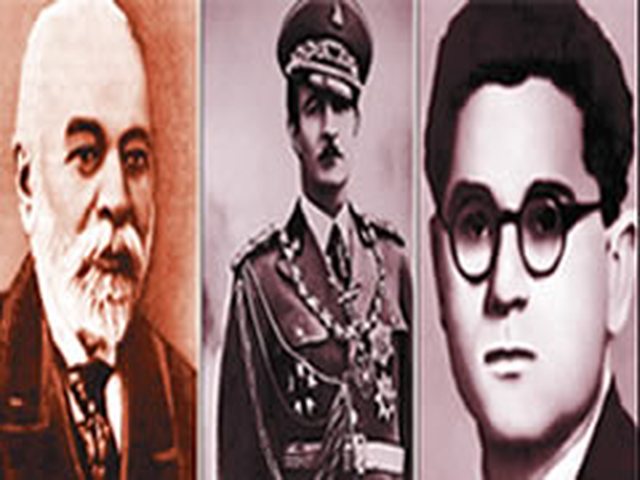
History and many events come to mind as we remember certain dates associated with important events.
For those who are curious about history, below we have listed some important dates and years for Albania from 1912 until today.
These years and dates related to the state, politics and the event that most influenced the formation of the Albanian state.
November 28, 1912, Flag Day
On November 28, all Albanians, in their lands and wherever they live and work around the world, celebrate with pride and emotion, the Day of the Declaration of Albania's Independence from the Ottoman Turkish Empire.
On November 28, 1443, the great Gjergj Kastrioti Skënderbeu, whose 550th death anniversary is celebrated this year, raised the national flag in the Kruja fortress.
Meanwhile, on November 28, 1912, Ismail Qemali raised the national flag in Vlora and proclaimed the independence of Albania. This day marks the independence of the Albanian nation.
The independence of Albania from the Turkish empire, unfortunately not of all the Albanian territories, therefore, was prepared with years and years of uprisings, which started in different Arbënore years from Malësia e Mbishkodra, Mirdita and other places, to later include all Albania at that time. It took the beginning of the First World War and the destruction of the empire of the Young Turks, for the Albanians to crown the dream of years for a "free, free and non-dependent" Albania.
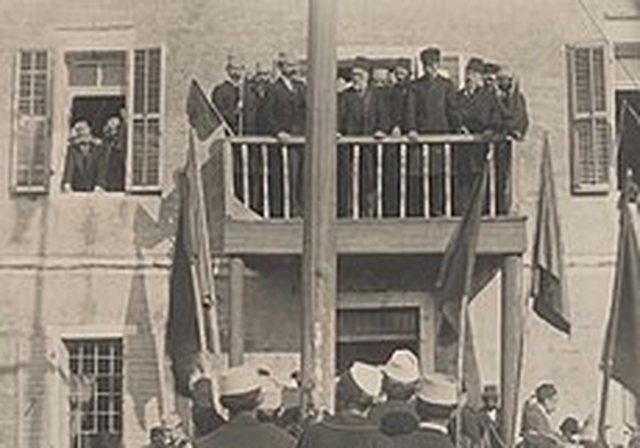
March 7, 1914, the arrival of Prince Vid in Durrës
Prince Vilhelm Vidi arrived in Durrës on March 7, 1914 at 3 p.m. The patriotic circles as well as other supporters of Vidi from among the feudal lords enthusiastically welcomed his arrival in Albania, with the belief that he would realize their national and social aspirations. For the capital of Albania, Prince Vidi chose exactly Durrës, where Esat Pasha Toptani had a strong influence. Esat Pasha, in order to secure an important position in Prince Vid's governing cabinet, officially declared that he welcomed his appointment as Prince of Albania, but secretly continued all the time to promote the movement for a Muslim prince in the country. On March 17 Vidi formed the new Albanian government, headed by Turhan Pasha Përmet, a veteran diplomat who had been ambassador of the Ottoman Empire for 25 consecutive years in Petersburg, Russia. His government cabinet consisted of: 1. Esat Pashë Toptani - Minister of War and Internal Affairs; 2. Aziz Pashë Vrioni - Minister of Agriculture and Trade; 3. Myfit bey Libohova - Minister of Justice and Cult; 4. Dr. Mehdi bey Frashëri - Minister of Finance; 5. Hasan Bey Prishtina-Minister of Posts and Telegraphs; 6. Dr. Mihal Turtulli - Minister of Education; 7. Prenk Bib Doda-Minister for World Affairs.

Kongresi i Durrësit u mbajt nga 25 deri më 27 dhjetor 1918
Kongresi i Durrësit u mbajt nga 25 deri më 27 dhjetor 1918 në qytetin bregdetar të Durrësit.
Përpjekjet për formimin e një qeverie kishin nisur me fillimin e Luftës së Parë Botërore, pas largimit nga Shqipëria të Princ Vidit dhe qeverisë së tij.
Kongresi i Lushnjes i zhvilloi punimet nga 21-31 janar të vitit 1920,
Kongresi i Lushnjes ose zyrtarisht Mbledhja Kombiare Lushje i zhvilloi punimet nga 21-31 janar të vitit 1920, në të cilin u miratua një akt kushtetues për pavarësinë e plotë të Shqipërisë si dhe zgjodhi këshillin e lartë prej 4 vetash ne krye ishte Aqif Tapalloi, që do të kryente funksionet e kryetarit të shtetit dhe një këshill kombëtar me 37 veta. Kryeministër u zgjodh Sulejman Delvina.
Pas kësaj mbledhje, atë pasdreke të 31 janarit të vitit 1920-të, kongresi u dha fund punimeve të tij, duke vendosur Tiranën, për kryeqytet të Shqipërisë.
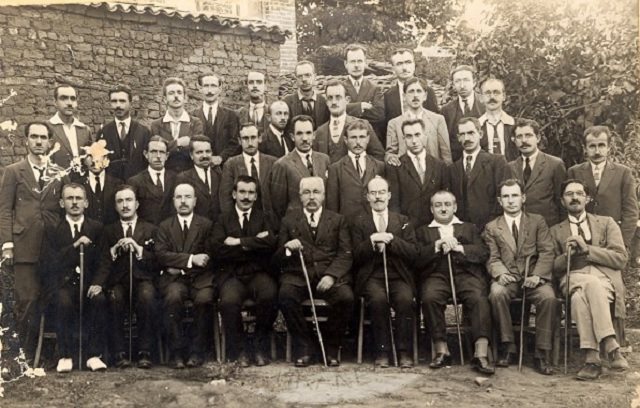
Lëvizja e qershorit 1924
Lëvizja e qershorit 1924 ishte reagimi politik i opozitës parlamentare shqiptare, pasuesve dhe intelektualëve që gjeti shkak tek vrasja e Avni Rustemit
Emërtimi "Revolucioni Demokratiko-borgjez i Qershorit" i përdorur gjerësisht nga historiografia komuniste, pas viteve '90 u emërtua "Revolucioni i Qershorit".[2] Duke ruajtur termin revolucion, i rrihej synimit për të evokuar për historiografinë e politizuar komuniste, e po ashtu post-komuniste, një precedent historik analog me Revolucioni i tetorit sipas shembullit rus. Pjesëmarrësit i kanë radhitur kujtimet e tyre në zhanrin e memuaristikës, dhe Ali Këlcyra dhe Sejfi Vllamasi e quajnë thjesht Lëvizja e qershorit. Ky revolucion solli Fan Nolin në pushtet.
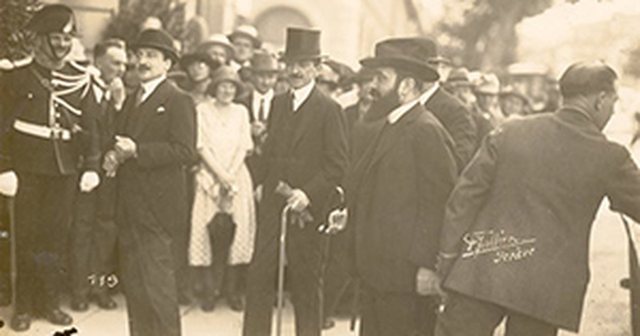
Shtator, 1928 Shqipëria shpallet mbretëri
Mbretnija Shqiptare, Shqipja standarde e tanishme : Mbretëria Shqiptare) në vitin 1928 Kryetari i Republikës Shqiptare Ahmet Zogu u shpall nga parlamenti Zog I, Mbret i Shqiptareve, Skënderbeu III. Ai ndryshoi mbiemrin nga Zogolli në Zogu. Nëna e tij Sadije Toptani u shpall Nëna Mbretëreshë, kurse familjaret e tjerë morën titujt Princër dhe Princesha. Mbretëria u shpall mbretëri kushtetuese, parlamentare dhe e trashëgueshme.
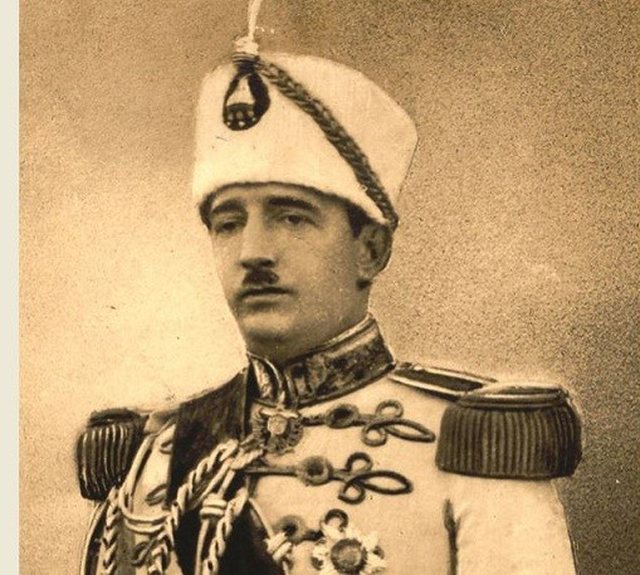
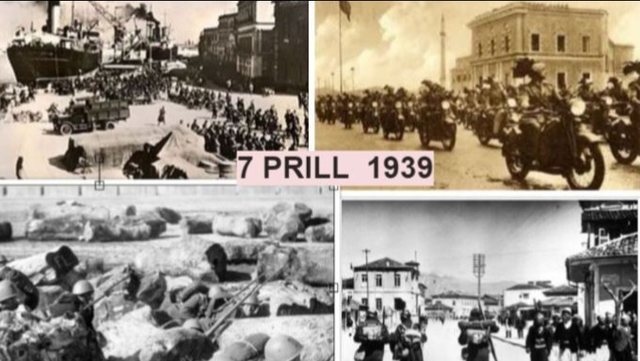
Pushtimi italian i Shqipërisë (7–12 prill 1939)
Pushtimi italian i Shqipërisë (7–12 prill 1939) ishte një fushatë e shkurtër ushtarake e Mbretërisë së Italisë kundër Mbretërisë së Shqipërisë. Konflikti erdhi si rezultat i politikës imperialiste të diktatorit italian Benito Mussolini. Shqipëria u pushtua në mënyrë të shpejtë. Sundimtari i saj, Mbreti Zogu I u detyrua të largohej në Greqi dhe vendi u bë pjesë e Mbretërisë Italiane si një protektorat në bashkim personal me Kurorën Italiane.
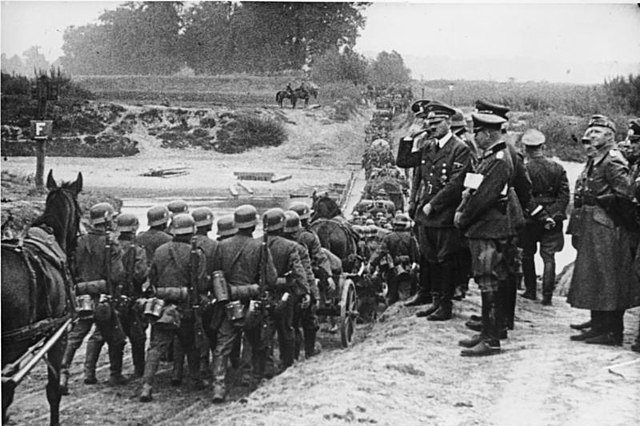
Pushtimin gjerman midis viteve 1943 dhe 1944.
Para armëpushimit midis Italisë dhe forcave aleate më 8 shtator 1943, Shqipëria kishte qenë në një bashkim de jure me Mbretërinë së Italisë. Pas armëpushimit dhe daljes së Italisë nga Boshti, forcat ushtarake gjermane hynë në Shqipëri, duke e futur në sferën e saj të ndikimit.
The Germans planned to build an independent neutral Albania controlled by a government friendly to the Germans.
From 1944 to 1946, the state of Albania was known as the Democratic Government of Albania and from 1946 to 1976 it was called the People's Republic of Albania.
November 1944, the installation of the dictatorship in Albania
During this period, the country was led by Enver Hoxha and the Labor Party of Albania. They ruled Albania by establishing a Stalinist style of state administration and adhering to policies that emphasized national unity and reliance on domestic production. Travel and visa restrictions made Albania one of the most difficult countries to visit or travel to. In 1967, Albania was declared the first atheist country in the world.

Years 1990-1991, the fall of communism
The fall of communism in Albania began in December 1990 with anti-communist student demonstrations.
The dictatorial regime of Enver Hoxha ended in 1985, with his death. The successor Ramiz Alia followed the same autocratic governing plan except for some slight modernizations.
In 1989, the first civil revolts began in Shkodër, where people began to destroy the statue of Joseph Stalin. Protests followed in other cities.

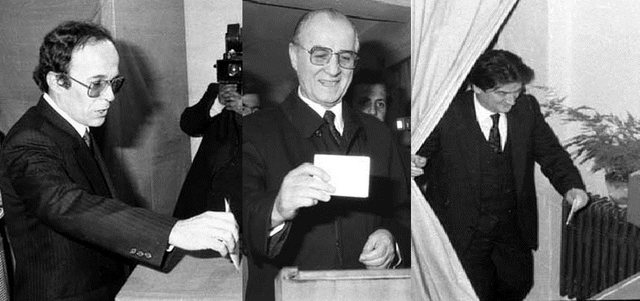
March 31, 1991, the first pluralist elections
Those elections entered the history of the country as the first step in the process of democratization of life in the country and the opening of Albania to the world after the 50-year communist self-isolation. In order to give it a more "democratic" appearance, but also to benefit from the system, apart from the genuine opposition entities, the government of the time made sure that in these elections, in addition to the ALP, the "belts" also participated as separate entities. of transmission", such as: Professional Unions, Democratic Front, Organization of Communist Women and Youth, Organization of Veterans.
The riots of 1997
The 1997 rebellion, also known as the Pyramid Crisis, Anarchy in Albania, Civil War, was an anti-government movement that began on January 24 in Lushnje and ended on July 24, 1997, after the resignation of Sali Berisha as President of the country. The cause of the rebellion was the bankruptcy of the pyramid schemes, which took away about $1.2 billion of Albanian savings.
The opposition managed to take advantage of the difficult situation and channeled the protests into political channels, demanding the resignation of the government and President Berisha. Incompetence and desertion in the ranks of the army caused the country to fall into the hands of Public Rescue Committees and armed gangs, especially the southern part. The absolute center of the rebellion was Vlora.
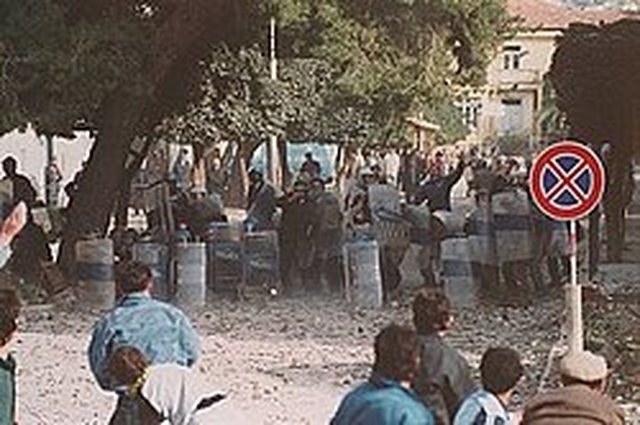
Article from Alfapress.al


Happening now...



ideas
The beautiful cry of protest against the Rama-Berisha establishment
Nga Mirela Karabina
An Albania WITHOUT RAMA, WITHOUT BERISHA!
Nga Taulanda Jupi
top
Alfa recipes

TRENDING 



services
- POLICE129
- STREET POLICE126
- AMBULANCE112
- FIREFIGHTER128