


FLASH NEWS
The Berlin Wall/ Why was it created? Political Significance and the Great Divide, Facts and Reunification in 1989

2024-11-09 23:12:43 / BOTA
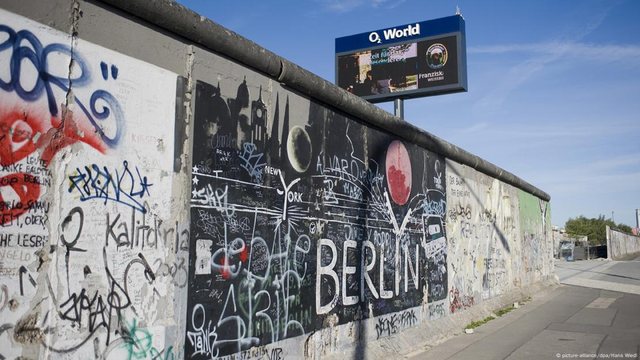
November 9 marks this year the 35th anniversary of the fall of the Berlin Wall in Germany. On this important date, the world remembers the event that changed history and paved the way for the reunification of Germany after 41 years of separation.
Union that took place on October 3, 1990, one year after the fall of the Wall that divided Germany into two parts.
The West-East conflict ended. November 9, 1989 marks a day of particular importance for the history of Germany and Europe. "Unbelievable" was the word heard most often that night, when the borders were suddenly opened to the citizens of East Germany. In fact, months ago there were demonstrations against the totalitarian regime of the GDR state. Thousands of people had entered the embassy of West Germany and several other countries seeking political asylum. The first crack in the Berlin Wall brought about the complete collapse of the sick system.
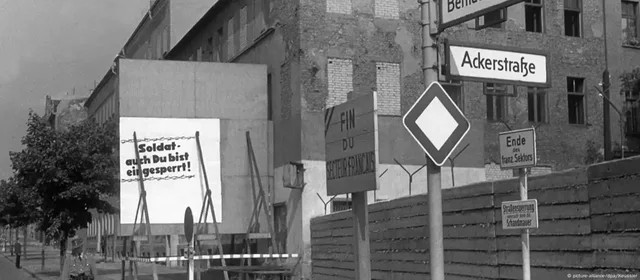
But how, when and why was the Berlin Wall created?!
At the end of World War II, Germany was divided into four military zones: French, British, American, and Soviet. The city of Berlin also had this fate. Of course, under the hoof of the Soviets, from 1945 to 1961, some three million people left East Germany for the free West, certain that they would find a better life.
The sick mind of the communists invented the construction of a wall to stop the East Germans from leaving, thus becoming a symbol of their lack of freedom.
Shortly after midnight on August 13, 1961, the government ordered more than 40,000 East German soldiers and policemen to barricade the entire border with barbed wire, leaving only 13 crossing points into West Berlin.
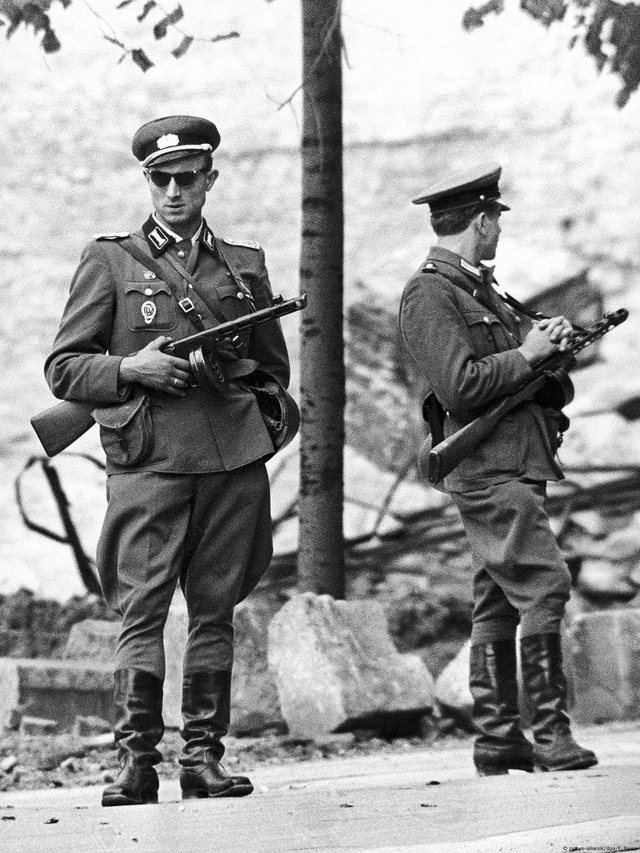
10,000 kilometers of wire were laid around the 155 kilometer perimeter of West Berlin.
The construction of the wall was completed on August 24, 1962. The wall was reinforced from time to time and by 1989 it was a cul-de-sac with 45,000 concrete blocks, 259 border dogs and 302 observation towers.
Although the wall was built, 5,000 people managed to escape to West Germany, but around 300 people were killed trying to make a better life for themselves and their families.
The fall of the Berlin Wall
In January 1989, democratic revolutions began in Poland and Hungary. After only two months, in March 1989, the Polish communist government and the Hungarian communist government surrendered, leaving the country to democratic governments.
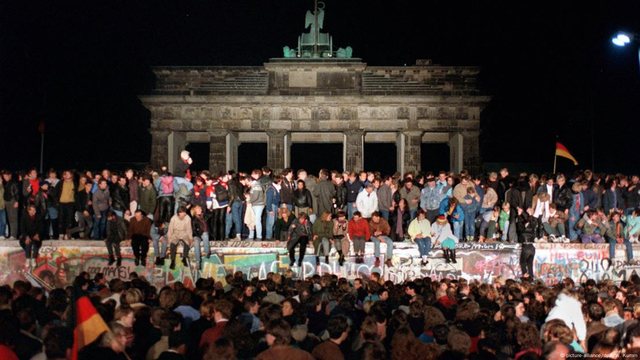
Even in East Germany, the residents wanted to end the 51-year communist rule. Spurred on by revolutions in countries close to them, they began mass protests in May 1989 until, on November 9, 1989, the East German government announced that their residents could visit West Germany. This news was met with great celebration on both sides, and 170,000 East Germans crossed the wall within 24 hours of the news.
In 1990, euphoric and patriotic people began to break the wall with stones and other circumstantial means. The West German government provided the residents with excavators and bulldozers to quickly finish the demolition of this infamous wall.
Although the wall was torn down, East Germany did not officially join West Germany on October 3, 1990, which is also Germany's national holiday, after the country remained separated for 51 years.
Facts about the Berlin Wall
The total length of the wall around West Berlin was 156.4 kilometers. Of these 43.7 kilometers, it was the border line that separated the east and west of the city.
The Berlin Wall was part of a much larger border. The German internal border was actually 1,400 kilometers long.
The Berlin Wall cut between 12 metro lines, railways, and 193 road segments.
Each of the concrete sections of the Berlin Wall was 3.6 meters high, and weighed 2.75 tons.
186 observation towers were placed along the wall. It was guarded by 11,500 East German soldiers, who used 484 border dogs.
5,075 Germans from East Berlin successfully escaped to the western part, crossing the wall or breaching it.
Another 100,000 Germans fled the rest of East Germany.
The Federal Republic of Germany (West Germany), purchased many political prisoners imprisoned in the prisons of the German Democratic Republic (East Germany).
574 East German soldiers tasked with guarding the wall defected to West Berlin on their own.
Border guards fired a total of 1,709 times during escape attempts. They killed more than 100 people and injured 200 others.
During the years of the wall's existence, in separate sections there were 37 attempts to demolish it with dynamite.
The first victim was Ida Sikman. On August 22, 1961, 9 days after the construction of the wall began, she tried to jump from her apartment in Bernauer Strasse to cross into West Berlin, but fell badly, and died of her injuries.
The latest victim was Vinfried Fraudenberg. The electrical engineer died while trying to escape on March 8, 1989, in a hot air balloon. Shortly after successfully crossing the wall, the balloon crashed violently to the ground in West Berlin. Fraudenberg was mortally wounded.
On April 3, 1989, the communist authorities canceled the order to shoot those who tried to escape.
On December 22, 1989, border troops officially opened the border crossing at the Brandenburg Gate. /Alfapress.al

Happening now...











ideas

When cardboard and arrogance become law.
Nga Gjergji Nika

Renaissance is Disaster Capitalism
Nga Klodian Tomorri

Pse tifozeria e Kosovës ishte aq e vdekur dhe mungonin simbolet kuqezi?
Nga Kreshnik Spahiu
top

Alfa recipes



TRENDING 




services
- POLICE129
- STREET POLICE126
- AMBULANCE112
- FIREFIGHTER128