


FLASH NEWS
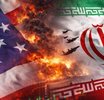
From massive progress to sudden halt to negotiations – Where do Middle East peace talks stand after suspension by Tehran

2026-06-01 17:52:20 / BOTA
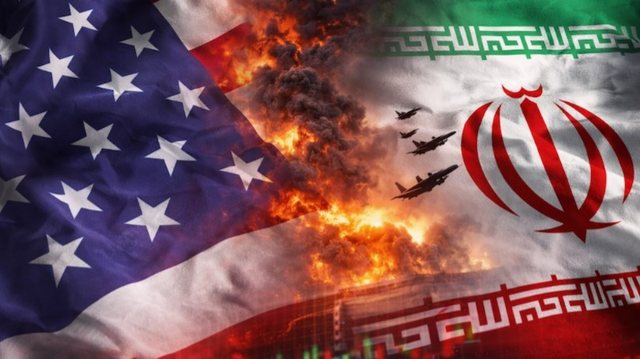
Before Iran's announcement that it would hold US-brokered peace talks, Washington and Tehran appeared to have made progress toward a preliminary agreement.
A reported agreement would have resolved several issues (reopening the Strait of Hormuz and ending the US blockade, while implementing a 60-day extension of the ceasefire), while giving the parties more time to discuss tougher issues, such as Iran's nuclear program and US sanctions.
According to reports, the deal simply did not receive Donald Trump's approval.
US Vice President JD Vance, a key negotiator, said last week that a deal was "very close" but "not there yet".
The reported suspension of Iran's engagement in the talks would jeopardize this reported agreement.
According to Axios, the agreement included the following points:
Strait of Hormuz: Shipping through the key sea corridor will be “unrestricted” and Iran will not charge fees or harass ships. Iran will remove all mines from the key sea corridor within 30 days.
US naval blockade: The US will lift the blockade of Iranian ports in proportion to the restoration of commercial maritime transport, according to a US official.
Nuclear talks: Iran will pledge not to pursue a nuclear weapon. The two sides will negotiate how to eliminate Iran's highly enriched uranium and address its nuclear program. Critics say this — a key goal of the war according to Trump — simply pushes this difficult issue into the future.
Sanctions: The US pledges to discuss sanctions relief and the release of frozen Iranian assets. The two sides will discuss how Iran can begin receiving goods and humanitarian aid.
Happening now...









Sali Berisha's great isolation assembly
Nga Bato Kosova
ideas


top




TRENDING 




services
- POLICE129
- STREET POLICE126
- AMBULANCE112
- FIREFIGHTER128