


FLASH NEWS
About 90 ships passed the Strait of Hormuz, Tehran exports millions of barrels of oil

2026-03-18 09:10:06 / BOTA
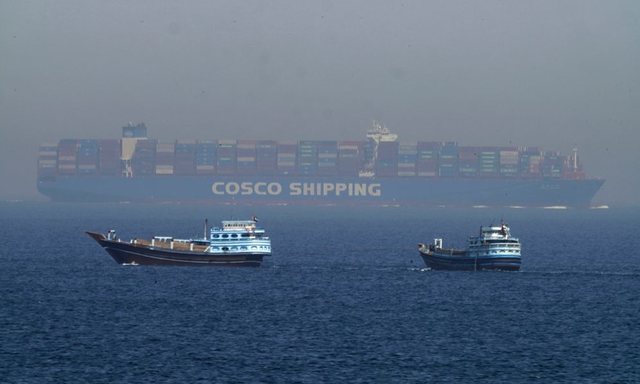
About 90 ships, including oil tankers, have passed through the Strait of Hormuz since the war began in March, despite the waterway being effectively closed to most international traffic. According to maritime data firm Lloyd's List Intelligence, many of these crossings have been made by so-called "dark transits" that evade Western surveillance and sanctions, often linked to Iran. At the same time, ships bound for India and Pakistan have passed through the strait after diplomatic interventions.
The Strait of Hormuz, a key artery that carries about a fifth of global oil, has seen a drastic drop in traffic since the conflict began, with just 89 ships passing between March 1 and 15, compared with 100–135 crossings per day before the war. At least 20 ships have been attacked in the area during that period.
However, Iran has managed to export over 16 million barrels of oil since the beginning of March, according to Kpler data. Analysts point out that exports have remained relatively stable, showing Tehran's ability to maintain supply flows even under pressure.
China remains the main buyer of Iranian oil, with several ships reportedly declaring Chinese ties to avoid the risk of attacks, reflecting the closer ties between the two countries. Recent cases point to coordinated passage through negotiations. Two Indian LPG ships passed through the strait after talks with Iran, while Pakistan confirmed the safe arrival of one of its tankers. According to experts, this suggests that Iran may have established a limited “safe corridor” where selected ships are allowed to pass, often close to the Iranian coast.
The tensions have had a significant impact on global markets, with oil prices rising above $100 a barrel, a rise of more than 40%. US President Donald Trump has called on allies to intervene to reopen the strait and stabilize the market. Meanwhile, the US has signaled flexibility by allowing some Iranian tankers to pass through, in an attempt to avert a deeper global energy crisis. Analysts warn that the situation remains volatile. While the selective passages show that the strait is not completely blocked, the restrictions imposed by Iran could be used as a tool of pressure to influence global energy prices and increase geopolitical influence. If tensions escalate further, any complete disruption of traffic at this strategic point could have serious consequences for the global economy.
Happening now...














ideas

Blaming Gaz Bardhi for the statutory changes
Nga Namir Lapardhaja

The Statute Review and Berisha's Sinking Boat
Nga Alesia Balliu
top






TRENDING 




services
- POLICE129
- STREET POLICE126
- AMBULANCE112
- FIREFIGHTER128