


FLASH NEWS
23% of the population lives on 681 lek per day, here's what they can afford

2026-05-07 08:30:20 / EKONOMI&SOCIALE
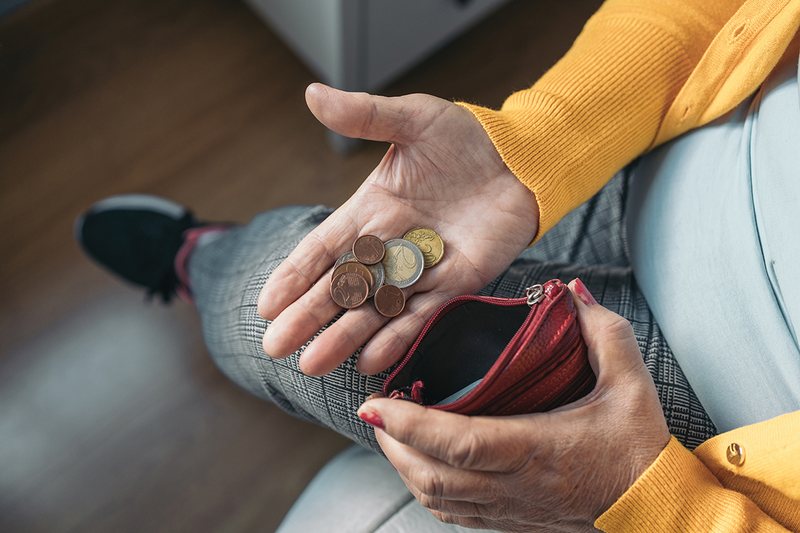
Last year, 23.4% of the Albanian population lived on $8.3 (681 lek per day at the lek to USD exchange rate), according to official World Bank data. The figures show that Albania had the highest poverty rate in the Region in 2025, along with Kosovo, and will continue to do so at least until the end of the decade.
A quarter of the country's population is out of consumption as the shopping basket with this amount is very limited to just survival. Educational and health services or rent at this income level are completely unaffordable.
The World Bank methodology estimates that about 60 percent of the amount of 681 lek, or about 400 lek, goes for daily food and the remaining 281 lek to cover all other expenses.
400 lek a day, what food does it buy?
With a budget of 400 lek per day for food, 23.4% of the population in Albania is forced to rely entirely on basic and very limited meat-free food basket products, as this amount is only sufficient for a modest diet. This level of spending requires a management that eliminates the opportunity to consume vital food basket products.
To stay within this limit of 400 lek, a person can buy a loaf of bread for about 100-120 lek, two eggs for about 50-60 lek, a glass of yogurt or milk for about 60-80 lek, half a kilo of potatoes or a few apples for about 50-70 lek. In addition, a portion of beans, rice or pasta can be bought for about 70-90 lek.
This budget does not allow room for products like beef or pork, as their cost exceeds daily possibilities. Likewise, expenses such as sweets, sodas, or coffee at the bar are impossible.
Another 281 lek for electricity and water
40 percent of the amount of 681 lek, a total of 281 lek, goes to cover electricity and water bills. Electricity and water for a minimum consumption are calculated at around 150 to 200 lek per day, and even though the state offers subsidies of around 648 lek per month for categories in need, the burden still remains high.
The situation is further complicated if the person has to travel for work or education, as public urban transport costs 80 lek per day for a round-trip ticket. This cost immediately puts the daily budget in the red, forcing the individual to choose between walking or further reducing their food intake. Meanwhile, basic hygiene products such as soap or toothpaste take up another 20 to 30 lek of this modest budget.
What 23% of the population cannot consume
The category that lives on 681 lek per day remains with critical needs completely uncovered. Rent in suburban areas, which costs around 1,075 lek per day, is unaffordable as it exceeds the entire daily budget. Likewise, purchasing medications or private medical visits are unaffordable without additional assistance. Education also remains a challenge, as university fees require drastic savings or additional employment. As for clothing, purchasing clothes or shoes occurs only through long-term savings or support from relatives abroad. This category also cannot afford vacations and eating out and participating in cultural activities./B.Hoxha, Monitor
Happening now...







Sali Llapa
Nga Bato Kosova
ideas


top
Alfa recipes








services
- POLICE129
- STREET POLICE126
- AMBULANCE112
- FIREFIGHTER128