


FLASH NEWS
Avni Rustemi, between historiographical deformation, popular memory and political narratives of the revision of history after the '90s

2025-04-28 08:44:17 / JETË
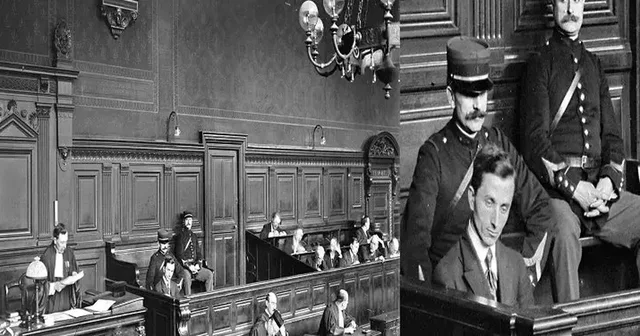
The French writer Anatole France, in his work The Crime of Sylvestre Bonnard, ironically notes that; “history, once an art that allowed all the fantasies of the imagination, has today become a science, in which one must proceed with a meticulous method.” This reflection, although literary and not methodological, expresses a common sensitivity in European thought of the time, on the need to treat history as a more rigorous and objective discipline.
These trends would later be articulated in a structured manner by the French Annales School, founded by Marc Bloch and Lucien Febvre, which emphasized social analysis, long-term structures, and interdisciplinary interrelationships in historiography.
In Albania, the impact of these approaches began to be felt only after the 1990s, when Albanian historiography broke away from dogmatic Marxist-Leninist models and began to open up to contemporary Western methodologies.
History as an ideological instrument: the case of Avni Rustemi
Before the 1990s, Albanian history often served as an ideological instrument, where the boundary between fact and myth was blurred. Anatole France’s concept of “fantasies of the imagination” reflected the historical reality of the period, where constructed histories could often be filled with mythifications and romanticisms of certain periods. The history depicted by the communist regime, in particular, was laden with Marxist-Leninist values and used it to consolidate the legitimacy of power.
This historiography tended to create the heroism of those who had collaborated with the regime and demonize opponents, a practice that often conflicted with the true picture of historical events and figures. After the 1990s, this rewriting process was accompanied by an attempt to reevaluate and rewrite historical figures, but not always objectively.
Often, the rewriting of history after communism has been an attempt to create a new narrative, but often with opposing ideological content. This process, however, has not always managed to achieve an in-depth and accurate approach. In this context, the figure of Avni Rustemi is a typical example of the distorted historiographical treatment in this period.
The figure of Avni Rustemi and the memories of Eqerem Bey Vlora
Një nga aspektet më të kontestuara të vlerësimit të figurës së Avni Rustemit, ka qenë përfaqësimi i tij në kujtimet e Eqerem Bej Vlorës. Këto kujtime, të botuara pas vitit 1990, e portretizojnë Rustemin si një “kriminel dhe karagjoz”, duke e shndërruar vrasjen e tij në një akt hakmarrjeje të lavdërueshme. Ky gjykim është një shembull tipik i rishkrimit të historisë në mënyrë të njëanshme dhe të pasaktë, që e zbeh imazhin e një figure të rëndësishme si Avni Rustemi, i cili ishte një aktivist demokratik dhe një nismëtar i përpjekjeve për reforma sociale.
Kujtimet e Vlorës, megjithëse ofrojnë një pamje të ndodhive të periudhës dhe janë një burim dytësor i vlefshëm, janë të mbushura me paragjykime dhe qëndrime politike të thella. Ato tentojnë të ndajnë shqiptarët në dy grupe të kundërta, “Esatistët” dhe “Zogistët”, duke e injoruar bashkëpunimin pragmatik mes këtyre dy fraksioneve në momentin e likuidimit të Rustemit. Ky trajtim historiografik, është një shembull i shpërfilljes së një qasjeje të thelluar dhe objektive, për t’i dhënë hapësirë narrativave politike të njëanshme.
Ndjeshmëria popullore ndaj Avni Rustemit dhe kthimi në atdhe
Pas lirimit nga gjykata franceze në dhjetor 1920, kthimi i Avni Rustemit në Shqipëri u prit me një entuziazëm të jashtëzakonshëm nga populli. Gazeta “Drita” e Gjirokastrës, e përshkruan këtë ngjarje me një ngarkesë emocionale dhe me një theks të qartë në përkrahjen popullore të tij. Populli shqiptar nuk e pa vetëm si një figurë të luftërave ideologjike, por si një protagonist të shpresës për një Shqipëri të modernizuar dhe të demokratizuar. Ky moment i kthimit nuk mund të kuptohet plotësisht pa pasur parasysh kontekstin e periudhës dhe lidhjet e ngushta që ai krijoi me grupet progresiste të kohës.
Avni Rustemi ishte një përfaqësues i një lëvizjeje demokratike që kërkonte të krijonte një shtet shqiptar më të drejtpërdrejtë dhe më të drejtë për qytetarët e tij. Aktivitetet e tij për organizimin e arsimtarëve, themelimin e shoqërisë “Bashkimi”, dhe përpjekjet për reforma në arsim dhe bujqësi, gjithashtu dëshmojnë për një angazhim të sinqertë për modernizimin e shoqërisë shqiptare. Ky dimension i figurës së tij duhet të merret parasysh për të kuptuar kontributin e tij në formimin e një Shqipërie të re.
Avni Rustemi dhe modernizimi shqiptar
Në periudhën 1921–1924, Rustemi ishte një nga figurat kryesore të një grupi të njohur si grupi i reformistëve, që përfshinte personalitete si Fan Noli, Luigj Gurakuqi, dhe Ali Këlcyra. Ky grup u angazhua për një platformë reformiste që synonte të shkëputej nga strukturat feudale dhe të avanconte reforma ekonomike, agrare, juridike dhe arsimore.
His efforts for a fair agrarian system, through the adoption of the “model contract”, and for the allocation of lands for Albanian settlers displaced from Kosovo and Chameria, were concrete steps towards the realization of reforms that would be important for the development of the Albanian state. In the cultural and educational fields, Avni Rustemi’s activity contributed to the establishment of national education and to the creation of a visible break from Ottoman influence, a key element for the emancipation of Albanian society.
The murder of Avni Rustemi and the political consequences
The assassination of Avni Rustemi on April 22, 1924, not only marked a defeat for the democratic movement, but also accelerated political change in Albania. It led to a wave of mass protests in cities such as Vlora, Gjirokastër, Shkodër, and Tirana, and served as a catalyst for the June 1924 Movement, which aimed to overthrow the old power structures and help establish a more democratic government in Albania.
The figure of Avni Rustemi is much more than a symbol of violence, or a protagonist in a strict ideological history. He represents a period of transition and a generation that saw Albania emancipated through political and social reforms. The review of history should not be done through the prism of class hatred or nostalgia for old regimes, but with a fair, critical approach and above all, with the aim of uncovering the truth./ Memorie.al
Happening now...




83 mandates are not immunity for Rama's friends
Nga Gentian Gaba
ideas



top



Alfa recipes




TRENDING 




services
- POLICE129
- STREET POLICE126
- AMBULANCE112
- FIREFIGHTER128