


FLASH NEWS
REL: No official discussion on the new government in Kosovo

2025-03-18 17:12:55 / KOSOVA
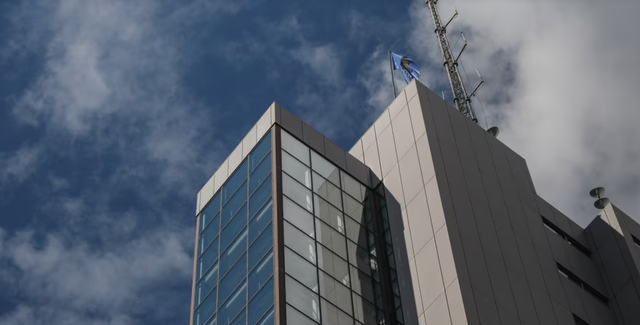
The post-election stalemate in Kosovo continues, with no official discussion of a new government. The opposition admits that informal talks are taking place behind the scenes, while the Vetëvendosje Movement insists it will govern alone.
Kosovo's political future remains uncertain, as parties hold back from entering into formal discussions on forming a new government, awaiting the certification of the results of the February 9 election.
Over the weekend, the Central Election Commission (CEC) confirmed the final results, which gave the Vetëvendosje Movement – currently in power – a lead of 42.30% of the vote.
However, without a full majority, the question remains: will she, or someone else, be able to govern?
To form a majority, Vetëvendosje needs to secure at least 61 deputies in Kosovo's 120-seat Assembly. With the confirmed results, it has 48.
"Once [the election results] are certified, we will be able to know how we will reach 61 [MPs] – even with the declaration of non-Serb and non-Albanian parties, meaning other minorities," Mimoza Kusari-Lila, head of the Vetëvendosje Movement parliamentary group, tells Radio Free Europe.
She adds that, so far, there has been no consultation with other political parties on the formation of the parliamentary majority and, consequently, the new government.
The certification of the election results will take place only after the procedures regarding the complaints submitted by political entities – competing in the elections – to the Electoral Complaints and Appeals Panel (ECAP) are completed.
This panel already has several complaints from the Vetevendosje Movement, the Democratic Party of Kosovo, as well as the coalition of the Democratic Party of Ashkali of Kosovo and the Movement for Cooperation (PDAK-LPB).
Their processing requires six days from the ECAP and possibly another six days from the Supreme Court, if the complaints are sent there.
Most of the complaints relate to postal voting, and some of them request its cancellation and rerun.
Opposition parties in informal consultations
The Democratic Party of Kosovo, which came second in the elections with 20.95 percent of the vote, did not respond to Radio Free Europe's questions about possible consultations on the formation of a new government.
The Democratic League of Kosovo, which won 18.27 percent of the vote, say they are awaiting the certification of the election results by the CEC, in order to initiate any consultations for this purpose.
Besian Mustafa, from this party, says that initially it is up to the party with the most votes – in this case the Vetëvendosje Movement – to elect the Speaker of the Parliament, in order to constitute the composition of this institution, and then attempt to form the new government.
“Deri më tash, LDK-ja nuk është kontaktuar nga Lëvizja Vetëvendosje për këtë çështje”, thotë Mustafa për Radion Evropa e Lirë.
Në rast se Lëvizja Vetëvendosje nuk arrin ta formojë qeverinë e re, sipas tij, pritet që mandati për formimin e ekzekutivit të kalojë te partitë opozitare.
Por, edhe në këtë kontekst, shton Mustafa, nuk ka pasur konsulta zyrtare me partitë opozitare, porse janë zhvilluar vetëm takime joformale.
“Komunikime në mes partive mund të ketë dhe kjo është gjë normale. Zyrtarisht, takime për të diskutuar për formimin e qeverisë nuk kemi pasur… Vetëm pas certifikimit të rezultateve”, thotë Mustafa për Radion Evropa e Lirë.
Pas një mbledhjeje të kryesisë më 10 mars, LDK-ja tha se pozicioni i saj është i qartë: “nuk bashkëpunon me partinë në pushtet [LVV]”.
Por, edhe në rast të ndonjë koalicioni paszgjedhor të partive opozitare, LDK-ja tha se nuk do të ishte pjesë e ndonjë zgjidhjeje, ku nuk do të udhëhiqte qeverinë.
Nga Aleanca për Ardhmërinë e Kosovës, e cila është në koalicion me Nismën Socialdemokrate dhe në zgjedhje fitoi 7.06 për qind të votave, thonë se nuk do të konsultoheshin fare me Lëvizjen Vetëvendosje për formimin e qeverisë së re.
Bekë Berisha, nga kjo parti, thotë se, aktualisht, ka konsultime joformale mes partive opozitare.
“Nëse qeveria aktuale nuk mund t’i bëjë numrat, atëherë topi është te opozita”, thekson Berisha për Radion Evropa e Lirë.
Nisma nuk iu përgjigj kërkesës së REL-it për komente, por kryetari i saj, Fatmir Limaj, ka thënë më herët se nuk ka “vija të kuqe” sa u përket koalicioneve të mundshme, qoftë me Vetëvendosjen apo partitë tjera opozitare.
“Partitë po e humbin kohën”
Sociologu dhe analisti politik nga Prishtina, Artan Muhaxhiri, thotë se rezultatet që kanë dalë nga zgjedhjet e 9 shkurtit, nuk ia mundësojnë as Lëvizjes Vetëvendosje dhe as tri subjekteve opozitare – PDK-së, LDK-së dhe koalicionit AAK-Nisma – një shumicë të qëndrueshme parlamentare për formimin e qeverisë së re.
“Jemi në një ‘pat’ pozicion, që është një sfidë shumë e madhe për kulturën dhe inteligjencën politike, si dhe për vetëdijen e liderëve që ta gjejnë një rrugëdalje nga kjo bllokadë”, thotë Muhaxhiri për Radion Evropa e Lirë.
Sipas tij, subjektet politike nuk kanë ende ndonjë vizion të qartë se si do të arrijnë deri te qeveria e re.
Ai shpreh habinë sesi partitë politike nuk kanë nisur deri më tash konsultimet zyrtare për këtë qëllim, sepse, siç thotë, certifikimi i rezultateve nga KQZ-ja nuk do të mund të sjellë ndryshime që do t’i ndikonin përqindjet e fituara të votave nga partitë politike.
“Nuk ka asnjë mundësi që të ndryshojnë raportet ndërmjet partive politike. Prandaj, çdo vonesë është humbje e madhe e kohës”, thotë Muhaxhiri.
Sipas tij, Lëvizja Vetëvendosje mund ta krijojë shumicën parlamentare dhe më pas edhe qeverinë, vetëm nëse arrin të sigurojë dhjetë votat e komuniteteve joserbe, si dhe tri vota nga Nisma.
Representatives of non-Serb communities have previously told REL that, in principle, they would support any candidate for the formation of the new government.
What happens after the results are certified?
After the certification of the results by the CEC, within 30 days, the President of Kosovo, Vjosa Osmani, must convene the constitutive meeting of the Assembly of Kosovo, which will be considered closed only after the President and Vice-Presidents of the Assembly are elected.
The country's president is obliged to nominate the winning party of the elections as the candidate to form the government, and the process must take place "as soon as possible."
The proposed government cabinet must secure the votes of 61 MPs.
If she fails, then the president is obliged to invite the political parties to a consultation once again within ten days, and to decide, at her discretion, on the new prime minister, if she proves that she has the numbers to form the government.
The next prime minister should have 15 days to present the composition of the government cabinet to the Assembly.


Happening now...










83 mandates are not immunity for Rama's friends
Nga Gentian Gaba
ideas

Teatri që fsheh prapaskenën
Nga Patrik Sadikaj
Berisha's red line and the black line of democracy in the DP
Besmir Semanaj
top


Alfa recipes




TRENDING 




services
- POLICE129
- STREET POLICE126
- AMBULANCE112
- FIREFIGHTER128