


FLASH NEWS
What is 'nuclear winter' and what consequences could it have for humanity?

2023-01-21 13:51:24 / AKTUALITET
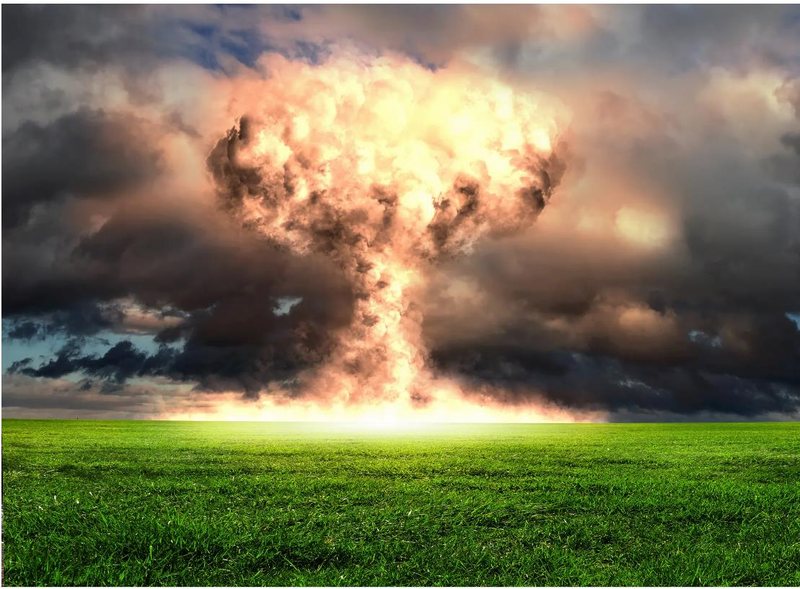
Russian leader Vladimir Putin has frequently threatened a nuclear attack since the start of the war in Ukraine. But what would happen if he keeps his word on this crazy idea?!. For decades, researchers have modeled the consequences of nuclear conflict. One of the most devastating global outcomes from a nuclear war is the possibility of a prolonged extreme cooling event referred to as a "nuclear winter."
"In a nuclear war, bombs targeted at cities and industrial areas would cause firestorms, injecting huge amounts of soot into the upper atmosphere, which would spread globally and rapidly cool the planet," the researchers explain in a new study. "Such soot loads would cause decades-long disruptions in Earth's climate, which would affect food production systems on land and in the oceans."
Although the term "nuclear winter" was coined in the 1980s, the idea is as old as nuclear weapons.
As early as 1947, science fiction author Poul Anderson speculated about the prospect of a global nuclear war that would trigger a new ice age in his iconic post-apocalyptic story Children of Tomorrow.
Recently, as climate modeling has become more sophisticated, researchers have been able to run more complex simulations to explore what kind of effects a potential nuclear winter would have on environmental conditions around the world. This new study provides the most detailed modeling to date, investigating how nuclear war could affect global food supplies.
The study simulated six nuclear war scenarios, each producing different levels of soot in the stratosphere. Five scenarios modeled varying degrees of nuclear conflict between India and Pakistan, while the sixth model simulated a global nuclear war between the US and Russia.
Secili model vlerësoi efektet klimatike nga bloza që hidhet në atmosferë. Këto ndryshime klimatike u futën më pas në modele bujqësore të dizajnuara për të llogaritur reduktimet në prodhimet kryesore, si gruri, orizi dhe misri. Në fund të fundit, studimi i përktheu ato reduktime të të korrave në humbje totale të ushqimeve të prodhuara, që do të thotë se studiuesit më pas mund të vlerësonin se sa njerëz hipotetikisht do t'i nënshtroheshin urisë në muajt ose vitet pas një lufte bërthamore.
Skenari i rastit më të keq i modeluar në studim shikonte efektin e 150 milionë tonëve metrikë blozë duke u injektuar në stratosferë pas një jave konflikti bërthamor global.
Ndërsa rreth 360 milionë njerëz mund të vdisnin menjëherë nga hedhja akute e bombave bërthamore.
Dy vjet pas konfliktit bërthamor, modelimi vlerëson se rreth pesë miliardë njerëz do të vdisnin nga uria në mbarë botën.
“Edhe pse gjasat për një luftë të tillë janë të ulëta, një ftohje globale prej 14,8 °C (26,6 °F) (një epokë akullnajash) do të pasonte brenda një deri në dy vjet pas shpërthimeve bërthamore,” shpjegoi Deepak Ray , një shkencëtar mjedisor duke komentuar mbi modelim i ri.
Megjithatë, modelimi tregon se jo të gjitha vendet do të përballen me përvoja të ngjashme të pasigurisë ushqimore pas konfliktit bërthamor.
Në skenarin më ekstrem bërthamor, modeli parashikon se e gjithë tregtia ndërkombëtare e ushqimit do të pushojë, duke e lënë secilin vend të mbështetet në aftësinë e tij për të prodhuar ushqim për popullin e tij.
I vetmi vend në dukje më i mbrojtur nga katastrofa globale e parashikuar në modelim është Australia.
Studiuesit vlerësojnë se prodhimi i grurit në Australi nuk ndikohet kryesisht nga ndryshimet klimatike dhe nisur nga kjo mund të prodhohet ushqim mjaftueshëm për popullsinë.
Fqinji Zelanda e Re është gjithashtu relativisht e sigurt në skenarin më ekstrem të modeluar.
Sigurisht, studimi thekson se kjo nuk do të thotë se Australia është plotësisht e mbrojtur nëse një skenar i tillë mund të ndodhë.
Studiuesit spekulojnë se vendet me furnizime të qëndrueshme ushqimore, si Australia dhe Zelanda e Re, ka të ngjarë të përjetojnë flukse të konsiderueshme refugjatësh nga vendet e afërta aziatike që përballen me zinë e bukës.
Autori i studimit Alan Robock, i cili ka modeluar efektet klimatike të luftës bërthamore për dekada, tha se nuk ka asnjë simulim që nuk është tepër i dëmshëm për stabilitetin global.
He said billions of people would likely die as a result of nuclear war due to food insecurity and that is why these weapons should be banned.
"If nuclear weapons exist, they can be used, and the world has come close to nuclear war several times," Robock pointed out.
"A ban on nuclear weapons is the only long-term solution. The five-year-old UN Treaty on the Prohibition of Nuclear Weapons has been ratified by 66 countries, but none of the nine states that possess these weapons. Our work makes it clear that it is time for them to nine countries to listen to science and the rest of the world and sign this treaty".
Happening now...






83 mandates are not immunity for Rama's friends
Nga Gentian Gaba
ideas



top



Alfa recipes




TRENDING 




services
- POLICE129
- STREET POLICE126
- AMBULANCE112
- FIREFIGHTER128