


FLASH NEWS
REL: DP says Berisha's US ban lifted, DASH still no public confirmation

2026-06-11 16:11:56 / POLITIKË
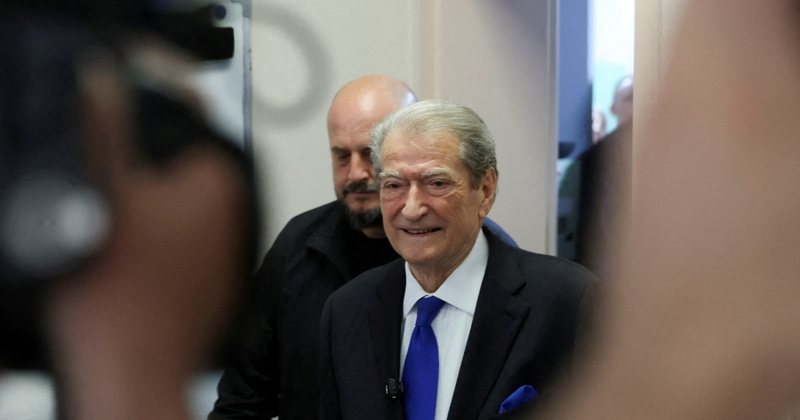
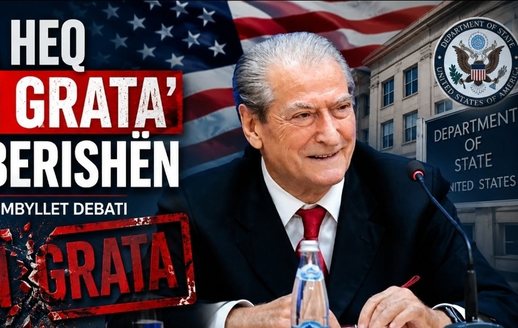
The Democratic Party of Albania (DPA) says the US State Department has lifted the sanctions that barred the party's leader, Sali Berisha, from entering the US. The US Embassy in Tirana has not commented, while the Democratic Party has stated that the decision has been made, but has not yet been officially announced by US institutions. Radio Free Europe/Radio Liberty has contacted the State Department to confirm the DP's statement regarding Berisha's case.
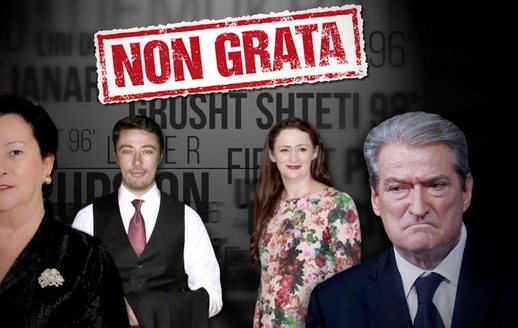
On May 19, 2021, the State Department banned former Albanian President and Prime Minister Sali Berisha and members of his immediate family from entering the United States due to his involvement in widespread corruption. US Secretary of State at the time, Antony Blinken, said that Berisha, in his official capacity, particularly as Prime Minister of Albania, was involved in corrupt practices, such as misappropriation of public funds and interference in public processes.
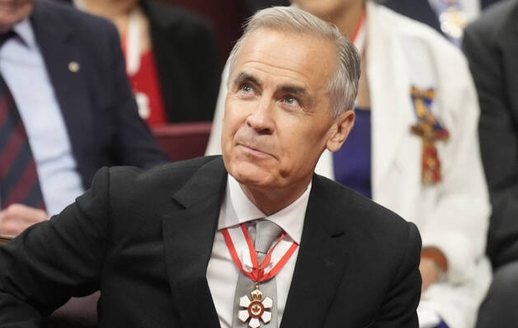
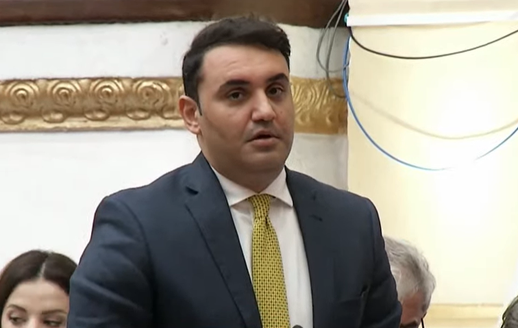
DP Chairman Sali Berisha entered the Assembly hall on Thursday declaring "I came, it's done." Asked by reporters, Berisha said there had been official communication from American authorities, but did not say who had communicated with him.
"Sali Berisha has never been non grata [persona non grata]. There was a sanction, the visa. My opponents called him non grata and it's not like I opposed it," Berisha said, while not answering reporters whether the sanction had also been lifted for his family members.
According to the State Department, the former Albanian prime minister used his power to benefit and enrich his political allies and family members. For this reason, Berisha, his wife, Liri Berisha, his son, Shkelzen Berisha, and his daughter, Argita Berisha Malltezi, were banned from entering the United States.
Following the statements by Berisha and the Democratic Party, the head of the Socialist Party parliamentary group, Taulant Balla, reacted.
"The 'non grata' status was established based on section 7031(c). In my opinion, it is a little difficult to remove. I will only comment on it when there is an official announcement from the State Department or the US Embassy. I do not comment on telephone conversations, because it is not correct and it is not institutional," said Balla.
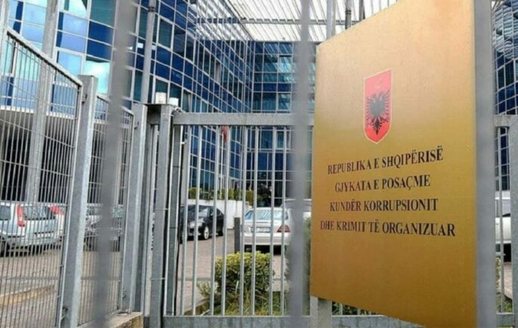
Immediately after the State Department's decision on Berisha, the leaders of the Special Structure against Corruption and Organized Crime, known as SPAK, declared that any material or evidence that would be made available would be investigated.
In 2023, SPAK requested security measures against Berisha in the file known as the "Partizani" case, where there were suspicions that he had used his influence as prime minister to favor his son-in-law, Jamarbër Malltezi, in the privatization and development of a property in Tirana.
Berisha u detyrua fillimisht të paraqitej periodikisht para autoriteteve dhe të mos largohej nga vendi. Në fund të vitit 2023, pasi nuk zbatoi detyrimin e paraqitjes, Gjykata e Posaçme vendosi ndaj tij masën e arrestit shtëpiak. Në shtator 2024, SPAK-u e mori zyrtarisht të pandehur për korrupsion pasiv dhe dosja kaloi për gjykim. Në nëntor 2024, arresti shtëpiak u hoq, por procesi gjyqësor vazhdoi. Në korrik 2025 nisi gjykimi në Gjykatën e Posaçme kundër Korrupsionit dhe Krimit të Organizuar. Berisha i ka mohuar akuzat dhe i ka cilësuar ato si të motivuara politikisht.
Vendimi i DASH-it pati ndikim edhe në aspektin politik. Në shtator të vitit 2021, kryetari i atëhershëm i PD-së, Lulzim Basha, e përjashtoi Berishën nga grupi parlamentar i PD-së, duke argumentuar se ky ishte një vendim për të ruajtur marrëdhëniet me SHBA-në. Berisha nisi "Foltoren" - takime me anëtarët dhe simpatizantët demokratë në të gjithë Shqipërinë, duke sfiduar drejtimin e Bashës. Në fund të vitit 2021, përplasja solli ndarjen e PD-së në dy kampe dhe zhvillimin e dy kuvendeve të ndryshme.
Gjatë vitit 2022, Basha dha dorëheqjen dhe Berisha u rikthye në krye të Partisë Demokratike, duke fituar zgjedhjet për kryetar. Edhe gjatë kohës kur ishte nën hetim dhe më pas në arrest shtëpie, Berisha vazhdoi të drejtonte PD-në.
Sali Berisha është presidenti i parë i Shqipërisë pas rrëzimit të totalitarizmit 50-vjeçar të Shqipërisë. Ardhja e tij në krye të vendit në vitin 1992 shënoi hapjen e parë të Shqipërisë drejt demokratizimit dhe një epokë të re në marrëdhëniet e Shqipërisë me botën, përfshirë SHBA-në.
Berisha ishte presidenti i parë i Shqipërisë që pas gjysmë shekulli u prit për herë të parë nga një president amerikan në Zyrën Ovale në Shtëpinë e Bardhë nga George Bush.
Në kohën sa Berisha ishte kryeministër, më 2007, Shqipërinë e vizitoi presidenti amerikan, George W. Bush, prej ku dhe shprehu përkrahjen për pavarësinë e Kosovës. Tetë muaj pas vizitës së Bushit në Shqipëri, Kosova shpalli pavarësinë.
Në mandatin e parë si president i vendit, Berisha mbikëqyri ndryshimet e mëdha shoqërore - nga një shoqëri e mbyllur në kalimin drejt një shoqërie me treg të hapur dhe reforma demokratike.
Ai mbikëqyri krijimin e institucioneve, hartimin e Kushtetutën e Shqipërisë si Republikë demokratike dhe u përball me sfidat e tranzicionit që pa një numër të madh të shqiptarëve që migronin drejt vendeve të Bashkimit Evropian, për t’i ikur varfërisë.
Pika më kundërthënëse e qeverisjes së tij në mandatin e dytë si president ishte lejimi i funksionimit të skemave piramidale, kolapsimi i të cilave e çoi Shqipërinë në luftë civile, pasi një numër i madh i qytetarëve humbën kursimet jetësore me vlerë 1.2 miliard dollarë.
In 1997, the Albanian state collapsed economically and politically and the country descended into anarchy, with citizens breaking into weapons depots to use against various community factions. The civil conflict in Albania left over 2,000 people dead.
This led to Berisha's resignation as president in 1997, paving the way for early elections and the creation of a caretaker government, which aimed to stabilize Albania.
During this period, Berisha continued to play an important role in Albanian politics, as the leader of the opposition until 2005, when his party won the elections and he became prime minister. During his term as prime minister, Berisha aimed to make Albania a member of NATO, and in 2009, Albania joined the North Atlantic Alliance.
In the middle of his term as prime minister, in the period 2005-2013 when the Democratic Party had returned to govern Albania, Albania was shocked by the explosion of a military weapons depot in Gërdec, near Tirana.
Twenty-six people, including children, were killed while processing old communist-era weapons as part of a contract with a private company that was supplying this type of weaponry to the Afghan army, following the US intervention in Afghanistan.
Extensive investigations have placed Berisha, his family and other close people at the center of this incident of international proportions, with his son believed to have been part of this contract.
In 2013, Berisha resigned as chairman of the Democratic Party after his party lost the elections.
Berisha's governance, like that of his political rivals, has been accompanied by tensions that have often been assessed as having undermined Albania's progress in implementing democratic reforms, particularly around the rule of law.
Throughout his career, Sali Berisha has clashed with the international factor for interference in justice - in 1995 when he dismissed judge Zef Brozi from the High Court and the arrest of leaders of the Greek minority in Tirana.
The conflict deepened in May 1996 when the US did not recognize the general elections, in which violence was used against the opposition and where its commissioners left the polling stations.
Then on January 21, 2011, the US engaged the Federal Bureau of Investigation (FBI) to conduct scientific verifications of the bullets that killed four people at protests by the Socialist Party, which was in opposition at the time.
Another clash was over the justice reform - where the then US ambassador tried to convince the parties to approve constitutional changes. Berisha had said that ambassadors with missions in Albania were behaving like governors. /REL
Happening now...



Protest microphone
Nga Poli Hoxha
ideas
top
Alfa recipes

TRENDING 



services
- POLICE129
- STREET POLICE126
- AMBULANCE112
- FIREFIGHTER128