


FLASH NEWS
The Albanian "majority" cocaine boss sentenced to 14 years in prison does not manage to avoid penetration into Albania

2024-02-27 17:59:13 / AKTUALITET
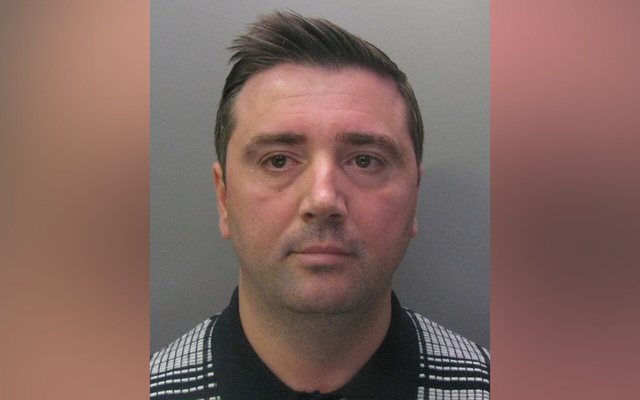
A jailed Albanian drug lord will be deported after judges ruled his threat to public safety outweighed his human rights claim in a test case. Neritan Kolludra, 40, the head of an Albanian organized crime group, was sentenced to 14 years and four months in prison in December 2019 for the "wholesale" supply of cocaine.
Ministers sought to deport him two years later, but Kolludra - who had been granted permanent residence in the UK and had a wife and three children in the country - claimed this would be a breach of his right to a family under the European Convention on Human Rights. (ECHR).
However, in a decision that could set a precedent for hundreds of other detainees facing deportation, two judges in the lower and upper immigration courts ruled that the impact of deportation on his family life was "more than serious risk" of committing a criminal offense". He will serve the rest of his sentence in an Albanian prison. It follows the introduction of new laws to ease the deportation of foreign criminals aimed at tackling the UK's prison overcrowding crisis. Alex Chalk, the Justice Secretary, said: “Foreign criminals should serve their sentences overseas wherever possible – not in British prisons at the expense of the taxpayer. "Our new laws allow us to deport foreign prisoners earlier, and the agreement signed with Albania significantly speeds up removals in that country."
Agreement on the transfer of dangerous prisoners
Mr Chalk has struck a deal with Albania that will see 200 of its most dangerous prisoners serve sentences at a fraction of the cost if they remain in the UK. He also wants similar agreements with Poland and Romania. The three countries account for almost a third of all foreign prisoners, who currently number 10,441 people, equivalent to 13 percent of the total of 89,000. They cost the UK taxpayer £470 million a year to accommodate.
The transfer deal with Albania is among the government's measures to avoid running out of prison space, including an early release scheme where imprisoned foreign offenders are deported 18 months before they are released. The government also plans to deport and detain foreign shoplifters, thieves and drug dealers rather than prosecute them.
Kolludra entered Britain illegally in 1998 using a false name and nationality to claim asylum. He was refused and returned to Albania in 2005. But then he showed that he had the right to stay as the spouse of a Lithuanian citizen in the UK. Despite being convicted of criminal offenses that led to a failed government attempt to deport him, Kolludra was granted a permanent residence card as the spouse of an EEA national in 2011.
After being jailed for drug offenses in 2019 and facing deportation, he argued that he would be denied regular prison visits from his children and wife. He would also be transferred to an open prison, which would provide the opportunity to spend time with his family. However, the judges ruled that his deportation was "proportionate" due to the seriousness of his offense and the continuing threat to public safety.
-

-

-

Photo-news/ A motorcycle ends up in the waters of the Lana River
February 27, 17:27
Happening now...















America may withdraw from Europe, but not from SPAK
Nga Gentian Gaba
ideas



top



Alfa recipes




TRENDING 




services
- POLICE129
- STREET POLICE126
- AMBULANCE112
- FIREFIGHTER128