


FLASH NEWS
The Kremlin's Shadow Behind Baba Vanga: How False 'Prophecies' Are Spread in Albanian Media

2025-12-08 19:41:29 / AKTUALITET
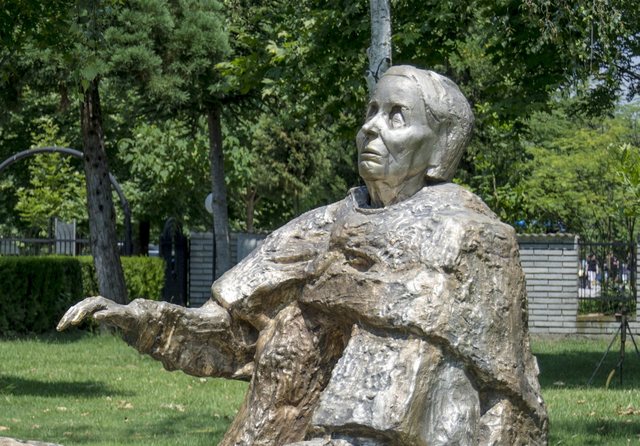
On December 3, the Albanian Telegraphic Agency asked in a headline published on its homepage : “Will Baba Vanga’s prophecy that could change the world in 2026 come true?” The answer is simple: No!
Although there is no evidence that Baba Vanga, a Bulgarian mystic named Vangeliya Pandeva Gushterova, made any written predictions during her lifetime, there are dozens of articles about her alleged prophecies in Albanian media, including public ones.
These conspiracy theories circulate year after year, generally translated by tabloid media and without any editorial control.
Publications quoting Baba Vanga are filled with warnings of catastrophes; the long-awaited encounter with aliens; prophecies about the disappearance of Europe and the collapse of the world under the rule of Vladimir Putin.
Researchers view such reports as part of disinformation campaigns or false narratives, which they say are linked in one way or another to propaganda spread by the Kremlin.
Erlis Çela, a media and communication researcher, observes massive information pollution through disinformation disguised as curiosity, a phenomenon he considers dangerous.
“This danger has to do with the fact that mystical prophecies and apocalyptic narratives, which are served to the public as news, are often used as an instrument for spreading propaganda,” Çela told BIRN.
Even Viola Keta, a fact-checking expert, sees these publications as part of agendas.
"Such news, with characters dressed in mysticism, speculation and untruths, exploiting people's emotionality and being spread repeatedly, especially on the eve of events of global interest, are very likely part of agendas that seek instability and confusion," Keta emphasized.
"The Truth" According to Baba Vanga
Vangeliya Pandeva Gushterova [1911-1996], otherwise known as Baba Vanga, was a blind Bulgarian mystic and healer, who during the communist regime was instrumentalized by the state and, most likely, was suspected of being used by the secret services through the Institute of Suggestology.
She is also known for her relationship with Lyudmila Zhivkova, the daughter of Bulgarian dictator Todor Zhivkov. In the 1980s, Vanga received visitors from leaders of the Soviet Union, and her meetings were managed in detail by the state , which also charged a symbolic fee from visitors.
This has sparked speculation, but the fact is that for the predictions she shared with visitors, she received a salary from Zhivkov's regime.
Edhe pse sot njihet globalisht për parashikime gjeopolitike dhe apokaliptike, mbesa e saj, Krasimira Stoyanova, burimi më i besueshëm biografik rreth Vangës, shkroi se në realitet ajo jepte kryesisht këshilla personale shëndetësore dhe nuk ka lënë asnjë profeci të shkruar. Ajo jetoi pjesën më të madhe të jetës së saj në zonën e Rupites në malet Kozhuh të Bullgarisë dhe vdiq në Sofje më 11 gusht 1996.
Shumica e parashikimeve që i atribuohen vit pas viti besohet se janë trillime të mëvonshme, prej individësh, interpretuesish, prej tabloidëve dhe me raste edhe prej propagandës ruse, të cilat përdorin emrin e saj për të përhapur dezinformim dhe frikë.
Studimi akademik “Mediums, Media, and Mediated ‘Post’-Truth: Baba Vanga in the Russian Imagination” (Mediumët, Media dhe ‘Post’-e Vërteta e Ndërmjetësuar: Baba Vanga në Imagjinatën Ruse) nga Mary Neuburger dhe Adam Hanzel nga Universiteti i Teksasit në Austin, ilustron se si figura e Baba Vangës po përdoret për propagandë dhe për të krijuar narrativa pro-ruse.
Studiuesit thonë se “në të shumtën e rasteve, “e vërteta” sipas Vangës është e dobishme për regjimin e Putinit” dhe vënë në dukje se shpesh “profecitë” vijnë nga media afër pushtetit, por ato mund të jenë edhe shpikje sporadike që besohen masivisht për shkak të statusit të Vangës.
Ndërsa vënë në dukje se kjo nuk është diçka e kontrolluar direkt nga Kremlini, pasi kushdo mund të prodhojë një profeci të re në emër të Vangës, studiuesit theksojnë se ajo i shkon për shtat regjimit, sidomos kur parashikohen suksese të mundshme të presidentit Putin.
Bitter Ëinter, një revistë e publikuar në Torino që shkruan për të drejtat e njeriut dhe liritë fetare, shpjegon se në fakt Baba Vanga ishte e njohur në Bullgari jo për parashikimet gjeopolitike, por për këshillat për shëndetin e atyre që shkonin ta vizitonin. Pak a shumë si ata që “lexojnë” filxhanin e kafesë apo pëllëmbën e dorës.
Megjithatë, revista vë në dukje se media në Rusi si “Komsomolskaya Pravda”, një gazetë pranë regjimit, e përsërisin herë pas here “profecinë” e “Putinit që kontrollon botën”. Profecia fillimisht shoqëroi fitoren e Putinit në zgjedhjet e vitit 2018 (diçka krejtësisht e pritshme) dhe u ripublikua në vitin 2022 për të inkurajuar pushtimin e Ukrainës.
Zakonisht ky “parashikim” dhe ato që sinjalizojnë fundin e Perëndimit, për t’u bërë të përtypshme, shoqërohen me informacione shtesë mbi arritjet në shkencë, motin e keq dhe katastrofa natyrore në pjesë të ndryshme të botës.
Një studim i BIRN i vitit 2024 mbi “Shpërndarjen e narrativave dezinformuese kundër NATO-s dhe BE-së nga aktorë kundërshtarë në median shqiptare” gjeti se Vanga dhe misticizmi rreth saj ishte një prej mënyrave se si narrativat pro Putin dhe kundër BE apo NATO përfundonin te lexuesi shqiptar.
"Although a non-political figure, Baba Vanga's predictions are often used by conspiratorial and disinformation media to reinforce certain narratives, including against NATO and the EU," the study states.
Fake news laundromats
Despite the prophecies being refuted year after year, the Albanian media, generally blindly following the British tabloids, reproduce them without any change. Thus, the "prophecy" that Europe will end in 2024 and then in 2025, are shared by the same media without reflection.
Among the media outlets that publish Baba Vanga's prophecies are national television stations such as Top-Channel or TV Klan, which generally translate them from the Daily Mail. Similar materials can also be found in other well-known media outlets in the country such as Euronews, Panorama, Shqiptarja.com.
Disguised as curiosities, these texts with “click-bait” headlines about the end of the world and catastrophes or miracles, become extremely viral near the end of each year. To be credible, the articles are accompanied by “successful predictions,” even though no one is able to verify them.
This form of republishing is known as the fake news laundromat. The process usually starts with an anonymous source on social media, is forwarded to tabloids, and ends up copy-pasted into the media in Albania, including public agencies that do not need “click-bait” as they are paid for by the state budget and not by advertising.
"Unfortunately, I find that this type of news has become routine in Albanian media. Many of the portals are not interested in filtering the propaganda narratives that are camouflaged in these publications," said Erlis Çela.
"For me, it is extremely concerning that a public media outlet, which is supported by taxpayers and does not operate with the logic of commercial media, publishes news that aims to drive clicks and that has no verified facts," he added.
Despite the lack of real sources, or even the total absence of the source of the "prophecy", the reference from one media outlet to another risks being seen by the public as reliable information.
According to Keta, readers are finding it increasingly difficult to distinguish real information among the large number of speculative publications.
"Another important thing is how aware the public is that the media from which this news was obtained is known for speculative and sensational news and an anti-immigration approach, which is further linked to the politics that inspires this approach," Keta concluded./ BIRN
Happening now...





Karmën nuk e ndalon dot Sali Berisha!
Nga Bato Kosova
ideas

Did December '90 fail in its mission?!
Nga Patrik Sadikaj

Will Berisha take stock of the first in his second speech?
Nga Preç Zogaj

First Secretary of the Democratic Party
Nga Indrit Vokshi
top


Alfa recipes

TRENDING 




services
- POLICE129
- STREET POLICE126
- AMBULANCE112
- FIREFIGHTER128