


FLASH NEWS
Iran strikes US bases in the Persian Gulf, Middle East tensions reach peak

2026-06-10 08:23:59 / BOTA
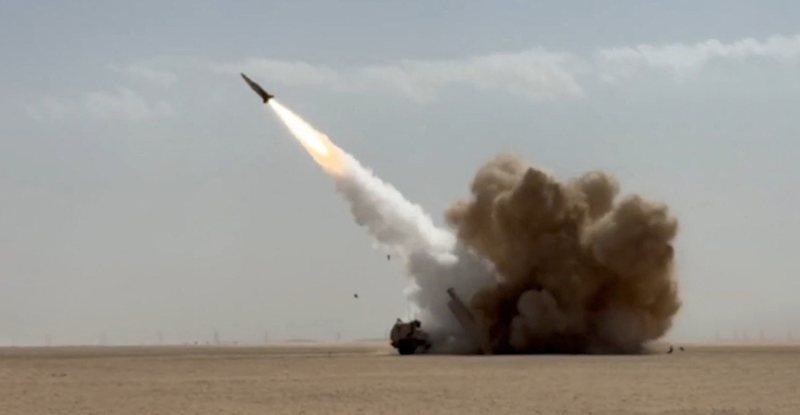
The conflict in the Middle East has entered a new phase of escalation, after the Iranian armed forces announced that they had launched attacks on US military bases in Bahrain and Jordan, in what Tehran described as retaliation for US bombing of Iranian targets near the Strait of Hormuz. The attacks come just hours after US President Donald Trump declared that Washington was close to reaching a “very good deal” to end the war that broke out on February 28 between the US, Israel and Iran. However, the situation deteriorated after reports of the downing of a US AH-64 Apache helicopter, for which Washington blamed Tehran.
According to the Iranian Revolutionary Guard, four important military targets were hit in Jordan, including groups of F-35 fighter jets and a US command center in Azraq. Jordanian authorities, on the other hand, stated that they had intercepted five Iranian missiles and that there were no casualties or material damage. Meanwhile, in Bahrain, the Revolutionary Guard claimed that its navy carried out a drone attack on the US Fifth Fleet, stationed in this Persian Gulf country. Bahrain's Interior Ministry confirmed the activation of air defense sirens.
Tehran said the military operations came in response to US strikes on Jask, Shirik and Qeshm Island, where Iranian authorities said civilian infrastructure, including a telecommunications tower and two water reservoirs, was damaged. In an official statement, the Iranian Foreign Ministry called on Gulf countries not to allow their territory to be used for military operations against Iran, warning that the Islamic Republic would continue to exercise its “legitimate right of self-defense.”
On the other hand, the US Central Command (CENTCOM) confirmed that it had struck air defense systems, radars and control facilities near the Strait of Hormuz, describing the operation as a proportionate action in self-defense after the downing of the Apache helicopter. The new escalation has also affected international markets. The price of US WTI oil rose by 0.74%, reaching $ 88.85 per barrel, amid concerns about the safety of hydrocarbon transport in the Strait of Hormuz, one of the most important energy arteries in the world.
Meanwhile, fighting continues in Lebanon. At least 11 people were killed in Israeli shelling of the city of Tyre, while the Hezbollah movement claimed responsibility for new attacks against Israeli forces in southern Lebanon and northern Israel. Despite President Trump's calls for an immediate ceasefire, recent developments show that the prospect of a peace agreement remains distant, as the region faces one of its most dangerous moments in recent years.
Happening now...











ideas

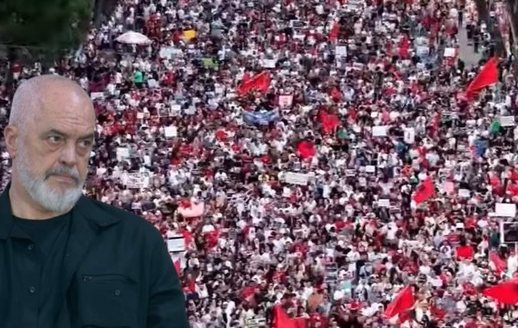
Who are the shadows surrounding the protest?
Nga Ergys Mërtiri
Protest against an immoral elite
Nga Sokol Neçaj

Protests do not produce leaders
Nga Ardi Stefa
top


Alfa recipes



TRENDING 



services
- POLICE129
- STREET POLICE126
- AMBULANCE112
- FIREFIGHTER128