


FLASH NEWS
A common virus can trigger the development of a dangerous type of cancer

2025-08-09 22:06:17 / BOTA
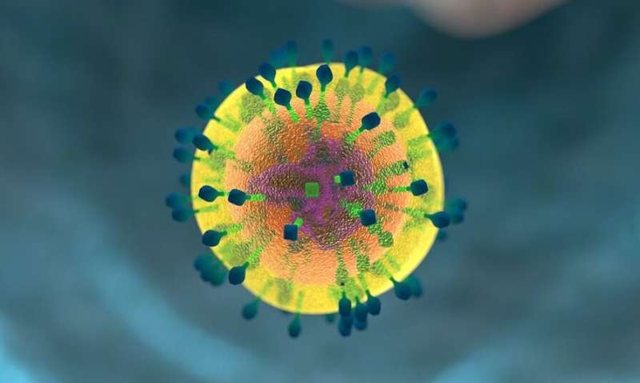
The new study shows that beta-HPV can integrate into DNA and promote the development of cancer, especially in people with weakened immune systems.
Scientists have made a remarkable discovery that could change the way we understand one of the most common forms of cancer in the world.
A common type of human papillomavirus (HPV), known as beta-HPV, may be much more dangerous than previously thought.
Until now, it was believed that this virus simply exacerbated skin damage caused by UV radiation. But a new study shows that it can directly take control of cells and promote the development of cancer.
An unexpected turn in a patient's case
This information emerged from the case of a 34-year-old woman who was battling squamous cell carcinoma (cSCC) on her forehead. Despite multiple surgeries and immunotherapy, the tumors kept coming back.
A detailed genetic analysis revealed a shocking fact: beta-HPV had integrated directly into the DNA of cancer cells, producing proteins that accelerated the progression of the disease. This is the first confirmed case where beta-HPV has integrated into cellular DNA and actively participated in maintaining cancer, reports Science Alert.
The key role of a weakened immune system
The patient had a rare inherited immune disorder that prevented T cells, the main defenders against infections, from attacking HPV. Although her body successfully repaired the damage from UV radiation, the weakened immune system allowed the virus to spread and take control.
As a result, she also suffered from other symptoms of HPV, such as warts on the skin and in the mouth.
"This suggests that there may be other people with aggressive forms of cSCC who have underlying immune defects and who may benefit from therapies focused on the immune system," said Andrea Lisco, an immunologist at the US National Institute of Allergy and Infectious Diseases (NIAID).
Revolutionary therapy and complete recovery
Once the true cause of the disease was discovered, doctors applied a targeted therapy, bone marrow stem cell transplantation, to replace damaged T cells with healthy cells.
The treatment was a resounding success: not only did the aggressiveness of the skin cancer disappear, but all other symptoms of HPV also disappeared. During the three years of follow-up, there was no sign of the disease returning.
"This achievement would not have been possible without the collaboration of virologists, immunologists, oncologists and transplant experts, all working under the same roof," said Lisco.
What does this mean for the future of cancer treatment?
Although UV radiation remains the main cause of skin cancer, this study shows that in rare cases, viruses such as beta-HPV may play a crucial role, especially in individuals with weakened immune systems.
The discovery once again highlights the importance of a personalized approach to cancer treatment, which is proving more effective than standard methods. Moreover, it gives hope for improving the fight against viruses such as alpha-HPV, which causes cervical cancer, especially considering that vaccination has significantly reduced mortality.
"This could completely change the way we think about the development and treatment of cSCC in patients with impaired immune function," concluded Lisco.

Happening now...
















America may withdraw from Europe, but not from SPAK
Nga Gentian Gaba
ideas



top



Alfa recipes




TRENDING 




services
- POLICE129
- STREET POLICE126
- AMBULANCE112
- FIREFIGHTER128