


FLASH NEWS
For the first time since 2019, Iran raises gasoline prices

2025-12-13 11:22:50 / BOTA
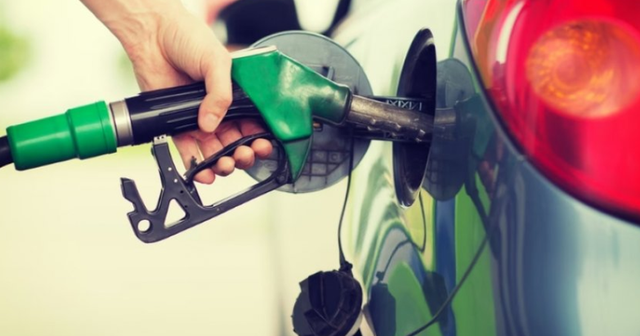
Iran has raised the prices of subsidized gasoline for the first time since 2019, when major protests erupted over fuel price hikes that killed more than 300 people.
Tehran is facing increasing pressure from the devaluation of its currency, the rial, as well as economic sanctions imposed over its nuclear program.
The new calculation system introduces the third price tier in the country's long-standing subsidy system, which allows drivers to continue to receive 60 liters of gasoline per month at a subsidized price of 15,000 riyals per liter, or about 35 dinars, and the next 100 liters will remain at 30,000 riyals per liter, or about 71 dinars.
Iran introduced fuel rationing in 2007, but this has yet to reduce demand for ultra-cheap gasoline, while prices, even with the new price, remain among the lowest in the world.
The difference between the costs of producing and delivering fuel and the price at the pump is a subsidy paid by the state.
The Paris-based International Energy Agency (IEA) has ranked Iran as the second-largest country in the world in terms of energy subsidy costs in 2022, just behind Russia.
Today's price hike is the most significant change to Iran's fuel subsidy system since 2019, when a sudden 50 percent increase in subsidized prices and a 300 percent increase in the rate for purchases above quotas sparked protests in more than 100 cities and towns across the country.
According to the international organization Amnesty International, at least 321 people died in the riots and several thousand others remained in detention.
Critics claim that every 10,000 rial (about 24 dinars) increase in the price of gasoline increases inflation by five percent, while the current annual inflation rate in Iran is around 40 percent.
Cheap fuel has resulted in increased employment in Iran, given that more than eight million residents work as taxi drivers through online platforms, which makes up almost 10 percent of the population.
Energy Minister Mohsen Paknejad said on the occasion of the price increase that this represents "the beginning of a change in the trend of fuel consumption."
Experts claim that Iran could raise oil prices in the future, and the government reviews prices every three months.
Happening now...






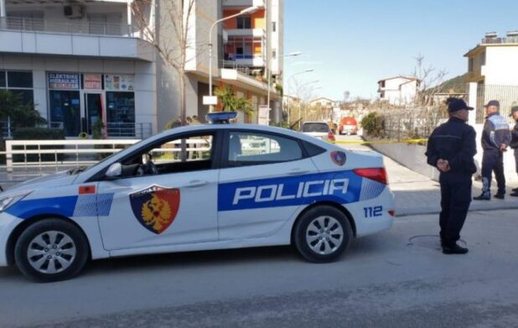

America may withdraw from Europe, but not from SPAK
Nga Gentian Gaba
ideas


Who is the Surrel Rabbit?
Nga Sidi Hasanaj
The two wrong paths of the opposition with the Ombudsman
Nga Patrik Sadikaj
top


Alfa recipes


TRENDING 




services
- POLICE129
- STREET POLICE126
- AMBULANCE112
- FIREFIGHTER128