


FLASH NEWS
The Guardian: Radioactive water from UK nuclear bomb base has spilled into the sea

2025-08-10 00:07:22 / BOTA
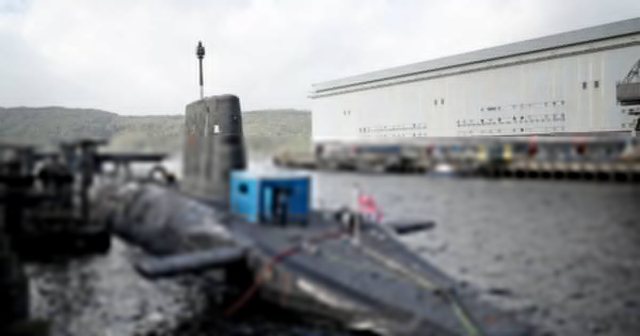
Radioactive water from the base that houses the UK's nuclear bombs was allowed to leak into the sea after old pipes repeatedly burst, official files have revealed. The radioactive material was released into Loch Long, a marine lake near Glasgow in western Scotland, because the Royal Navy failed to properly maintain a network of 1,500 water pipes at the base, a regulator has revealed.
The Coulport Arms Depot on Loch Long is one of the most secure and secret military sites in the UK. It holds the Royal Navy's supply of nuclear warheads for its fleet of four Trident submarines, which are based nearby.
Files compiled by the Scottish Environmental Protection Agency (Sepa), a government pollution watchdog, suggest that up to half of the components at the base were beyond their design life when the leaks occurred. Sepa said the flooding at Coulport was caused by “lack of maintenance”, resulting in the release of “unnecessary radioactive waste” in the form of low levels of tritium, which is used in nuclear warheads.
In a 2022 report, the agency blamed the leaks on the Navy's repeated failure to maintain equipment in the area dedicated to storing nuclear warheads and said plans to replace 1,500 old pipes that were at risk of exploding were "suboptimal."
The leaks are revealed in a series of confidential inspection reports and emails posted on the investigative website Ferret and shared with The Guardian, which Sepa and the Ministry of Defence fought to keep secret. They were released on the orders of David Hamilton, the Scottish Information Commissioner, who oversees freedom of information laws in Scotland, after a six-year battle by journalists for access to the files.
The UK government insisted that the files should be kept secret for reasons of national security, but in June Hamilton decided that most of them should be made public. He said that their disclosure threatened "reputation" rather than national security.
The nuclear warheads are placed in the UK's Trident missile depot at Coulport, where the missiles are loaded onto Vanguard-class submarines before they set out to sea on covert patrols as part of the UK's nuclear deterrent. The UK's nuclear weapons fleet has been based at Faslane, on a nearby loch called Gare Loch, since the early 1960s. Tritium is regularly replenished in the warheads to maintain the weapons' performance.
Sepa files show there was a pipe burst at Coulport in 2010 and two others in 2019. A leak in August 2019 released “significant amounts of water” that flooded a nuclear weapons processing area, where it was contaminated with low levels of tritium and passed through an open drain that flowed into Loch Long.
While Sepa said that the levels of radioactivity in that incident were very low and did not pose a risk to human health, it found that there were “deficiencies in maintenance and asset management that led to the failure of the connection that indirectly led to the production of unnecessary radioactive waste.”
Following an internal investigation and a Sepa inspection, the Ministry of Defence promised 23 actions to prevent further explosions and flooding in March 2020. It admitted that the lack of preparation had caused "confusion", "a breakdown in access control" and a "lack of communication about the risks".
However, in 2021 there were two more pipe explosions, including one in another area that also contained radioactive substances, prompting another inspection by Sepa in 2022. Progress in completing the 23 corrective actions "had been slow and delayed in many cases," Sepa said. "The events have highlighted deficiencies in asset management across the naval base."
Coulport is exempt from civil pollution controls because it is a military base, but Sepa said it was committed to ensuring the base operated “in accordance with standards equivalent to those of environmental regulations, to protect both the environment and the public”. Sepa said it was “pleased” that Coulport and Faslane had made “significant improvements in asset management and maintenance” since these incidents, which had not been repeated.
It published data on radioactive releases from Coulport and Faslane each year, along with environmental impact assessments. It insisted that these releases were not of "regulatory concern".
-

Apple introduces new colors for iPhone 17?
August 9, 23:49
Happening now...
















America may withdraw from Europe, but not from SPAK
Nga Gentian Gaba
ideas



top



Alfa recipes




TRENDING 




services
- POLICE129
- STREET POLICE126
- AMBULANCE112
- FIREFIGHTER128