


FLASH NEWS
Remittances sustain the economy, 37% of families in Albania affected by emigration

2025-12-16 08:34:56 / EKONOMI&SOCIALE
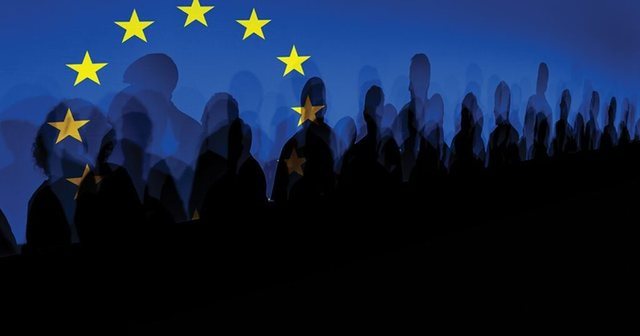
Migration continues to be one of the main pillars shaping the Albanian economy and society. According to the 2024 Household Migration Survey, conducted by INSTAT in collaboration with the World Bank, around 37% of households in Albania have at least one member currently living abroad or having migrated and returned, confirming the massive and long-term dimensions of Albanian emigration. The survey estimates that around 1.6 million Albanians live abroad, while over 108 thousand people have returned to Albania over the last 12 years, making migration a continuous cycle and not a temporary phenomenon.
According to the survey, about 22 percent of families have members currently outside Albania, while 20 percent have at least one returned migrant.
Data show that emigration is largely a phenomenon of young people of working age, especially men. Nearly three-quarters of current emigrants are men and the majority belong to the 25–44 age group, precisely the most productive core of the labor market.
In terms of education, immigrants are better educated than the population that remains in the country: over two-thirds have completed secondary education and around 18% have higher education, with significant differences depending on the host country. The US and Germany attract the most educated immigrants, while Greece remains the main destination for immigrants with lower education.
Before leaving, most emigrants are employed in Albania, but mainly in low- or medium-skilled occupations and with lower-than-average salaries.
At the same time, expectations for life abroad are inflated, with immigrants expecting to earn an average of around $3,900 per month, but real income is around $2,200, while real savings are almost three times lower than predicted.
Although emigration significantly increases incomes, with emigrants earning on average 2.5 times more than in Albania, the benefits come with considerable insecurity. One in three emigrants work without a written contract and over a quarter do not benefit from social security or paid holidays, making employment more insecure compared to the native population in host countries.
Another prominent problem is the underutilization of human capital, as about a third of current emigrants and nearly 80% of return emigrants with higher education work in professions that require qualifications lower than their education.
Remittances remain one of the most direct benefits of emigration for the Albanian economy. About half of emigrant households have received remittances in the last year, and for these households, remittances from abroad constitute on average 41% of total income.
Megjithatë, anketa tregon se remitancat përdoren kryesisht për konsum bazë, si ushqimi, shpenzimet e përditshme dhe kujdesi shëndetësor, ndërsa investimet produktive në biznes apo bujqësi janë pothuajse të papërfillshme. Një tjetër problem është se vetëm rreth 30% e remitancave dërgohen përmes kanaleve formale, ndërsa pjesa më e madhe qarkullon përmes rrjeteve informale, duke kufizuar ndikimin e tyre në zhvillimin financiar dhe formalizimin e ekonomisë.
Anketa hedh dritë edhe mbi rikthimin e emigrantëve, një proces që është përshpejtuar vitet e fundit. Rreth 45% e emigrantëve të kthyer janë rikthyer pas vitit 2020, shpesh për arsye ekonomike ose për shkak të pasigurisë në vendet pritëse. Fillimisht, emigrantët e kthyer përballen me vështirësi në punësim, por me kalimin e kohës arrijnë norma punësimi më të larta se popullsia jo-emigrante. Vetëpunësimi shfaqet si një rrugë e rëndësishme riintegrimi, veçanërisht për gratë dhe për ata që kanë kaluar periudha të gjata jashtë vendit, duke treguar potencial për krijimin e vendeve të reja të punës.
Elsa Dhuli, Drejtoreshë e Përgjithshme e INSTAT, u shpreh: “Migracioni është një realitet strukturor për shoqërinë shqiptare dhe kjo pasqyrohet qartë edhe në shifrat e anketës. Mesazhi kryesor është i qartë: migracioni sjell njëkohësisht përfitime dhe kosto, dhe balanca mes tyre varet nga politikat që ndërmerren. Statistikat zyrtare të prodhuara nga INSTAT nuk janë thjesht një pasqyrim i realitetit, por një mjet konkret për vendimmarrësit. Ato duhet të shërbejnë për të identifikuar problematikat, për të orientuar ndërhyrjet publike dhe për të vlerësuar efektin e politikave, me qëllim që migracioni të kontribuojë më shumë në mirëqenien sociale dhe zhvillimin ekonomik të vendit.
” Ingrid Macdonald, Koordinatore Rezidente e OKB-së në Shqipëri, u shpreh: “Të kuptuarit se pse njerëzit lëvizin, ku lëvizin dhe si kontribuojnë është thelbësor, veçanërisht për një vend si Shqipëria, ku migracioni ka formësuar prej kohësh shoqërinë. Të dhënat e besueshme janë një domosdoshmëri që u mundësojnë politikëbërësve të kuptojnë ndryshimet në kohë reale, të parashikojnë nevojat e ardhshme dhe të hartojnë përgjigje gjithëpërfshirëse, të përqendruara te njerëzit dhe sa më efektive.”
Evis Sulko, Zëvendës Drejtuese e Zyrës së Grupit të Bankës Botërore për Shqipërinë, u shpreh: Anketa e Migracionit pranë Familjes përfaqëson një hap të rëndësishëm në forcimin e ekosistemit të të dhënave mbi migracionin në Shqipëri. Përmirësimi i mënyrës se si migracioni matet dhe kuptohet mbështet vendimmarrje më të mira politike dhe ndihmon që migracioni të kontribuojë pozitivisht në zhvillimin afatgjatë të Shqipërisë.”
Sonja Kurz, Director of GIZ Albania, said: “Migration has long shaped Albania’s social and economic development and, while offering great opportunities, it also poses complex challenges. That is why strong institutions, coordinated policies and reliable data are essential. For us as an implementing partner, solid data is essential to design effective programmes and achieve real impact.” • Alma Jani, Head of the IOM Office in Albania, said: “For the first time, Albania benefits from a combined quantitative and qualitative analysis of migration. This approach allows us to understand migration routes more comprehensively, linking data with the perspectives of institutions, communities and the diaspora, and supporting future-oriented policies.”/ Monitor
Happening now...










Germany, the "curse" of Rama and Berisha
Nga Bato Kosova
ideas

The opposition must and will be bigger than an individual.
Nga Taulanda Jupi

Violent protests as group therapy
Nga Roland Lami

Those who mocked and attacked Basha
Nga Ermal Peçi
top



Alfa recipes



TRENDING 




services
- POLICE129
- STREET POLICE126
- AMBULANCE112
- FIREFIGHTER128