


FLASH NEWS
The "acid test" for Albanian tourism, after success comes the risk of a boomerang

2025-08-09 13:39:51 / EKONOMI&SOCIALE
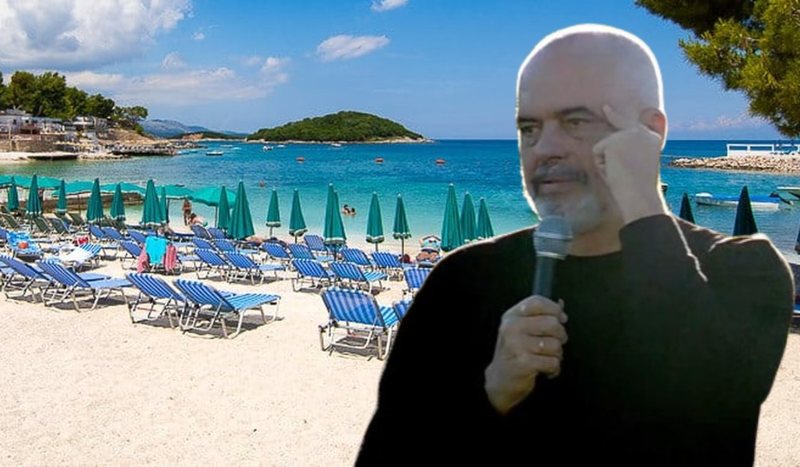
From a success story with double-digit growth in tourist flows in the last two years, Albanian tourism is today facing a difficult test: an "acid test".
This is a term borrowed from finance, used to measure a business's ability to meet short-term obligations by relying only on the most stable and liquid resources – without having to sell less liquid assets to convert them into cash.
Translated into the context of tourism, the acid test is a way to understand whether the sector has enough "real capacity" to cope with short-term expectations, pressures and emerging challenges, without relying on fleeting enthusiasm, organic advertising or mechanical growth in numbers.
This is a moment of maturity, where the difference between sustainable success and temporary boom is made.
Albania used to benefit from tourists' low expectations. They would arrive with skepticism and leave positively surprised.
This effect led to a wave of organic advertising, with tourists themselves promoting the place through social media. But this advertising also created an overestimation of reality.
Now, tourists who come are no longer simply curious — they expect more, and when they face the same old problems, the disappointment is even greater.
Data obtained from tourism associations and official figures for foreign national arrivals point to a slowed season in sand and sea tourism.
A search by "Monitor" on Booking shows that for the first week of August, accommodation capacities were still free, with an average occupancy of 70%, down from over 90% in the same period a year ago.
Infrastructure remains a significant problem. Water, energy, sanitation, lack of traffic management, or cleanliness have become barricades that neither low prices nor wonderful nature can overcome.
The tour operators themselves openly state: "It's a shame that we still have such vital problems."
Foreign tourists, especially those of the "middle class," who demand a minimum of standards, both for infrastructure and service, are leaving disappointed — a warning signal that should not be ignored.
It is precisely these tourists who are leaving the most, at a time when the country is making efforts to move away from low-cost tourism, towards a more elite one!
The infrastructure, which this year has not only not improved but has deteriorated, with the addition of the problem of water supply, only adds to the chaotic development that tourism has had in recent years.
In the first half of last year, foreign arrivals increased by an average of 30%, with figures exceeding 50% in February and 47% in March. This created euphoria among operators, who "rushed" to raise prices, especially in the South.
In a country that is attracting tourists, largely because of cheap prices, the reaction was swift. In July and August, the slowdown was rapid, even negative.
The fact that the growth of foreign nationals no longer reached double-digit levels after that period shows how sensitive and how quickly foreigners react.
Even the shift in holiday timing due to hot weather again does not seem to be a factor, as double-digit increases were no longer seen in the second half of 2024 and the first months of 2025.
Although they have been "forced" to lower prices this year, "the reputation has come out" and regional competition has increased, attracting not only European tourists, but also domestic ones.
Albanian tourism, today more than ever, is going through a critical test.
It is no longer a secondary sector, but has become an important pillar of the national economy, attracting significant private investment and international interest.
This makes the need for serious reflection and intervention even more urgent.
This is the moment to move from enthusiasm to professionalism. The “acid test” is clearly showing: without modern infrastructure, service standards, and careful management, tourism will no longer be an advantage or an advertisement — but a boomerang that could hit exactly what Albania has built with effort over the years.
And besides infrastructure, tourism faces its biggest challenge with itself./ MONITOR
Happening now...










America may withdraw from Europe, but not from SPAK
Nga Gentian Gaba
ideas


top



Alfa recipes

TRENDING 




services
- POLICE129
- STREET POLICE126
- AMBULANCE112
- FIREFIGHTER128