When cardboard and arrogance become law.
Nga Gjergji Nika


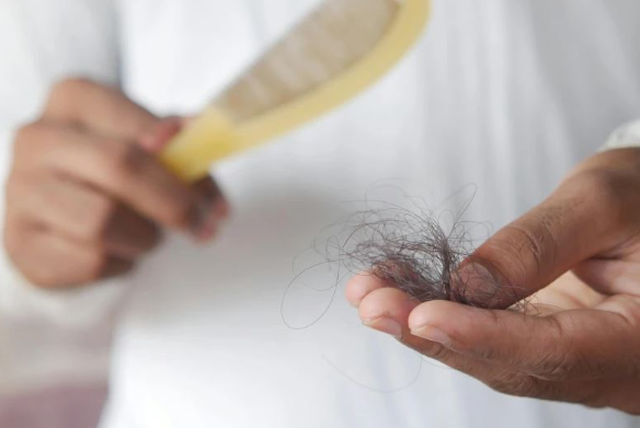
A new study suggests that excessive consumption of sugary drinks may be linked to hair loss.
"Diet and nutrition play a crucial role in hair health, especially vitamin D and iron supplementation, while limiting alcohol and carbonated drinks may be beneficial," write researchers from the Universidade do Porto in Portugal, The Independent reported.
These conclusions are based on findings from the last decade, where it has been seen that the consumption of sweetened beverages is associated with a higher risk of hair loss, especially in men.
According to studies, inflammation caused by foods with simple sugars contributes to this phenomenon.
A 2023 study from Tsinghua University found that consuming 11 cans of sugary drinks per week (over 3,500 ml) increases the risk of hair loss in men.
The authors noted that the data was self-reported from 1,028 participants, so it was difficult to determine direct causation.
Other studies have reinforced this connection.
A 2016 study found that consuming processed foods high in simple sugars was an “indirect factor associated with hair loss,” as it promotes the excessive production of sebum, an oily substance that moisturizes the skin and hair. This excess sebum creates conditions for bacteria to multiply on the scalp, causing irritation and inflammation, which contribute to hair loss.
"The findings suggest that dietary interventions may be important for the prevention and management of problems such as alopecia and hair loss. However, further studies are needed to further understand these associations and to develop evidence-based recommendations for promoting hair health through nutrition," the Portuguese authors said in a study report.
Hair loss is most often associated with androgenetic alopecia, otherwise known as hereditary baldness, which affects both men and women.
According to the Mayo Clinic, there are effective treatments for some forms of hair loss, including medications like Propecia for men and Rogaine for both sexes, as well as surgical interventions.
In some cases, hair may grow back even without treatment.
On the other hand, the analysis has highlighted that sufficient intake of vitamin D and iron is associated with reducing the severity of alopecia and improving hair growth.