


FLASH NEWS
Do not tickle babies! The scary facts that are caused by carelessness

2024-07-19 10:10:56 / JETË
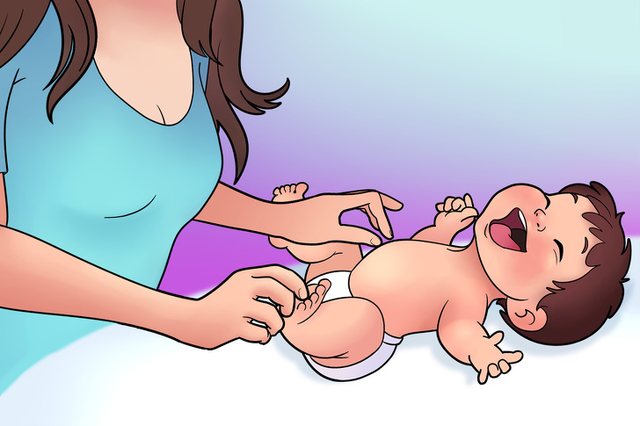
Tickling can be traumatic
Most of us have at least one unpleasant memory of trying to stop a tickle but laughing so hard we couldn't speak. Other times, we would repeatedly say stop or try to walk away while the tickling continued. Prolonged tickling can speed up the heart rate, feeding the child's fear of suffocation and causing him to become overstimulated. As a result of this condition, he will have excess energy which, if not released, can lead to injury.
Tickling can cause temporary paralysis
Tickling is fun, but it can also be dangerous. The tickling sensation often makes people feel like they are being attacked. Often, intense stimulation causes shock, a temporary paralysis that prevents the person being tickled from resisting.
Laughter is just a reflex
We often assume that laughter is a manifestation of joy. Instead, people laugh as an automatic reaction when we tickle them. Because of this, we have no control over how we react, and it's even worse for babies and young children who are unable to verbalize their needs and wants.
Tickling is physically painful
A tickle can make your baby squeal with laughter. However, the practice can be painful for him. Research on facial patterns shows that tickling has a persistent unpleasant side, as participants made signs indicating pain, even when laughing.

Happening now...















83 mandates are not immunity for Rama's friends
Nga Gentian Gaba
ideas



top



Alfa recipes




TRENDING 




services
- POLICE129
- STREET POLICE126
- AMBULANCE112
- FIREFIGHTER128