


FLASH NEWS
Scientists have found a way to grow algae on Mars

2025-07-10 09:48:28 / MISTERE&KURIOZITETE
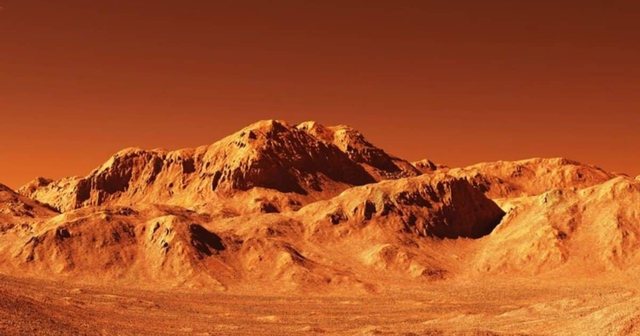
Researchers at Harvard University have made an exciting discovery that could change the future of space colonization. In an innovative experiment, scientists have successfully grown green algae in conditions similar to those found on Mars.
In a recent study published in Science Advances, a team of researchers from Harvard's John A. Paulson School of Engineering and Applied Sciences (SEAS) demonstrated that algae can thrive in an atmosphere that closely mimics that of Mars.
Led by Robin Wordsworth, a professor of environmental science and engineering, the team created a habitat using bioplastics to cultivate algae in extremely low-pressure conditions.
The atmosphere of Mars is over 100 times thinner than Earth's, making it nearly impossible for liquid water to exist. However, by building a 3D-printed chamber out of polylactic acid, a type of bioplastic, the team was able to simulate a stable environment. This chamber blocked harmful UV radiation, allowing enough light to support photosynthesis, a critical process for algae growth. Inside the bioplastic habitat, the team maintained an atmospheric pressure of 600 Pascals, which closely resembles conditions on Mars.
This experiment is not just a scientific curiosity. It marks a potential change in how humanity can build sustainable habitats on Mars and beyond. Robin Wordsworth explains: “If you have a habitat that is made of bioplastic and you grow algae inside it, those algae can produce more bioplastic. So you start to have a closed-loop system that can sustain itself and even grow over time.”
These bioplastic habitats could offer a biological alternative to traditional industrial materials, which are costly to transport over long distances. By relying on locally sourced biological materials, such as algae, researchers envision a future where space habitats could be self-sufficient and more environmentally friendly, reducing the need for constant resupply missions from Earth.
The algae chosen for this experiment, Dunaliella tertiolecta, is a species known for its ability to survive in extreme conditions. This resilience made it a perfect candidate for the experiment. However, it wasn’t just about growing the algae in a low-pressure environment. The team’s success in maintaining water stability in Mars-like conditions showed that it might be possible to create stable environments where liquid water could persist – a key ingredient for human survival on the Red Planet.
Përtej Marsit , ekipi po punon gjithashtu për përshtatjen e këtij hulumtimi për misione të tjera hapësinore. Më pas, studiuesit planifikojnë të testojnë habitatet e tyre bioplastike në kushte vakumi, të cilat do të ishin të rëndësishme për bazat hënore ose eksplorimin e hapësirës së thellë. Ata gjithashtu po projektojnë një sistem me lak të mbyllur për të siguruar që këto habitate të mund të funksionojnë në mënyrë të pavarur, pa pasur nevojë të mbështeten në burime të jashtme.


Happening now...














America may withdraw from Europe, but not from SPAK
Nga Gentian Gaba
ideas



top



Alfa recipes



TRENDING 




services
- POLICE129
- STREET POLICE126
- AMBULANCE112
- FIREFIGHTER128