


FLASH NEWS
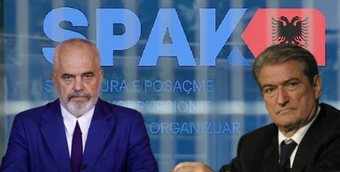
Scary analogy or warning? Does SPAK risk the same fate as the prosecution in Serbia?

2026-02-08 21:10:10 / POLITIKË
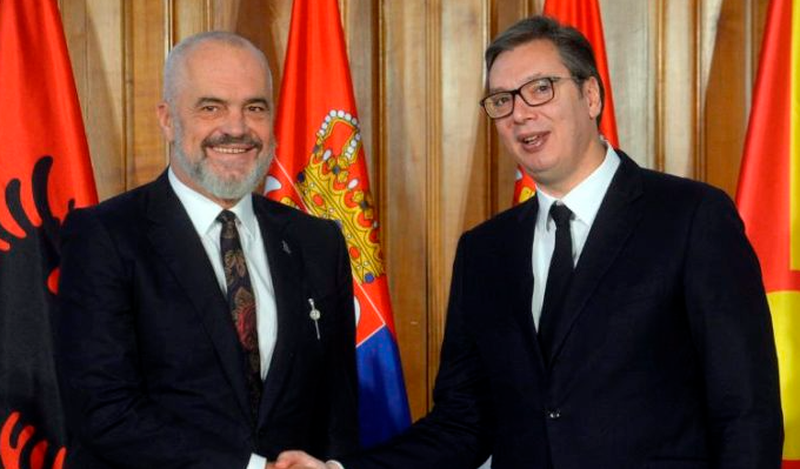
Just a week ago, the National Assembly (Parliament) of Serbia approved amendments to key judicial laws, proposed by an MP from the ruling Serbian Progressive Party (SNS) (U. Mrdić).
Critics in Serbia claim that these changes, adopted quickly and without public consultation, will limit the independence of courts and prosecutors; weaken the powers of the High Prosecutorial Council, and will return 11 of the 20 prosecutors currently working in the Public Prosecutor's Office for Organized Crime (TOK), the counterpart prosecution office of our SPAK, to the prosecution offices from which they were temporarily transferred.
After these changes were publicly announced, the TOK issued a statement, which assessed that their adoption would paralyze its work and "completely block proceedings in the most complex and sensitive criminal cases."
In my opinion, the analogy of the storm warned by the socialist majority against SPAK in this case cannot be ignored.
In Serbia, the Serbian Progressive Party (SNS) has been in power since 2012, while in Albania the SP has been in power since 2013. That is, in both countries, the majorities have been in power for a long and close period of time.
Both countries are in the process of EU integration, which implies close monitoring of the progress of this process by the European Commission structures.
The Public Prosecutor's Office for Organized Crime (TOK) in Serbia was established in 2002, but underwent legal changes in the period after 2016; namely, it is an EU-supported unit and has a similar function to SPAK in the investigative process, focusing on organized crime and corruption of high-ranking state officials.
Mbështetja me burime njerëzore e TOK në Serbi, sipas këtij akti të Parlamentit serb, është kufizuar, gjë që nuk mund të mos çojë në vështirësimin e përmbushjes së detyrave kushtetuese të këtij institucioni. Në Shqipëri pak është debatuar publikisht mbi kufizimet që Parlamenti vendosi për burimet financiare dhe njerëzore në dispozicion të SPAK-ut. Kështu, edhe pse parashikimet kushtetuese kërkojnë që “Prokuroria e Posaçme përbëhet nga të paktën 10 prokurorë” (Neni 148/dh), ndërsa volumet e punës duket se janë shumë më të mëdha edhe për 17 prokurorët që janë aktualisht, sulmet e përsëritura publike mediatike të kryeministrit Rama për pagat e tyre të larta nuk bëjnë gjë tjetër veçse ngjallin zemërim publik ndaj tyre, edhe pse SPAK nuk është aspak përgjegjës për stokun e dosjeve në sistemin shqiptar të drejtësisë dhe vonesat e pafundme, pasi SPAK merret me një numër tejet të vogël çështjesh penale – ato që kanë të bëjnë me korrupsionin e zyrtarëve të lartë dhe krimin e organizuar në vend – por që ky dallim pak ose aspak bëhet nga “qytetari mesatar”.
Nëse në Shqipëri SPAK ka në dorë disa dosje hetimore të zyrtarëve të lartë të vendit dhe vitin e kaluar u mor në hetim penal edhe zëvendëskryeministrja dhe ministrja e Infrastrukturës, Belinda Balluku, në Serbi po vitin e kaluar TOK ngriti akuza ndaj ish-ministrave të qeverisë së SNS-së, G. Vesić dhe T. Momirović, të cilët dyshohen për korrupsion në rastin e rindërtimit të hekurudhës Beograd-Budapest. Gjithashtu, edhe ministri aktual i Kulturës dhe anëtari i lartë i SNS-së, N. Selaković, u akuzua për falsifikim dokumentesh dhe shpërdorim detyre në rastin e Shtabit të Përgjithshëm.
Akuzat e TOK për korrupsion ose shpërdorim detyre ndaj ish-ministrave ose ministrave aktualë të qeverisë serbe janë përballur me një fushatë të gjerë kundër kësaj prokurorie nga ana e mediave pro-qeveritare, si dhe puna e gjyqësorit është kritikuar ashpër nga figurat kryesore të qeverisë, përfshirë Presidentin A. Vuçiç. Një situatë e ngjashme po ndodh edhe në Shqipëri me sulmet e koordinuara të maxhorancës, një pjese të opozitës ndaj SPAK-ut, si dhe të vetë KM Rama ndaj gjyqësorit në tërësi, duke përfshirë edhe deklarimin më të fundit, sipas të cilit Gjykata Kushtetuese “nuk gjeti forcën” për të mos lejuar, sipas tij, “rimarrjen peng të qeverisë” përmes një mekanizmi të pazakontë…
Media sources indicate that in Serbia, the aforementioned legal amendments have aroused great concern in Brussels, to the extent that the European Commission declared to a Serbian media outlet that “these changes could represent a significant step back in Serbia’s commitment to the path of EU membership.” Explicitly, the formal proponent of these legal amendments in Serbia went further by declaring that the adoption of a series of judicial laws is “the first step towards returning the hijacked judiciary to the state and people of Serbia,” so that it is no longer run by “alienated centers under the control of foreign centers of power”… Some of these public statements clearly resemble the institutional and public positions of the socialist majority led by Mr. Rama. Thus, explaining the proposal to amend the Law on the Public Prosecutor's Office, the proposer of the amendments in Serbia emphasized "the need to amend some decisions related to the decision-making competence, for the referral of public prosecutors to other public prosecutors...".
It is unclear what scheme the ruling majority in Albania and Prime Minister Rama will follow in the steps to limit SPAK's activity, but what is known for sure is that the "government" of the prosecution (High Prosecutorial Council) and the "government" of the judiciary (High Judicial Council) are completely under their political control and, together with the Constitutional Court, are preparing for a real crusade against SPAK.
Also, the socialist majority in Albania has silently rejected the repeated request over the past two years by the SPAK leader that the Assembly consider constitutional amendments regarding the limitation of the mandate of SPAK prosecutors, giving them the opportunity to re-run for another term. This request has also been publicly articulated by senior officials of the US State Department.
Apparently, the suspension of implementation and withdrawal of controversial amendments to key laws on the judiciary that Serbian MPs approved a week ago, strongly requested by Michael McGrath, the European Union Commissioner for Justice, and the decisions of the Constitutional Court and the Parliament on the Balluku case in Albania will also be the "touchstone" for the dynamics not only of establishing the rule of law in both countries, but especially for the process of their integration into the EU. /BIRN /
Happening now...









ideas


Ilir Meta, this gypsy of Edi Rama!
Nga Gentian Gaba

How to govern the country and lead the opposition... for yourself!
Nga Blendi Kajsiu
top


Alfa recipes

TRENDING 




services
- POLICE129
- STREET POLICE126
- AMBULANCE112
- FIREFIGHTER128