


FLASH NEWS
"They want 500 kg, if you don't accept, they'll kill you", BBC: Here's how the Albanian mafia is sowing fear in Ecuador and supplying Europe with ...

2025-04-09 10:11:54 / AKTUALITET
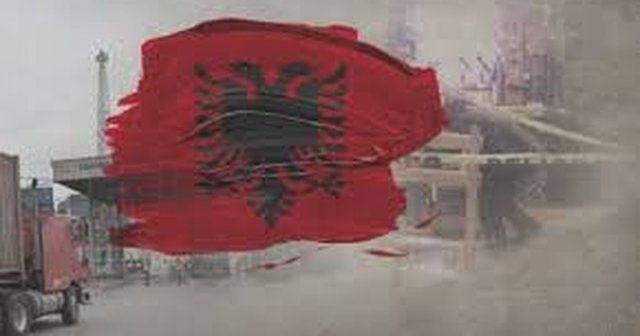
“The Albanian mafia would call me and say: 'We want to send 500 kg of drugs.' If you don't accept, they'll kill you.”
This is the shocking story of César (not his real name), a member of the Latin Kings gang in Ecuador, recruited by a corrupt police officer to work for the Albanian mafia – one of the most powerful cocaine trafficking networks in Europe.
In recent years, Albanian organized crime groups have expanded their activity in Ecuador, seizing control of the main cocaine trafficking routes from South America to Europe. Ecuadorian ports, although in a country that does not produce drugs, have become key corridors for 70% of the global cocaine that ends up on the European market.
“The Albanians needed someone to solve problems,” says César, who worked for them at strategic ports, bribing officials, drivers and supervisors to facilitate smuggling routes. For a load, he could earn up to $3,000, but the price of disobedience was death.
From Ecuadorian ports to European markets
Gangs use sophisticated methods to smuggle cocaine into containers carrying legitimate goods – such as bananas, one of Ecuador’s biggest exports. According to industry representative José Antonio Hidalgo, 66% of the containers leaving the country contain bananas, and about 30% of them are headed for the European Union.
This has created a perfect cover for the trafficking. Some gangs, according to prosecutors, have set up fake import-export companies in Europe and Ecuador. One of the most prominent figures in this scheme is Dritan Gjika, an Albanian national still at large, who is suspected of running one of the largest cocaine networks in South America.
Increasing violence, many victims
The year 2025 began with tragic figures for Ecuador: 781 murders in January alone, most of them related to drug trafficking. Truck drivers who work for regular companies often find themselves involved in this chain without knowing it. Some are forced to transport drugs under threat. “If you don’t contaminate the containers, you have two choices: quit your job or die,” says Juan, a driver who wishes to remain anonymous.
Why Europe is the key to the problem
Prosecutors, officials and traffickers themselves agree: consumers in Europe, the US and Australia are the driving force behind this bloody trade. The UK is particularly exposed – with annual consumption reaching over 117 tonnes of cocaine and a market worth £11 billion, according to the National Crime Agency (NCA).
Ecuador's President, Daniel Noboa, summed up the situation this way: "The chain that ends in 'fun in the UK' involves a lot of violence. What is fun for one person, probably involves 20 murders along the way."
Despite military and police efforts to control ports, cocaine trafficking continues to grow. According to Ecuador's Interior Ministry, nearly 300 tons of the drug were seized in 2024 - a new annual record.
"In Europe there are citizens willing to pay high prices to consume drugs. And this drug is killing our people," concludes lawyer Monica Luzárraga, who once defended one of the Albanian mafia's associates in court.
Ecuador's message to Europe is clear: stopping this tragedy does not begin in the ports of South America, but in the streets and clubs of Europe where the demand for cocaine is spreading blood and pain thousands of miles away./ BBC

Happening now...




83 mandates are not immunity for Rama's friends
Nga Gentian Gaba
ideas

"Preliminary sentence for Belinda Balluku", response to Baton Haxhiu
Nga Blendi Kajsiu

Teatri që fsheh prapaskenën
Nga Patrik Sadikaj

Berisha's red line and the black line of democracy in the DP
Besmir Semanaj
top



Alfa recipes

TRENDING 




services
- POLICE129
- STREET POLICE126
- AMBULANCE112
- FIREFIGHTER128