


FLASH NEWS
An expert on the Balkans and Albania becomes head of German diplomacy

2025-04-28 17:45:14 / AKTUALITET
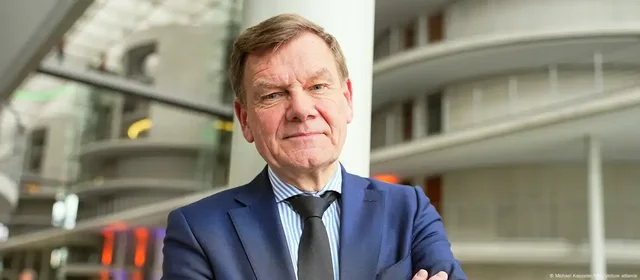
With the appointment of Dr. Johann David Wadephul as Foreign Minister, Germany is moving towards a more pragmatic diplomacy. Johann David Wadephul, born in 1963 in Husum, northern Germany, is a law graduate from the University of Kiel and a major in the Bundeswehr reserve. A member of the CDU since 1982, he has built a long political career in the state of Schleswig-Holstein and has been a member of the Bundestag since 2009.
After the 2017 elections, Johann Wadephul was appointed deputy chairman of the CDU/CSU parliamentary group for defence, foreign policy and security. As vice-chairman of the NATO Parliamentary Assembly, he has been committed to closer European cooperation in the field of security and to unconditional support for Ukraine. Regarding transatlantic relations and the changed US policy under President Donald Trump, Wadephul has said: "We must keep our hand outstretched, be ready for negotiations, but we must ensure that we can defend ourselves if the negotiations do not go well."
More measured and pragmatic diplomacy
"Unlike Annalena Baerbock, Wadephul will follow a more restrained, more pragmatic and more focused style on concrete results," Hans-Joachim Falenski, former foreign policy advisor in the CDU/CSU group and one of his closest collaborators until 2021, told Deutsche Welle.
An example of this approach was seen in 2022, when Wadephul openly criticized Chancellor Olaf Scholz for his first official visit to the Balkans. Scholz publicly demanded in Belgrade that Serbia recognize Kosovo's independence, a statement that Wadephul called "amateurish", since, according to him, such demands should be addressed with diplomatic caution so as not to block the dialogue. Wadephul also criticized the fact that the German Chancellor went first to Pristina and then to Belgrade.
A keen observer of the region,
Kolë Gjoka, Honorary Consul of Albania in Hamburg and former candidate for the Bundestag from the CDU of Schleswig-Holstein, has worked closely with Wadephul in the party structures of this state. He tells DW: "Wadephul has been the best foreign policy expert in the CDU/CSU for years and a supporter of strengthening Europe's role in global politics." Gjoka, who has been on the state's list as a candidate for the Bundestag since 2017, believes that Wadephul "will have a great influence on the Kosovo-Serbia dialogue and will be an extraordinary supporter on Albania's path to EU membership."
Për vite me radhë, Wadephul ka udhëhequr Grupin e Punës për Ballkanin Perëndimor në Bundestag, një platformë ndërsektoriale që bashkonte deputetë të specializuar për të ndjekur zhvillimet në rajon. Në këtë grup merrte pjesë edhe Gunther Krichbaum, i cili tani është emëruar Sekretar Shteti për Çështje Evropiane në Ministrinë e Jashtme, post ky, që deri tani e ka Anna Lührmann, nga të Gjelbrit. Me këtë strukturë të re, pritet që Ballkani Perëndimor të mbetet një prioritet i diplomacisë gjermane – por gjithmonë i lidhur me përmbushjen e standardeve dhe reformave.
Integrim në BE, por në bazë të meritave
Si Wadephul ashtu edhe Krichbaum janë figura që janë shprehur qartë edhe për politikat e brendshme në Shqipëri pa ngurruar të flasin edhe për konfliktet e brendshme politike të partisë simotër, Partisë Demokratike të Shqipërisë. Kështu, për shembull, vetëm disa muaj më parë, Krichbaum dënoi protestat e dhunshme të PD-së në Tiranë dhe kritikoi liderin e saj Sali Berisha, duke theksuar se "një demokraci e shëndetshme ka nevojë për një opozitë të fortë dhe paqësore që përputhet me vlerat evropiane." Ai sugjeroi gjithashtu që Partia Demokratike të zgjidhte një kryetar të ri për të rikthyer besueshmërinë dhe orientimin pro-evropian të saj.
"Ata janë arkitektët kryesorë të kushteve shtesë që Bundestagu vendosi në vitin 2019 për çeljen e negociatave të anëtarësimit të Shqipërisë në BE. Wadephul i tha DW: Vendosëm disa parakushte që më kushtuan shumë punë dhe energji, dhe nëse ato nuk plotësohen, atëherë do ta kem të vështirë t’i bind kolegët e grupit tim parlamentar që ta shoqërojnë pozitivisht procesin." Pritet që kjo qasje ndaj kushteve të ndiqet edhe në të ardhmen. "Reformat juridike, lufta kundër korrupsionit dhe forcimi i institucioneve, veçanërisht në Shqipëri, do të mbeten kritere kyçe për procesin e integrimit evropian," thotë Falenski.
Mijatovic: Të mos u hapet rrugë regjimeve autoritare
Një veçanti shoqëron emërimin e Wadephul si Ministër i Jashtëm: për herë të parë pas gati 60 vitesh, Ministria e Jashtme gjermane ndodhet sërish në duart e CDU-së. Historikisht, ky post u ishte lënë zakonisht partnerëve të koalicionit. Tani, si Kancelaria, ashtu edhe Ministria e Jashtme drejtohen nga e njëjta parti.
Politikani i opozitës Boris Mijatović, ekspert për Ballkanin në radhët e partisë "Të Gjelbërit" dhe bashkëpartiak i ish-ministres së Jashtme Annalena Baerbock, sheh këtu një problem. Ai paralajmëron se pesha dhe pavarësia e politikës së jashtme gjermane mund të dobësohen, pasi kancelari i ardhshëm Friedrich Merz pritet të marrë një rol shumë aktiv në çështjet ndërkombëtare dhe të përqendrojë më shumë kompetenca në zyrën e tij.
From Wadephuli as foreign minister, Mijatović expects him to advocate for the rule of law, democracy and a clear European perspective for the Western Balkan countries. "Germany should openly stand on the side of democratic forces in the region and not pave the way for authoritarian regimes to the European Union," he told Deutsche Welle./ DW
Happening now...



83 mandates are not immunity for Rama's friends
Nga Gentian Gaba
ideas

"Preliminary sentence for Belinda Balluku", response to Baton Haxhiu
Nga Blendi Kajsiu

Teatri që fsheh prapaskenën
Nga Patrik Sadikaj
Berisha's red line and the black line of democracy in the DP
Besmir Semanaj
top



Alfa recipes



TRENDING 




services
- POLICE129
- STREET POLICE126
- AMBULANCE112
- FIREFIGHTER128