


FLASH NEWS
Beware of fraudulent calls on behalf of banks! VOIP scams also reach Albania

2026-03-06 18:51:29 / AKTUALITET
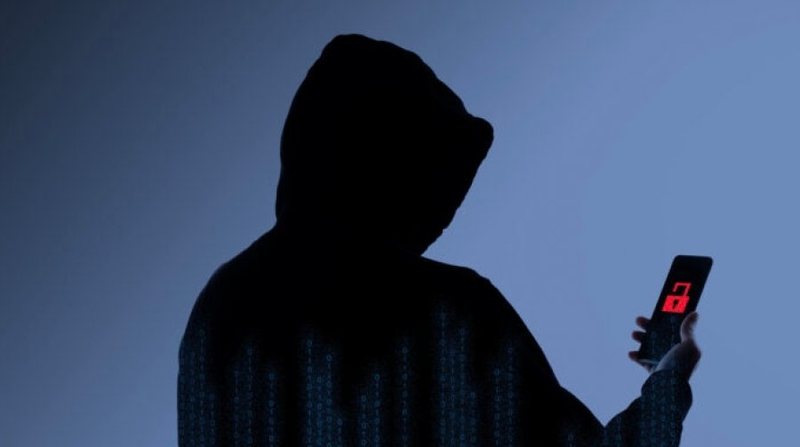
VOIP scams reach Albania, banks warn customers not to give card details over the phone
In recent days, there has been an increase in cases of fraudulent phone calls that use the name and logo of the bank to steal from citizens. The fraud scheme works through VOIP calls, where the fraudsters ask for bank card details, PIN and security codes, claiming that the communication is official. Be careful! Banks will never ask you for confidential data over the phone.
A phone call in English and a bank logo appearing on the phone screen. To many this might have seemed like a normal communication from the bank, but not to Fato Alliu.
She shares her experience with the suspicious phone call, which turned out to be a scam attempt.
"Yesterday around 4:00 PM I received a phone call in English. I immediately realized it was a scam, because I thought how could he ask for my card details. The logo of a second-tier bank appeared on the phone screen. Then I spoke to the bank and got the necessary clarifications," she says.
According to her, the name 'Revolut Bank' appeared on the phone screen but the person introduced himself as an employee of a second-tier bank.
"He introduced himself as an employee of a commercial bank and announced that there had been an attempt from the business card on the Amazon website in the Middle East. After I did not confirm the attempt on my part, he told me that the card would be blocked and in two days I would have to appear at the branch to get a new card. At this moment he asked me for the expiry date and I realized that it was a scam," says Alliu.
Fato's case is not isolated. In recent days, several similar calls have been reported, using VOIP technology, i.e. calls over the internet, to create the impression that the communication is coming from a bank.
According to a statement from the Albanian Association of Banks, in some cases the calls come from addresses with suffixes such as "@gmail" or other platforms, while the bank's name or logo may appear on the screen.
In fact, it is a fraud technique that uses manipulation of the caller's identity to gain the victim's trust.
During the calls, callers may communicate in different languages and claim to be verifying a suspicious transaction with a bank card. They then ask for information such as the card number, expiration date, or other security codes.
If this data is provided, fraudsters may gain access to the bank account.
Spiro Brumbulli, secretary general of the Albanian Association of Banks, says the cases were reported by a second-tier bank.
"There were several cases that were reported to us by a second-tier bank. The calls were from India. It's not massive, but it shouldn't be underestimated given the other cases of fraud. We issued a notification immediately so that we wouldn't have any victims," he says.
According to Brumbull, new communication technologies have made it easier for fraudsters to create false identities and call from different countries around the world.
"These fraud channels are spreading rapidly and we need to be prepared. It needs to be fixed in people's minds that banks do not ask for information over the phone," he says.
Banking sector experts warn that digital fraud has become a growing phenomenon, especially with the spread of online payments and remote banking services.
“All Albanian banks now offer internet banking, and at the end of last year the number of accounts connected to the internet reached approximately two million. Currently 49% of active accounts are accessible from the internet, up from less than 20% in 2020,” says Ersuin Shehu, deputy/editor-in-chief at “Monitor” magazine.
Shehu explains that this indicator is expected to increase with the expansion of the use of digital channels and their promotion by the banks themselves.
"Some banks already offer digital onboarding, which allows opening accounts without physically appearing at the bank, and it is expected that in the medium term this option will be widespread in all banks. This year will also bring the launch of the first exclusively digital bank, while there is also interest from other investors for similar profiles," he adds.
According to Shehu, the deepening of digitalization increases the number of potential victims of fraudulent schemes and it is expected that fraud attempts will continue.
"In addition to the challenges of maintaining the cybersecurity of systems and data, banks must continuously work to educate customers on the use of digital channels and instruments. For society, protection from cyber fraud should be part of general financial education," he concludes.
For this reason, banks advise customers to be wary of any phone call requesting personal or financial information. The Albanian Banking Association emphasizes that banks in Albania will never ask customers for bank card information, PINs or security codes over the phone.
If a customer receives a suspicious call, the advice is simple: do not provide any information and immediately end the communication. Thereafter, any communication should be verified only through official numbers published by the bank . /Faktoje/
Happening now...











Germany, the "curse" of Rama and Berisha
Nga Bato Kosova
ideas

When crisis becomes a system: Dilemmas of the Republic of Kosovo
Nga Sokol Neçaj


The opposition must and will be bigger than an individual.
Nga Taulanda Jupi
top



Alfa recipes



TRENDING 




services
- POLICE129
- STREET POLICE126
- AMBULANCE112
- FIREFIGHTER128