


FLASH NEWS
DW: France will build more new nuclear power plants, here's why

2024-01-08 17:24:20 / BOTA
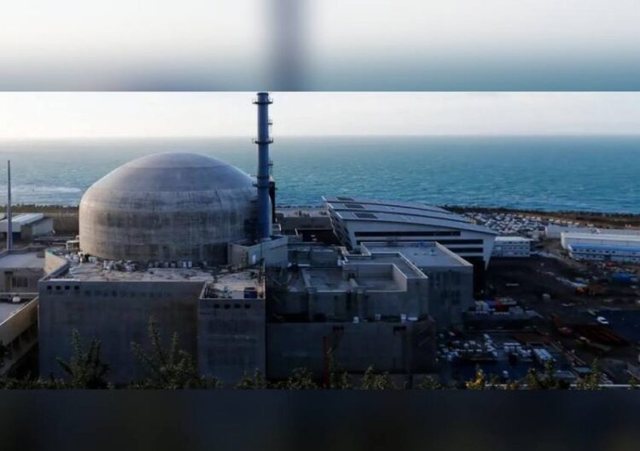
Unlike Germany, France is relying heavily on nuclear power to replace coal-fired power plants. France will build 14 new nuclear power plants, far more than planned.
France wants to build eight new nuclear power plants in the next few years, in addition to the six already planned - many more than previously planned. A current bill envisages, in addition to the six installed plants, the construction of eight more nuclear power plants, which until now had only been discussed as an "option" by the government, Energy Minister Agnès Pannier-Runacher told Tribune Dimanche newspaper. In total, the construction of 14 reactors is being discussed.
The EPR reactor model should revive nuclear power
Unlike Germany, France is relying heavily on nuclear power to replace coal-fired power plants and reduce CO2 emissions. The Paris government wants to reduce the share of fossil fuels in energy consumption from more than 60 percent currently to 40 percent in 2035.
According to the energy minister, this target calls for the construction of new power plants with a capacity of 13 gigawatts by 2026. This corresponds to the "power of eight" EPR-type reactors, Minister Pannier-Runacher declared, arguing that the current reactors will not last forever .
The French-developed EPR model, a third-generation pressurized water reactor, was supposed to revive nuclear power after the 1986 Chernobyl disaster and offer greater power with greater safety. Three pressurized water reactors of this type are in operation – one in Finland and two in China. However, construction in Finland has not been the only one to present problems – EPR projects in France and Britain have also experienced delays and drastic cost overruns.
The EU continues to allow public subsidies for nuclear power plants
According to French public energy group EDF, France's first EPR reactor is expected to be connected to the grid at Flamanville in Normandy in mid-2024 for testing purposes – 17 years after construction began and at a cost of 12.7 billion euros, four times more much more than originally planned.
As part of the planned reform of the European electricity market, public subsidies for nuclear power plants will continue to be allowed in the European Union in the future. The German government was committed to exclusively promoting renewable energies, but those who thought otherwise in the vote were more numerous. In Germany, the last three nuclear power plants were decommissioned in April 2023.
Happening now...












America may withdraw from Europe, but not from SPAK
Nga Gentian Gaba
ideas



top


Alfa recipes




TRENDING 




services
- POLICE129
- STREET POLICE126
- AMBULANCE112
- FIREFIGHTER128