


FLASH NEWS
Trade war with the US/Analysis: Why is China showing its dominance with rare earth minerals?

2025-04-18 08:05:53 / BOTA
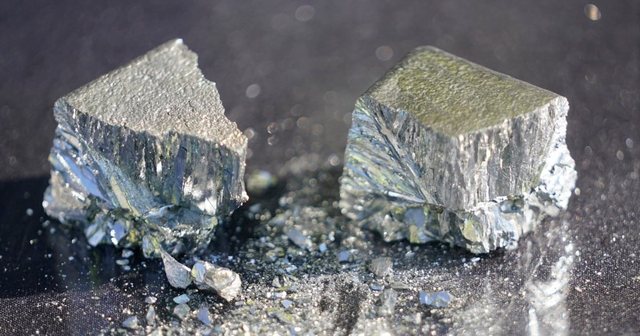
They have hard-to-pronounce names; they are essential to modern manufacturing and are increasingly moving to the center of the trade war between the United States and China. The global supply of these rare minerals — a group of 17 essential elements found in everything from electric vehicle batteries to critical defense technology — is largely controlled by China. Beijing is now seeking to use this strategic advantage in its ongoing trade spats and tensions with Washington.
In response to recent tariffs imposed by the United States, China has restricted sales to the United States of seven rare earth elements. While not a complete ban, the measure requires manufacturers to apply for export licenses from the Chinese government. Concerns are growing that this could lead to price hikes and supply disruptions, which could particularly affect American defense companies.
"What oil was for the 20th century, rare earths are for the 21st century," said Sean McFate, a professor at Syracuse University's Maxwell School for Citizenship and Public Affairs.
"Microchips, green technology and quantum computing all require rare earth minerals, and China has most of them. This is a national security issue that goes beyond the stock market ," he added.
China controls more than two-thirds of global rare earth production and over 90 percent of the processing capacity. It also has a virtual monopoly on the processing of heavy rare earth minerals, a subset used in the U.S. defense sector to produce powerful magnets needed for fighter jets, warships, missiles, tanks and lasers.
It remains to be seen how China will implement these new restrictions, but a report from the Center for Strategic and International Studies (CSIS) in Washington warns that they will likely cause disruptions to exports until Beijing brings in a licensing system, and will cause supply disruptions for some US companies, particularly those in the national security sector.
“The United States is particularly vulnerable to these supply chains ,” the April 14 report said. “Currently, there is no segregation of rare earth heavy minerals in the United States.”
Kufizimet e reja të eksportit zbatohen për shtatë elemente të rralla, të mesme dhe të rënda: samarium, gadolinjium, terbium, disprosium, lutetium, skandium dhe itrium - të gjitha të rëndësishme në sektorin e mbrojtjes.
Itriumi, për shembull, përdoret si mbështjellës për motorët e avionëve për t’i bërë ballë temperaturave të larta, për ta parandaluar shkrirjen e tyre gjatë fluturimit.
Derisa Pentagoni dhe firmat amerikane kanë rezerva, besohet se ato nuk janë të mjaftueshme për ta përballuar ndonjë ndërprerje të zgjatur të furnizimit. Përveç ndalimit të vetë elementeve, Pekini ka vendosur gjithashtu 16 entitete amerikane – të gjitha përveç njërës janë në industrinë e mbrojtjes dhe hapësirës – në listën e tij të kontrollit të eksportit, duke ua kufizuar atyre pranimin e mallrave me përdorim të dyfishtë, përfshirë elementet e rralla. Dimitar Gueorguiev, profesor në Universitetin Syracuse, thotë se ai e sheh këtë lëvizje të fundit më shumë si një sinjal nga Pekini për “aftësinë e tij për t’i kufizuar këto eksporte, nëse lufta tregtare përshkallëzohet më shumë”.
“Është e rëndësishme të kihet parasysh se shumica e importuesve kanë pasur këtë shqetësim prej kohësh dhe ka mundësi të jenë furnizuar për të paktën disa muaj”, tha ai.
Megjithatë, këto masa dhe mundësia për t’i përshkallëzuar ato janë mjet i fuqishëm për Kinën. Përveç aftësisë për t’i ndalur furnizimet, mbizotërimi i tregut nga Pekini ia lejon atij gjithashtu t’i diktojë çmimet, që do të thotë se mund t’i rrisë kostot për klientë të caktuar, ose t’i kufizojë furnizimet me minerale të rralla jashtë kontrollit të saj, duke mbajtur çmime të ulëta.
Kjo u pa edhe në masa të mëparshme të zbatuara nga Kina. Në vitin 2023, Pekini kufizoi eksportet e galiumit dhe germaniumit, që përdoren në çipa, radarë dhe satelitë. Kjo u pasua nga një ndalim i plotë i eksportit të tyre në SHBA në dhjetor 2024. Prej atëherë, çmimet janë rritur ndjeshëm dhe tregu global është fragmentuar. Galiumi i blerë nga vendet perëndimore është dy deri në tre herë më i shtrenjtë se ai i blerë në Kinë, sipas Project Blue.
Raporti i CSIS-it gjithashtu paralajmëron se e eksportit nga Kina paraqesin kërcënim të drejtpërdrejtë për gatishmërinë ushtarake të SHBA-së, duke shtuar shqetësimet e ngritura nga ligjvënësit dhe analistët se vendi po mbetet pas në prodhim në mbrojtje.
“Edhe para kufizimeve të fundit, baza industriale e mbrojtjes në SHBA luftonte me kapacitet të kufizuar dhe nuk kishte aftësinë për të rritur prodhimin për të përmbushur kërkesat teknologjike të mbrojtjes”, thuhet në raport.
The report’s authors cite an estimate – by a U.S. Air Force official in 2022 – that China is acquiring advanced weapons systems and equipment five to six times faster than the United States. Faced with pressure from China, experts say the U.S. should pursue policies to increase domestic production and seek new sources in other countries. Since the 1980s, the U.S. has been a leader in rare earth production, but rising prices led to the closure of the main mine, Mountain Pass, in California, in the early 2000s.
The mine has since reopened, and successive U.S. administrations, including President Donald Trump’s during his first term, have poured money into mining and refining rare earths. But competing with China for rare earths and other minerals is time-consuming and expensive. Some in the industry also say that other parts of Trump’s tariffs could have harmful side effects, making it difficult to ramp up production quickly. On the “Rare Earth Exchanges” podcast, industry entrepreneur Daniel O’Connor said that the materials being tarnished, such as steel and aluminum, are vital to mining and refining.
"Don't put tariffs on the things we need to build infrastructure," he said.
The US is also looking to secure supplies abroad, as the Trump administration seeks greater access to rare earths and vital minerals in Greenland and Ukraine, where Kiev and Washington are said to be close to a deal. Washington has also sponsored new mines in Brazil and South Africa, and is funding the first major heavy rare earths processing facility outside China, in Texas, although it will take years to deliver results. In the meantime, Beijing is expected to continue using rare earths as a tool of pressure on Washington.
"This has become part of Beijing's strategy when confronting the US ," Neil Shearing, an economist at Capital Economics, wrote on April 14./ REL
Happening now...













83 mandates are not immunity for Rama's friends
Nga Gentian Gaba
ideas

"Preliminary sentence for Belinda Balluku", response to Baton Haxhiu
Nga Blendi Kajsiu

Teatri që fsheh prapaskenën
Nga Patrik Sadikaj

Berisha's red line and the black line of democracy in the DP
Besmir Semanaj
top


Alfa recipes




TRENDING 




services
- POLICE129
- STREET POLICE126
- AMBULANCE112
- FIREFIGHTER128