


FLASH NEWS
From Pope St. Peter to Pope Francis/ Intrigue, resignation and suspicious deaths! A historical journey inside the Vatican's funeral ceremonies

2025-04-23 10:42:31 / BOTA
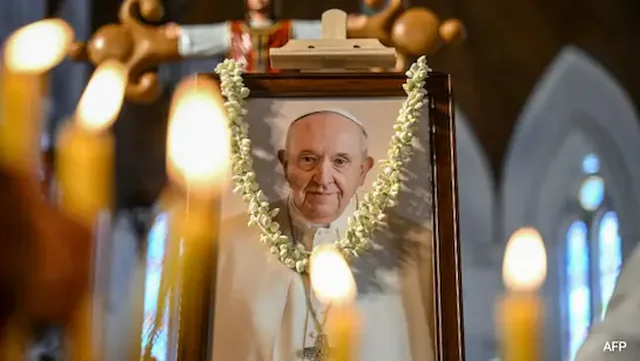
The history of the papacy is the history of the Catholic Church itself and at the same time a reflection of its influence on the Western world.
Since its founding by Saint Peter, the papacy has undergone a long and complicated journey, filled with power, intrigue, rare resignations, and deaths that often occurred under mysterious circumstances.
This article aims to narratively and analytically explore the life and death of each pope in history, placing them within the historical and cultural context of their time.
Early Antiquity (1st - 4th century)
The papacy began with Saint Peter, who is considered the first Pope and was crucified in Rome around 64 AD, during the reign of Emperor Nero. After him, most of his followers faced fierce persecution from the Roman authorities. Popes such as Linus, Cletus, and Clement I lived in uncertain times, and many of them died as martyrs. Their deaths were often the result of the faith they preached, being condemned to death by emperors who considered Christians a threat to public order. Until the Edict of Milan in 313, the popes lived in secret and exercised mainly spiritual power.
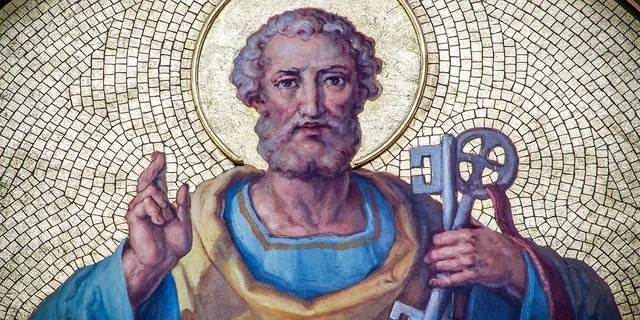
After the Edict of Milan (4th - 8th century)
With the legalization of Christianity and its transformation into the official religion of the Roman Empire, the popes acquired a new status. Their roles changed from martyrs to leaders of a law-abiding community, and later even politically powerful. Popes such as Damasus I, Leo I, and Gregory I distinguished themselves not only as defenders of the faith, but also as negotiators with barbarian powers and preservers of civil order. Their deaths, although less dramatic, did not remove them from the challenges of the time, as they were often at the center of conflicts between the Empire and the Church.
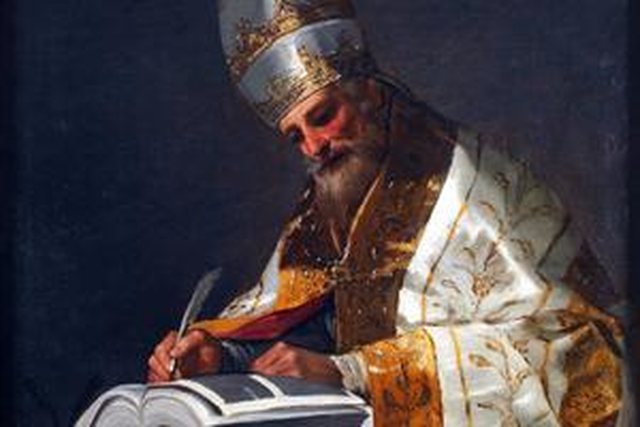
Middle Ages (9th - 14th centuries)
The Middle Ages marked a turbulent and often dark period for the papacy. Conflicts between popes and emperors, simony, and the emergence of antipopes created deep tensions within the Church. Popes such as Benedict VI, who drowned in prison, and John VIII, suspected of poisoning, were victims of political intrigue. Many popes died under suspicious circumstances, and their places were often taken by candidates nominated by powerful Roman families. The Great Western Schism in the late 14th century divided the Church and brought about a period in which two or even three popes claimed the throne of St. Peter, deepening the crisis.
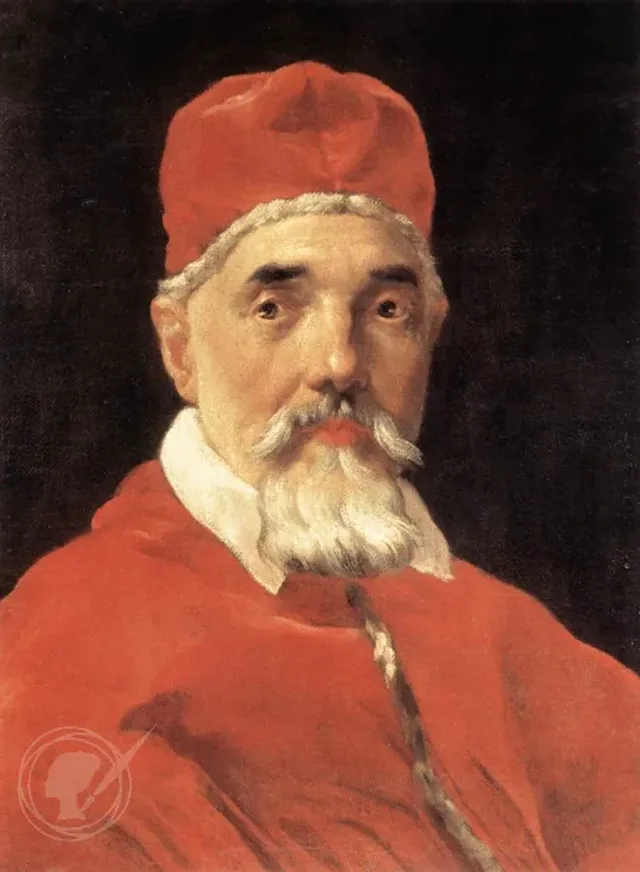
Renaissance and Reformation (15th - 17th centuries)
The Renaissance brought the papacy to the center of art, but also of corruption. Popes like Alexander VI (Borgia) symbolized the papacy's deep connection with political power and luxurious living. Family intrigue, nepotism, and a thirst for power led to some of the popes of this period dying under suspicious circumstances. Meanwhile, some, like Pius V, lived a simple life and were canonized. The Protestant Reformation, led by Luther, shook the foundations of the papacy, calling it the "Antichrist" and contributing to the spread of heresies and the great division of Christianity.
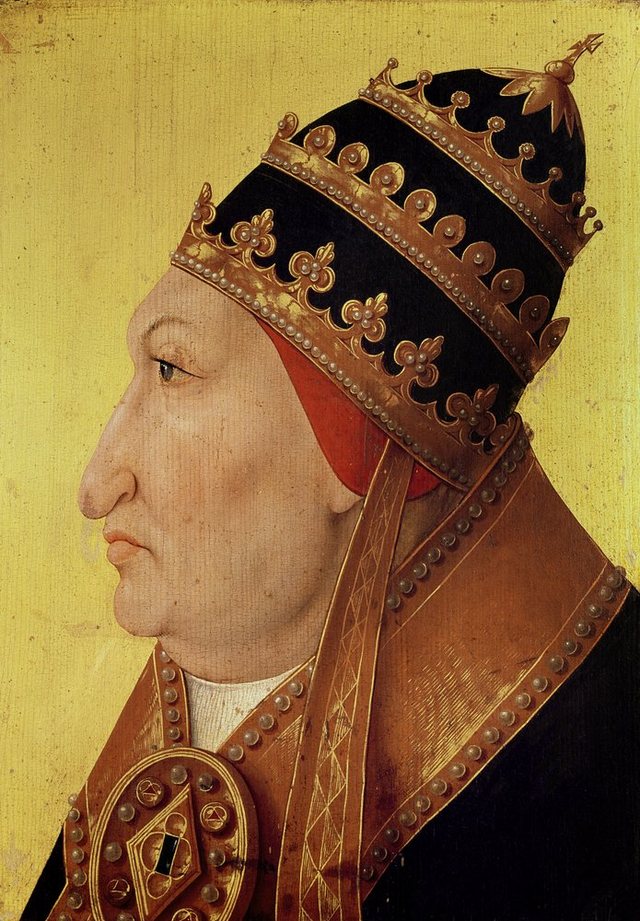
Modern Times (18th - early 20th centuries) These centuries were characterized by external challenges to papal authority. The French Revolution, the secularization of European states, and the Napoleonic conquests weakened the power of the Popes. Pope Pius VI was arrested and died in exile. The death of Pope Pius IX in 1878 marked the end of the papacy as a territorial ruler of the Papal States and the beginning of a new era in which the pope appeared more as a spiritual leader. This period overthrew the idea of princely popes and transformed the papacy into a function of moral and worldly importance.
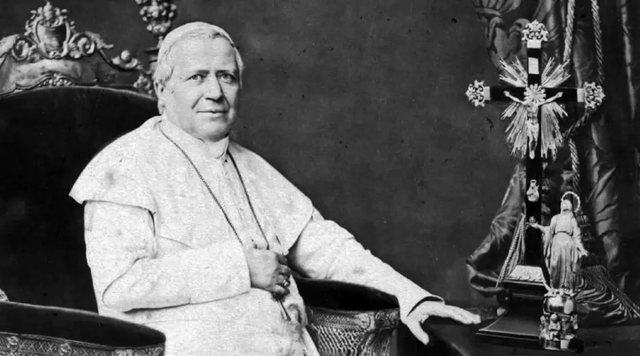
The 20th and 21st Centuries to Pope Francis During the 20th century, popes assumed an increasingly important role on the international stage. Pius XII led the Church through World War II, while John XXIII convened the Second Vatican Council, paving the way for modernization. Pope John Paul I, who died just 33 days after his election in 1978, remains one of the most enigmatic figures and the subject of conspiracy theories.
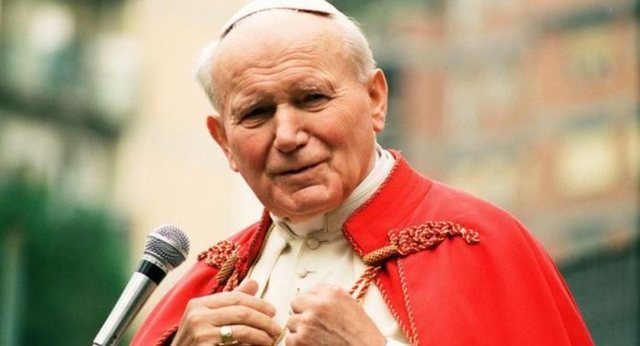
After him, John Paul II, one of the most beloved popes, became a symbol of hope and resilience. Benedict XVI's resignation in 2013 was a sudden and historic act, as it was the first time since 1415 that a pope had resigned voluntarily.
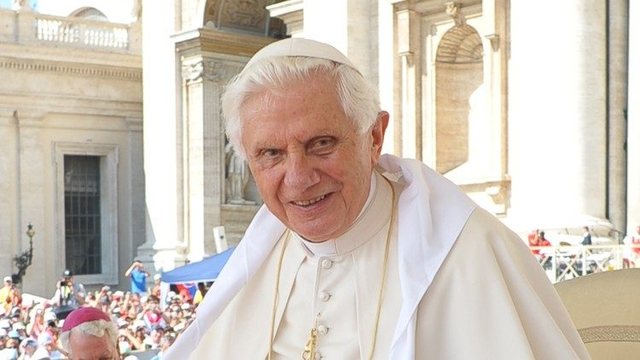
Pope Francis, on the throne since 2013, has brought a new spirit of reform, simplicity, and social commitment.
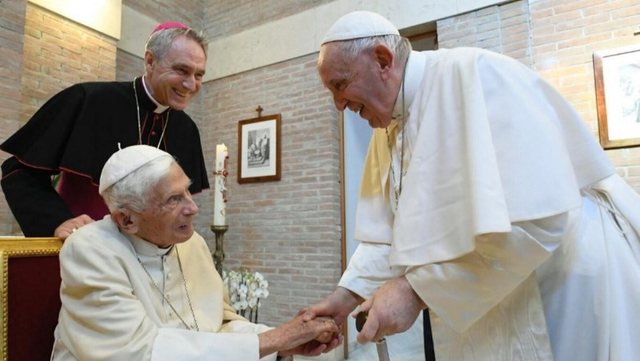
The history of the papacy is a long journey between faith and power, between sacrifice and luxury, between holiness and intrigue.
The death of each pope is more than the end of a life; it is a reflection of the times, crises, and aspirations of the Catholic Church.
From early martyrs to today's global leaders, popes have built an indelible history, where death is often a dramatic final act on a complex world stage./ alfapress.al
Happening now...










83 mandates are not immunity for Rama's friends
Nga Gentian Gaba
ideas

"Preliminary sentence for Belinda Balluku", response to Baton Haxhiu
Nga Blendi Kajsiu

Teatri që fsheh prapaskenën
Nga Patrik Sadikaj

Berisha's red line and the black line of democracy in the DP
Besmir Semanaj
top



Alfa recipes




TRENDING 




services
- POLICE129
- STREET POLICE126
- AMBULANCE112
- FIREFIGHTER128