


FLASH NEWS
"Uncertainty in the Strait of Hormuz"/ "Wall Street Journal": Trump is preparing for a prolonged blockade on Iran

2026-04-29 19:01:54 / BOTA
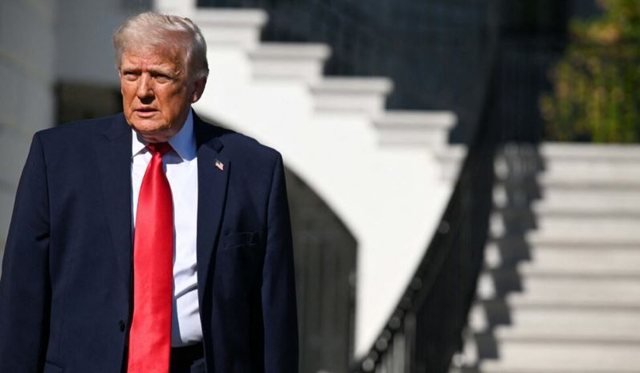
"US President Donald Trump has instructed his aides to prepare for a prolonged blockade on Iran," writes the American newspaper The Wall Street Journal.
According to US officials quoted by the American newspaper, in recent meetings Trump seemed determined to continue the pressure on the Iranian economy and oil exports, blocking maritime transport to and from the country's ports.
Under this stance, the United States could enter a prolonged period of largely frozen hostilities without a lasting resolution to the conflict. Meanwhile, uncertainty over the status of navigation in the Strait of Hormuz continues.
The US is blocking ships going to or from Iranian ports, trying to deprive the country of oil revenues, while Iran is also blocking passage through the strait.
Earlier on Tuesday, Trump said Iran had asked the United States to lift its naval blockade of the strait, as the two sides continue negotiations to end the two-month war, which has disrupted global energy supplies.
"Tehran wants the critical oil and gas transportation corridor to open 'as soon as possible' while it tries to resolve internal leadership issues," Trump said in an earlier post on Truth Social, adding that Iran is "falling apart."
Iran has signaled it is willing to accept a temporary deal to reopen the strait in exchange for ending Washington's blockade of Iranian ports, while pushing through complex negotiations over the country's nuclear program. It insists on maintaining some control over shipping through the strait, something Washington is unlikely to accept.
Trump rejected Iran's proposal, according to WSJ, and said it revealed that Iran was not negotiating in good faith. Mediators in Pakistan expect Iran to present a revised proposal to end the war in the coming days, CNN reported yesterday, citing sources close to the mediation process.
The price of Brent crude oil rose again and stood above $111 per barrel, as concerns escalated that peace processes are not nearing completion, meaning the Strait of Hormuz will remain closed for a longer period of time.
The impact of the war was underlined by the United Arab Emirates' announcement on Tuesday that it was withdrawing from OPEC, dealing a blow to the oil cartel and its leader, Saudi Arabia.
The United Arab Emirates, which can produce more crude oil than its OPEC quota allows, has long expressed dissatisfaction with the restrictions it imposes.
The warring parties began a ceasefire on April 7, but hostilities are likely to continue unless there is an agreement for new talks, following the fruitless first round in Pakistan.
Iran's proposal to end the war is "better than we expected," US Secretary of State Marco Rubio told Fox News.
Foreign leaders, for their part, seem increasingly frustrated with the diplomatic stalemate and ongoing "blockade" in the critical sea route, which has led to fuel rationing across much of Asia and Africa and is intensifying fears of a global economic slowdown.
Happening now...








ideas



top


Alfa recipes








services
- POLICE129
- STREET POLICE126
- AMBULANCE112
- FIREFIGHTER128