


FLASH NEWS
Between deadlock and state-building: Why compromise for the President is the only rational path in Kosovo

2026-04-25 22:21:20 / IDE
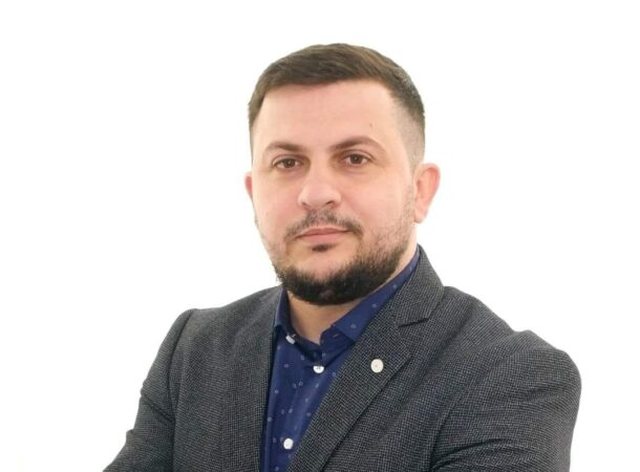
In the pure theory of a parliamentary republic, the path to electing the Head of State is limited to three clear paths: the strength of the majority's numbers, compromise for a consensual figure across the parties, or—in case of failure—going to early elections in the hope that a new configuration will resolve the impasse. Due to its history and specifics, Kosovo should not depart from this form of regime, but this requires political actors to accept the rules of the game: the minority cannot dictate its will to the majority.
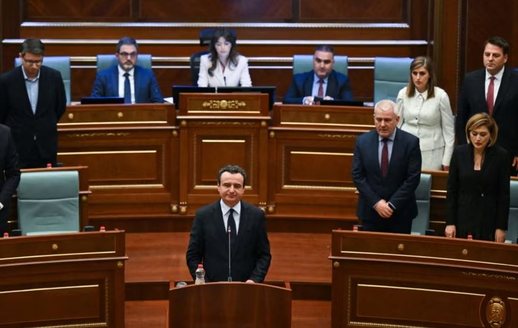
Today, in the political landscape of Kosovo, we are witnessing a paradox that requires deep reflection. The minority can refuse compromise and send the country to elections, but this action makes political sense only if it claims that it can win them. However, reality speaks differently. Nothing essential has moved in the ranks of the opposition to guarantee a major overthrow, just as nothing has changed in the camp of Albin Kurti, who remains the most voted and most powerful leader in the country.
The current crisis does not favor the majority nor does it harm Kurti, but it severely harms Kosovo, which in these decisive moments continues to lack a complete picture of its institutions.
In this climate, the personalization of politics by the minority, turning institutional dissent into a personal relationship against Kurti, is not a rational political line. On the contrary, this can be considered a primitive and desperate behavior that demonstrates the inability to produce real alternatives. Insisting on early elections, without any change in the electoral base, is neither a sign of strength nor patriotism; it is simply a blockage that produces regression and weakens the state in the face of external challenges.
If there are no fundamental changes on the ground, new elections would simply recycle the same result, wasting time and resources. The most rational path for the opposition remains the acceptance of a figure on the parties who does not come from the ranks of active politics. This compromise is not surrender, but an act of maturity that serves the stability of the Republic and gives the minority time to reorganize. By avoiding hopeless elections, the opposition gains the opportunity to build a credible alternative, while the exercise of power naturally consumes Kurti's figure until the next regular elections. After all, in a parliamentary system, the step back to accept a compromise is often the surest push towards tomorrow's power.
Happening now...






ideas



top

Alfa recipes







services
- POLICE129
- STREET POLICE126
- AMBULANCE112
- FIREFIGHTER128