


FLASH NEWS
Political impasse/REL: Kosovo on the verge of new elections, parties continue disagreements over the country's new president

2026-04-25 22:13:46 / KOSOVA
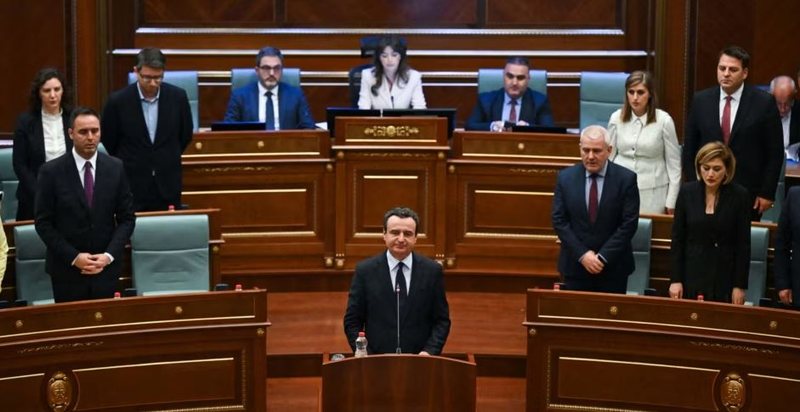
Kosovo appears to be heading towards early parliamentary elections – the third in about a year and a half – as Prime Minister Albin Kurti’s ruling party, the Vetevendosje Movement (LVV), and the two largest opposition parties, the Democratic Party of Kosovo (PDK) and the Democratic League of Kosovo (LDK), continued to have major differences of opinion even after Kurti’s latest offer on Saturday, for a deal on the country’s new president, to avoid new elections.
The country will go to new parliamentary elections if a new president is not elected within a constitutional deadline of Tuesday, April 28.
The LVV offered PDK and LDK time until Sunday to jointly present three non-partisan candidates for the next president of Kosovo.
The ruling party stated on Facebook that it would withdraw its candidates – Deputy Prime Minister and Foreign Minister Glauk Konjufca and MP Fatmire Mulhaxha-Kollçaku – from the presidential race if the two opposition parties submit the three required names.
She said that all three candidates must be "unifying figures, with high civic and national integrity, with proven contribution to professional and social life, and outside the current political scene."
However, this new offer has been described as "frivolous" by these two parties.
PDK Chairman Bedri Hamza told reporters before a parliamentary session that "I have said before that the president's issue is closed for PDK."
He described LVV's latest offer as a "frivolous offer", saying: "It's not an offer. It's not an offer for us. What offer? Not serious at all. We are different political parties. LDK is a political entity in its own right. PDK is a political entity in its own right."
LDK leader Lumir Abdixhiku said that the issue of electing the president is too serious to be discussed through social networks, after LVV announced the offer on Facebook.
He said that if Kurti wants a political agreement with the LDK, he should do it only with the LDK, adding that his offer "seems more like a political maneuver, because Kurti wants 90 votes and with the LDK he won't have 90 votes, let alone with the PDK."
Abdixhiku wrote on Facebook that the LDK is ready to nominate the current president, Vjosa Osmani, for a second term, if the LVV guarantees her 66 votes.
"If you want a political agreement with the LDK, then talk to us. We propose the president with full responsibility. We can also propose Vjosa Osmani, if you guarantee us 66 votes for her," said Abdixhiku, whose party has 15 seats in the Assembly.
Donika Emini, hulumtuese në Grupin Këshillues për Politikat e Ballkanit në Evropë – BiEPAG, tha për Radion Evropa e Lirë se oferta e LVV-së për opozitën mund të lexohet si “një lëvizje taktike dhe jo si një hap i mirëfilltë drejt kompromisit”.
“Po të kishte pasur vërtet gatishmëri që opozita të propozojë kandidatët e saj, kjo do të ishte bërë shumë më herët dhe në mënyrë më konstruktive, jo në moment të fundit dhe nën presion afatesh. Vetë koha e ofrimit, në prag të afatit dhe gjatë fundjavës, e kufizon hapësirën e opozitës për t’u koordinuar, gjë që duket e qëllimshme”, tha Emini.
Ajo vlerësoi se oferta është pothuajse “një ultimatum” dhe se njëkohësisht e vendos opozitën përballë nevojës për t’u bashkuar shpejt, ndonëse PDK dhe LDK kanë pasur vështirësi të vazhdueshme për të bashkëpunuar, madje në disa raste edhe për t’u takuar mes vete.
“Kjo i shërben narratives së Vetëvendosjes ‘ne kundër të gjithëve’, një narrativë që opozita deri tani ka arritur disi ta kundërshtojë përmes bashkëpunimit”, theksoi Emini.
Emini shpjegoi se partia në pushtet nuk jep garanci as në ofertën më të fundit se një kandidat i opozitës do të votohej nga ajo dhe ngriti një paralele me rastin e ish-presidentes Vjosa Osmani, të cilës i ishte premtuar ndihma për të garuar, po jo edhe për t’u zgjedhur.
“Nga njëra anë, opozita ftohet të propozojë emra dhe u garantohen nënshkrimet për nominim. Nga ana tjetër, nuk ka asnjë garanci që këta kandidatë do të marrin votat në Kuvend. Pra, nominimi hapet, por zgjedhja mbetet nën kontrollin e Vetëvendosjes. Në të njëjtën gjë e kishte bërë edhe me figura si Vjosa Osmani, të cilës iu garantuan nënshkrimet për nominim, mirëpo jo për votim”, nënvizoi ajo.
Emini vuri re se kjo lëvizje e Kurtit e vë opozitën në provë dhe se, nëse ajo e refuzon përfundimisht, mund të shihet si “bllokuese”.
“Në letër, Vetëvendosje mund të pretendojë se ka ofruar dialog dhe hapësirë për propozime, por në thelb bëhet fjalë për kompromis sipas kushteve të saj. Nëse opozita refuzon ose nuk përgjigjet, rrezikon të shihet si bllokuese dhe jo e gatshme për kompromis, me kosto politike për të”, tha ajo.
Në këtë kuptim, sipas Eminit, kjo është një lëvizje e kalkuluar politikisht nga Kurti, sepse “e shfrytëzon avantazhin aktual, rrit presionin mbi opozitën dhe siguron që, pavarësisht rezultatit, opozita të mund të paraqitet si përgjegjëse për vazhdimin e bllokadës, sidomos duke pasur parasysh mungesën e strategjive të tjera përtej bllokimit të votave”.
Emini përfundoi se opozita duhet të propozojë emra dhe ta hedhë topin në fushën e Kurtit. Oferta e LVV-së vjen pas dështimit të bisedimeve mes Kurtit dhe liderëve opozitarë, Bedri Hamzës së PDK-së dhe Lumir Abdixhikut të LDK-së, të cilët nuk i kishin pranuar propozimet e kryeministrit.
Kurti had offered the LDK the post of deputy prime minister and four ministries, and in a second offer the post of speaker of parliament. He had also offered the post of speaker of parliament to the PDK. The LDK had rejected these offers and accused Kurti of aiming to control all three main institutions in the country.
The PDK had refused to consider Kurti's offer at all, calling "our contribution" to the president's issue closed.
The Prime Minister has reiterated that his rejected offer was "generous" and has warned of snap elections if there is no agreement on a president.
The President of Kosovo is elected with two-thirds of the votes in the first two rounds of voting, or with 61 votes in the third round, but 80 deputies are needed in the chamber for the session to be held.
Therefore, an agreement between parliamentary parties is needed on this issue, given that no party – not even Kurti's ruling party with 57 MPs – has such a large number of MPs in the 120-seat Parliament.
A constitutional deadline for electing a president expires on April 28, and if a president is not elected by then, Kosovo will hold new elections within 45 days.
Meanwhile, after Vjosa Osmani's term ended earlier this month and the country failed to appoint her replacement, the Speaker of the Parliament, Albulena Haxhiu, was appointed acting president on April 4.
Previous attempts to elect a new president for the country failed as neither side seemed willing to make concessions.
In a session on March 5, the ruling party had presented Konjufca and Kollçak for a vote, but the session was not held due to a lack of quorum, after the opposition left the hall.
On March 6, former President Vjosa Osmani issued a decree dissolving the Assembly and paving the way for new elections. Osmani herself was aiming for a second term, but failed to secure the necessary support in this regard.
The decree was overturned by the Constitutional Court after an appeal by the government. The highest court in Kosovo said the decree had no legal effect and set April 28 as the deadline for the presidential election.
If Kosovo is forced to hold elections this year, they would be the third parliamentary elections after those in February and December 2025. /REL
Happening now...





ideas


top

Alfa recipes








services
- POLICE129
- STREET POLICE126
- AMBULANCE112
- FIREFIGHTER128