


FLASH NEWS
Why is Greece experiencing so many earthquakes now and should we be worried?

2025-06-10 07:12:42 / BOTA
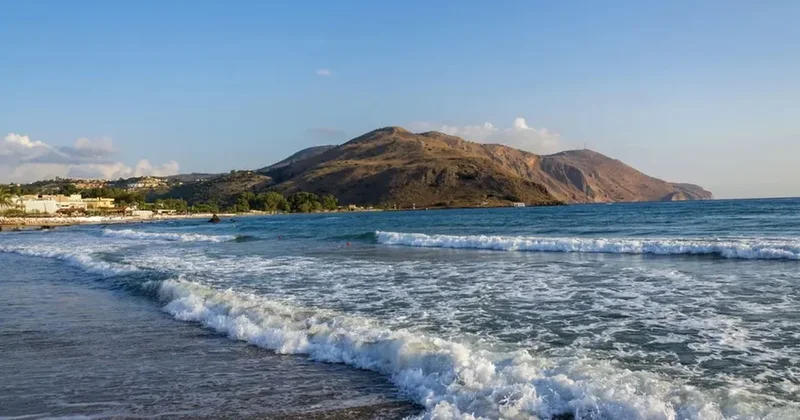
Summer has already begun, but holidaymakers planning to go to Greece could find their trips at risk – due to the many earthquakes that are occurring.
From late January to mid-April, Santorini was in a state of emergency when hundreds of earthquakes continued to hit the island without any explanation, sparking fears of volcanic activity.
Just a few weeks ago, another Greek island, Crete, was hit by a magnitude 6.1 earthquake on May 22, puzzling scientists about why tremors continue to occur in that part of the world – and whether people should be concerned.
While no injuries or major damage were reported, the earthquake, which struck at 6:19 a.m. local time, prompted locals and tourists to be ordered to leave the coast after sparking fears that a tsunami could follow.
Social media posts documented how frightening the shaking was in the area.
Most recently, on June 3, a magnitude 5.8 earthquake struck 29 km north of Rhodes, Greece, shaking both Turkey and the islands.
Travel agency TUI warned tourists in the region to "remain calm and follow any safety instructions given by local officials."
While experts have been puzzled by the sudden influx of earthquakes in the Mediterranean, there may be some logical reasons at play.
First, Greece is known for earthquakes and has approximately 25,000 of them every year – some of which are not even felt on the ground.
Its location means it sits on the edge of the African and Eurasian tectonic plates, also known as the Hellenic subduction zone. The African plate is constantly moving north beneath the Eurasian plate, causing tremors.
Moreover, the climate crisis is only intensifying this, with stronger storms and small pressure changes causing seismic landslides.
The good news is that at the moment, travelers are not being warned against going to that part of the world, so you can still enjoy your vacation – but unfortunately, these phenomena will undoubtedly continue to become more common.
The UK Foreign, Commonwealth and Development Office currently has no travel advice regarding Crete or Greece as a whole, meaning it should be safe to travel to the country.
The FCDO has guidance in place for Turkey – but not for earthquakes – but rather for the ongoing fighting in Syria. “The FCDO advises against all travel within a 10km radius of the Syrian border due to fighting and an increased risk of terrorism,” their website states.
Happening now...
















83 mandates are not immunity for Rama's friends
Nga Gentian Gaba
ideas



top



Alfa recipes




TRENDING 




services
- POLICE129
- STREET POLICE126
- AMBULANCE112
- FIREFIGHTER128