


FLASH NEWS
Foreign students in Bulgaria complain of increasing racism and attacks

2024-03-21 08:52:55 / BOTA
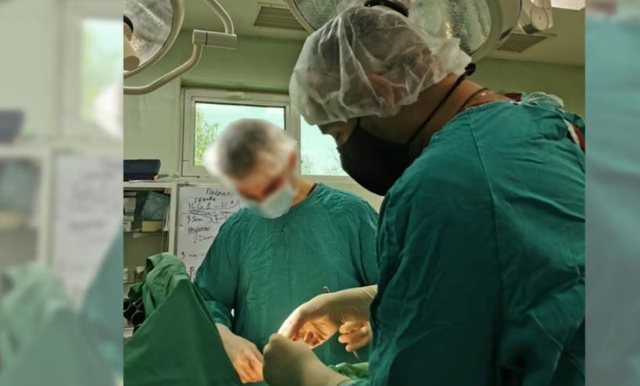
His work ethic and ability to speak the local language have earned Aysar - which is not his real name - many fans at a hospital in Bulgaria where he often does volunteer work. But not everyone seems to be so kind. Aysar said that some staff members at the hospital, where he works during a break from his medical studies, have made it clear to him that he is not welcome.
" It is racism. I've seen how [this colleague] treats Bulgarian students and white foreign students and how she treats me too ," Aysar told RFE/RL's Bulgarian Service. He was born in Germany to Pakistani parents, but has spent most of his life in Britain. Aysar is one of the thousands of foreigners now studying at universities in Bulgaria. The fees they pay increase state funding for the education system. However, recent attacks on foreign students highlight what activists say is growing xenophobia in Bulgaria.
Some of the attacks have been fueled by the spread of misinformation on social media, including some baseless claims, recently circulated, that Bulgaria is on the verge of a wave of illegal immigrants. "This has nothing to do with the students. It is about the xenophobia shown in society and the violence on the streets, whether verbal or physical," Iliana Savova, director of the refugee program at the Bulgarian Helsinki Committee, a non-governmental organization for the protection of human rights, told REL. .
"It is extremely disturbing in a European society in the 21st century that we still witness such hate crimes. And, it is more worrying that they are politically motivated," said Bistra Ivanova, head of the Multicultural Collective, a key non-governmental organization in Bulgaria working on the integration of immigrants and refugees.
Racism has plagued Bulgaria, as the country's large Romanian community can attest, often fueled by nationalist and xenophobic parties and their associated media. But Sofia has also taken steps to combat this. In July 2023, the Bulgarian National Assembly – the state parliament – approved new amendments to the Criminal Code, which provide for harsher penalties for crimes deemed to have racist or xenophobic motives.
Allegation of sexual harassment
Aysar, i cili është student i vitit të fundit të mjekësisë në Universitetin e Mjekësisë të Plevenit, tha se planifikon të kthehet në Britani sapo ta marrë diplomën e mjekësisë. Aysar tha se përvoja e tij në Pleven, një qytete në veri të Bullgarisë me afër 90.000 banorë, ka qenë kryesisht pozitive, por tha se ai shpesh është përballur me abuzim verbal, një ankesë e zakonshme në mesin e të huajve të tjerë, të cilët shpesh thonë se veçohen pasi që nuk mund ta flasin mirë, ose fare gjuhën bullgare. Por, armiqësia me të cilën u përball nga kolegët e tij në spitalin në Pleven e ka lënë atë të shtangur. Një anëtar i stafit, kujtoi ai, e kërcënoi se do ta dëbonte. “Një herë u kërcënova [nga njëra prej kolegeve] se ajo do të bisedonte me kreun e këshillit studentor dhe me rektorin që të ma ndalonte shkuarjen në spital”, tha Aysar për REL-in.
Një tjetër pjesëtar i stafit, që deshi të mbetet anonim, la të kuptohej se Aysar, i cili është i martuar, kishte ngacmuar koleget në spital, një akuzë që ai e mohon. “Ai duhet të lë të qeta vajzat bullgare, sepse ato janë vetëm për ne, për meshkujt bullgar”, tha ai për REL-in. Aysar është një prej mijëra studentëve të huaj që studiojnë në universitete në Bullgari dhe përvoja e tij është e ngjashme me shumë studentë të tjerë, sipas ekspertëve. Vetëm në javët e fundit, Bullgaria ka qenë dëshmitare e dy incidenteve të profilit të lartë, ku kanë qenë të përfshirë shtetasit e tuaj, shumica, mos thënë të gjithë, studentë universitarë, të cilët duket se në shënjestër vetëm për shkak të ngjyrës së lëkurës të tyre.
Më 7 mars, studentët britanikë të mjekësisë nga Universiteti i Plovdivit u ngacmuan në një ndalesë turistike afër fshatit Hrabrino. Ky grup u ndalua shkurtimisht nga vendësit, të cilët ishin të bindur se studentët ishin emigrantë të jashtëligjshëm. Një ditë më vonë në Sofje, më shumë studentë britanikë të mjekësisë, po ashtu me prejardhje pakistaneze, u sulmuan në qendër të kryeqyteti bullar. Policia e cilësoi këtë incident si “tentim vjedhje”, në vend se ta cilësonte si sulm racist. Sipas Ivanovës, racizmi është ende i përhapur nëpër Bullgari, e cila ka një shoqëri tradicionalisht konservatore.
“Derisa burrat shpesh fyhen, kërcënohen fizikisht dhe, nganjëherë, madje rrihen, gratë ‘gëzojnë’ vëmendje agresive seksuale dhe ndiqen gjithashtu për qëllime seksuale, sepse ato janë ‘tërheqëse’ dhe ‘të huaja’. Në vend se të ndihen të lajkatuara, shumica e vajzave dhe grave përjetojnë stres të vazhdueshme dhe frikë nga dhuna”, tha Ivanova. Problemi i racizmit, i cili ka qenë gjithmonë i pranishëm, u keqësua në vitin 2013. Në atë kohë, Bullgaria u përballë me valën e parë të madhe të emigrantëve – shumica e të cilëve kishin ikur nga konflikti në Siri – që kërkonin mbrojtje, sipas Iliana Savova nga Komiteti bullgar i Helsinkit.
" Since then, hatred towards foreigners has been deliberately, systematically and proactively introduced into society, because this is a classic method to divert attention from the inability to lead the country and from your bad deeds, such as corruption ," said Savova. Now, fear is spreading in Bulgaria, after rumors that the country could face a new wave of immigrants. These unfounded fears concern Bulgaria's (and Romania's as well) soon - at least partial - entry into the Schengen Area, which allows the free movement of people between 27 European countries - 23 EU countries plus Iceland, Liechtenstein, Norway and Switzerland. From March 31, there will be free movement for those arriving by plane or ship in Bulgaria and Romania as well. It is not clear when the land borders will be opened.
Recent incidents in Sofia involving foreign students and refugees have prompted calls from some politicians for an increased police presence on the streets. Amid rising tensions, several hundred people protested in Sofia on March 12 near a refugee center in the Ovcha Kupel neighborhood, demanding its closure. This anti-immigrant sentiment has been fueled in part by comments from senior politicians, including Boyko Borisov, the country's former prime minister and current leader of the center-right GERB party, and Delyan Peevski, a blacklisted politician. of the United States and a member of the Liberal Movement for Rights and Freedom.
Borisov, whose party is part of the government coalition, and Peevski, whose party supports the Government, have recently called for the reinforcement of Bulgarian border police forces, despite no increase in incidents involving migrants at the border in last year, according to Interior Minister Kalin Stoyanov. Less well-known politicians have made even more unsustainable claims.
A few months ago, the far-right party Revival and There Is Such a People spread misinformation that Austria was asking Bulgaria to accept 6,000 Afghan and Syrian refugees so that Vienna would no longer oppose the full entry of Sofia and Bucharest in the Schengen Area. To combat misinformation and disinformation, the Government, together with the media and NGOs, should do more to show what good foreigners can bring to Bulgaria, Ivanova said, saying that Bulgaria would only benefit from this. " Bulgarian economy needs foreigners and all of us will win if we manage to keep them and integrate them successfully, because they are an asset, this threat ", she added.
-
-

More work does not always mean more money
March 21, 08:28
Happening now...



America may withdraw from Europe, but not from SPAK
Nga Gentian Gaba
ideas

top


Alfa recipes



TRENDING 




services
- POLICE129
- STREET POLICE126
- AMBULANCE112
- FIREFIGHTER128