


FLASH NEWS
Balkans Poll: Young People in Kosovo and Albania More Willing to Protest Against Autocracy

2026-06-17 09:45:27 / EKONOMI&SOCIALE
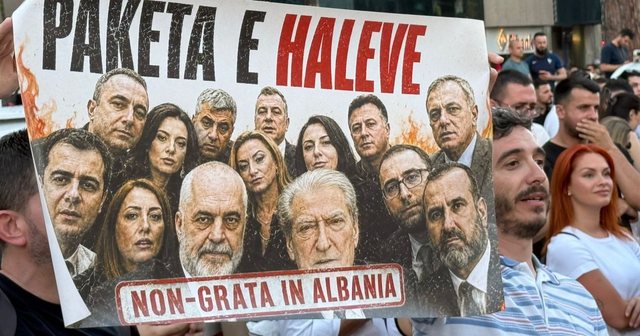
Authoritarian regimes remain a worrying problem for democracies in the Western Balkans, but the results of a survey conducted in 2025 with 6,000 young people (16-28 years old) from 6 countries show that there is still an active mass that believes in street protests as a means of response.
The recent study "Pulse of Democracy: Gen Z in the Western Balkans" found that an average of 40.0% of young people declare that they would immediately protest in the squares if their freedom were threatened by the extension of their leader's autocratic power.
Almost one in five young people in the region (21.0%) expressed complete indifference, saying that they “wouldn’t mind” changing the autocratic regime. 8.3% of respondents said they would limit themselves to virtual reactions via social networks, and another 5.8% immediately chose the path of emigration. Only a negligible minority of 5.7% at the regional level openly supported the autocratic regime, while 17.5% were undecided about the path they would follow.
The survey found that in Kosovo, Albania and Serbia, young people are more willing to defend themselves from autocratic regimes. In contrast, Montenegro and Bosnia are more likely to open the way to authoritarian regimes.
Kosovo's youth have the highest willingness to protest
The survey results show that Kosovo has the highest level of political awareness in the region. Young people there also show the greatest willingness to defend the constitutional and democratic order through protests.
According to data, 63% of Kosovo's youth are ready to take to the streets against any leader who tries to seize power unfairly or illegally.
Meanwhile, only 12.7% of young people from Kosovo show indifference, one of the lowest levels in the region. The percentage of those who would choose to leave the country in the event of an autocratic regime is 4.6%, while 4.5% would only engage online.
Likewise, the level of indecision is low, at 9.8%, which indicates that the majority of citizens have clear and determined positions.
Albania, resistance and emigration
In Albania, civic reaction remains above the regional average, with 47.8% of respondents declaring that they would protest to oppose an autocratic government. Albanian youth also show high sensitivity, with only 12.9% expressing indifference, the lowest level in the Region after Kosovo.
Sidoqoftë, ajo që e dallon Shqipërinë nga vendet e tjera është përqindja e lartë e qytetarëve që e shohin autoritarizmin si një shtysë të drejtpërdrejtë për t’u larguar nga vendi. 10.1% e shqiptarëve do të zgjidhnin të emigronin menjëherë, shifra më e lartë në të gjithë Ballkanin Perëndimor. Sakaq mbështetja për një regjim autokratik është nga më të ulëtat në Rajon, me vetëm 3.4%.
Serbia, një shoqëri e polarizuar midis rrugës dhe indiferencës
Të dhënat për Serbinë dëshmojnë për një polarizim të thellë social. Nga njëra anë, gatishmëria për të protestuar është mjaft e lartë, duke përfshire 47.6% të të rinjve në rast të një regjimi autokratik, pothuajse në të njëjtat nivele me Shqipërinë.
Nga ana tjetër, shkalla e indiferencës është gjithashtu e konsiderueshme, ku 23.9% e të rinjve thonë se nuk do t’u bëhej vonë për fatet e demokracisë. Aktivizmi digjital kap shifrën 8.9%, ndërsa vetëm 3.3% do të mendonin largimin e menjëhershëm nga vendi. Serbia shfaq një vendosmëri relativisht të lartë në përgjigje, me vetëm 9.2% që janë deklaruar të pavendosur “nuk e di” si do të veproj në rastin e një regjimi të tillë.
Mali i Zi pritje më të lartë ndaj autokracisë
Mali i Zi përfaqëson pikën më kritike në Rajon, duke shfaqur nivelet më të ulëta të rezistencës dhe ato më të lartat të pasivitetit apo pranimit të autoritarizmit. Vetëm 22.2% e të rinjve malazezë do të protestonin në rrugë, shifra më e ulët në rajon.
Përkundrazi, 36.6% e tyre shprehen plotësisht indiferentë (“nuk do të më bëhej vonë”), duke udhëhequr rajonin për nga indiferenca politike. Çka është edhe më shqetësuese, Mali i Zi ka përqindjen më të lartë të qytetarëve që do ta mbështesnin hapur forcimin e autokracisë me rreth 12.0%, sa dyfishi i mesatares rajonale. Ndërkohë, 11.4% do të izoloheshin në rrjete sociale dhe vetëm 2.1% do të largoheshin nga vendi.
Bosnjë dhe Hercegovinë mes pasigurisë dhe paqartësisë institucionale
Bosnja dallohet për një përqindje të lartë te të rinjve që nuk do të dinin si të vepronin në një skenar të tillë. Për shkak të strukturës komplekse shtetërore dhe ngërçeve të vazhdueshme politike në Bosnjë dhe 31.3% e të rinjve kanë deklaruar “nuk e di”, çka tregon një mungesë të theksuar orientimi apo besimi tek reagimi kolektiv.
Vetëm 31.2% do të zgjidhnin të protestonin, ndërsa rreth 19.7% deklarojnë indiferencë totale. Mbështetja për liderin autokrat përfshiu 5.7% të rinjve të anketuar, ndërsa 6.4% zgjodhën se do ta linin vendin.
Maqedonia e Veriut, preferenca për reagim ne rrjetet sociale
Të rinjtë në Maqedoninë e Veriut shfaqen një profil më të fragmentuar. Rreth 28.6% e tyre do të zbrisnin në terren për të protestuar, ndërsa një përqindje e konsiderueshme prej 20.4% shprehu indiference në rast të rritjes së qeverisjes autokratike.
What is worth noting is that this country has the highest level of mobilization only on social networks with 13.9%, showing a tendency to transfer the revolt to the virtual space instead of the squares. The desire to leave the country reaches 8.1%, the second highest after Albania, while 23.9% remain undecided./monitor.al

Happening now...





The Alliance of Seals and Towers, facing the New Republic
Nga Azgan Haklaj


The beginning of the end of power in Albania...
Nga Veton Surroi


Attacks on Dumani and Berisha's silence on Ilir Shtufi
Nga Bato Kosova
ideas

The Alliance of Seals and Towers, facing the New Republic
Nga Azgan Haklaj

The beginning of the end of power in Albania...
Nga Veton Surroi

The ridiculous coherence of the opposition!
Nga Alfapress.al
top


Alfa recipes



TRENDING 




services
- POLICE129
- STREET POLICE126
- AMBULANCE112
- FIREFIGHTER128