


FLASH NEWS
The end of Facebook? The Economist: It is undergoing a deep transformation, but…

2024-03-10 08:51:46 / EKONOMI&SOCIALE
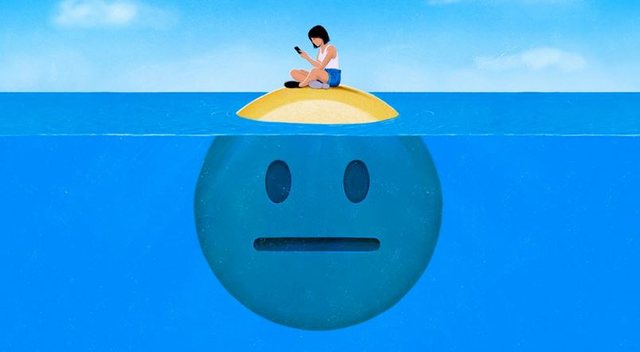
Facebook turned 20 years old and the platform remains as much a magnet for controversy and money as it was when it was created, writes The Economist. On January 31, the founder of the social network, Mark Zuckerberg, was questioned by US senators about the spread of harmful material on the network.
The next day, he made public the financial results of the company Meta, which has now reached the value of 1.2 trillion dollars. However, even though social media is attracting a lot of attention from users and critics, it is undergoing a profound, but somewhat hidden, transformation, writes The Economist.
The magic of social networks lay in the combination of personal interactions with mass communication. Now, this amalgam is splitting again. Status updates from friends have given way to videos from strangers, resembling hyperactive television.
Public posting is increasingly moving to closed groups, similar to email communications. What Zuckerberg calls the digital "town square" is being rebuilt and creating problems at the same time.
This matters because social media is how people experience the Internet. Facebook alone has more than 3 billion users. Social apps are responsible for almost half of the time spent in front of the mobile screen, a time that takes up more than a quarter of the hours of the day that a person spends awake.
Users now spend 40% more time on social apps than they did in 2020. In addition to being fun, social media is the center of online debate and serves as a catapult for political campaigns. In a year when half the world's population will head to the polls, politicians from many countries, from Donald Trump of the US to Narendra Modi of India, will be very present on the Internet.
The main different feature of social media is that it is not so social anymore. Popular apps like Facebook, inspired by TikTok, are showing users clips selected by Artificial Intelligence, relying on users' personal likes, not their social connections, i.e. the likes of friends.
On the other hand, people are posting less and less about themselves. The percentage of Americans who say they enjoy documenting their lives online has dropped from 40% to 28% as of 2020. The debate is shifting to closed platforms like WhatsApp and Telegram.
E pra, duket se në “sheshin e qytetit dixhital”, janë fikur dritat. Mediat sociale janë bërë më të mbyllura. Aplikacioni i videove TikTok, në pronësi kineze, ka filluar të imitohet nga platformat e tjera që duan të ndjekin rrugën e saj të suksesit. Twitter, i riemërtuar “X”, ka publikuar disa nga kodet e tij, por ka shtrënguar qasjen në të dhënat që shpjegojnë metodën që përdoret për të zgjedhur se cilat postime shihen nga përdoruesit. Grupet e mesazheve private shpesh janë të koduara plotësisht.
Disa nga pasojat e këtyre prirjeve, janë të mirëpritura. Aktivistët politikë thonë se duhet të zbusin tonin e mesazheve të tyre për të tërhequr përdoruesit që bëjnë biseda në grupe private të mediave sociale. Një postim provokues që tërheq “pëlqime” në platformën X, mund të duket pa shije për grupin e prindërve të fëmijëve të shkollave, të formuar në WhatsUp.
Postimet në aplikacionet e mesazheve renditen në mënyrë kronologjike, jo nga një algoritëm që maksimizon angazhimin e përdoruesve, dhe kjo gjë ul nxitjen për sensacione. Në veçanti, grupet e mbyllura mund të jenë më të mira për shëndetin mendor të adoleshentëve, të cilët kishin probleme me vetëbesimin kur jeta e tyre private bëhej publike në mediat sociale.
Në platformat ku algoritmet e mbështesin përmbajtjen online në pëlqimet personale të përdoruesve, këta të fundit vënë re shumë postime nga njerëz që nuk janë pjesë e rrethit të tyre. Dhe një burim që merr përmbajtje pothuajse nga kudo, ka potencialin për të përhapur idetë më të mira sa më larg.
Bota e re e mediave sociale
Megjithatë, kjo botë e re e mediave sociale, ka edhe problemet e veta. Aplikacionet e mesazheve janë kryesisht të pamoderuara. Për grupet e vogla, kjo është një gjë e mirë: në fund të fundit, platformat nuk duhet të kontrollojnë mesazhet e drejtpërdrejta midis përdoruesve të tyre, ashtu siç kompanitë telefonike nuk kanë të drejtë të vëzhgojnë telefonatat e klientëve.
Në regjimet diktatoriale, bisedat e koduara mund të shpëtojnë jetë njerëzish. Por grupet e Telegram prej 200,000 vetash, u ngjajnë më tepër transmetimeve të pakontrolluara, sesa bisedave private. Politikanët në Indi kanë përdorur WhatsApp për të përhapur gënjeshtra që me siguri nuk do të ishin pranuar nga një rrjet i hapur si Facebook.
Ndërkohë që më shumë njerëz po zgjedhin grupe të mbyllura për komunikim, rrjetet e hapura janë bërë më pak të dobishme, për shkak të rënies së postimeve publike. Gjatë pandemisë Covid-19, shkencëtarët dhe mjekët nisën debate në internet, që përfshinin njëkohësisht të dhëna të sakta dhe keqinformata.
Inteligjenca me burim të hapur vërshoi nga të gjitha anët, kur Rusia pushtoi Ukrainën. Sot ato biseda po zhduken ose po kalojnë në kanale të mbyllura, duke ngadalësuar përhapjen e ideve. Ndërkohë, njerëzit që deklarojnë ende mendimet e tyre në rrjetet e hapura publike, janë në pjesën më të madhe meshkuj, të cilët priren ta përshkruajnë veten si shumë të majtë ose shumë të djathtë.
Moreover, open network algorithms that are driven by user behavior seem to tend to spread the spiciest videos widely. Previously, for something to go viral on a social network, people had to choose to share it with others.
Whereas now, they inadvertently make a certain post more popular just by looking at it, as the algorithm rewards online content that attracts more views and clicks. From this new method, provocateurs such as Trump or Nayib Bukele, the favorite politician in this week's elections in El Salvador, are expected to benefit more, as well as the spreaders of misinformation.
The platforms say they have become better able to eliminate fakes. Taylor Swift, the latest victim of AI-generated fake images, may not agree with these platforms' claim that they are improving in this regard.
Even more pressing than the rise of fake news is the lack of real news. Zuckerberg once said he wanted Facebook to be like a personal newspaper. But since the social network is designed for entertainment, news accounts for only 3% of what people see.
Across all social media, only 19% of adults share news weekly, down from 26% in 2018. Pink news sites like BuzzFeed News, which relied on sharing posts, are gone. But it's clear that there's a problem when nearly half of young people say that social media has become their main source of news, at a time when these platforms have decided that news is no longer interesting.
WhatsApp and WhatsDown
Some people argue that the flaws of social networks can be fixed by better governance, smarter coding or a different business model. Things like that can certainly help. But the problems raised by the new generation of applications show that the shortcomings of social media are also the result of compromises in human communication.
When platforms turn to private groups, they inevitably have less oversight. When people leave their social groups, they may encounter more extreme online content.
When users embrace harmless entertainment, they watch less news. While social networks are dying, operators and users of the platform should devote less time to old battles and more time to face new battles./ Monitor

Happening now...








83 mandates are not immunity for Rama's friends
Nga Gentian Gaba
ideas

"Preliminary sentence for Belinda Balluku", response to Baton Haxhiu
Nga Blendi Kajsiu

Teatri që fsheh prapaskenën
Nga Patrik Sadikaj

Berisha's red line and the black line of democracy in the DP
Besmir Semanaj
top



Alfa recipes




TRENDING 




services
- POLICE129
- STREET POLICE126
- AMBULANCE112
- FIREFIGHTER128