


FLASH NEWS
Construction shows strong signs of cooling/ Revenues from infrastructure tax in Tirana fall by 2.3 times

2026-01-31 22:21:13 / EKONOMI&SOCIALE
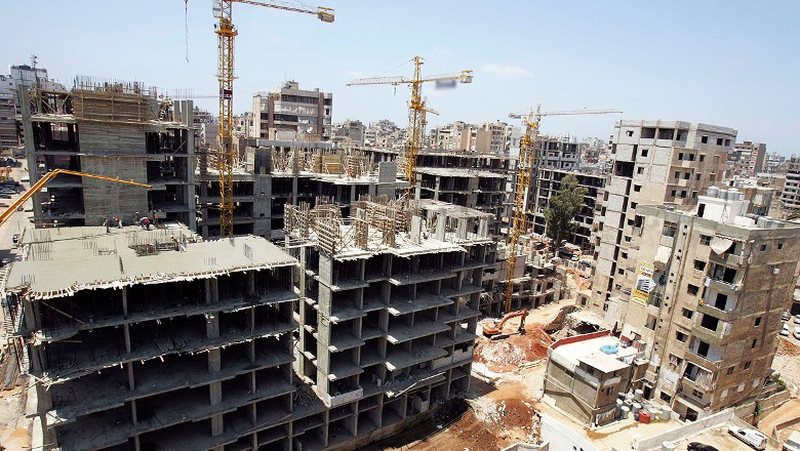
Revenues from the infrastructure impact tax in the Municipality of Tirana fell by 2.3 times last year, compared to the year before.
Official data from the capital's municipality budget shows that from the 147.5 million euros collected in 2024, revenue from the infrastructure impact tax fell to 65 million euros last year (1 euro = 97 lek).
The year 2024 marked a record in building permits in the capital, as the municipality and KKT granted permits for 1.9 million square meters of new construction, with an estimated investment value of 1.8 billion euros. But while 2024 was a record year, 2025 has resulted in the other extreme.
Data shows that revenues collected from the infrastructure impact tax last year were lower than three years ago, and even resulted in 22 percent lower than the municipality's own plan.
According to the budget, the Municipality of Tirana was expected to collect 8 billion lek or about 82.5 million euros in revenue from the infrastructure impact tax, but the actual figure collected was only 65 million euros.
The infrastructure impact tax is directly linked to the pace of new construction. For Tirana, the infrastructure impact tax is at the level of 8% and is calculated per square meter on reference prices, which increased significantly in August 2023.
The sharp decline over the past year in revenues collected from this tax is a direct signal that the euphoria in the construction market is receding.
Currently, there is a phenomenon in the market of permits that remain simply in PDF format. Many companies, after receiving construction permits, which the government issues without any criteria, are being stopped from paying the impact tax.
This phenomenon is proving massive, especially in permits for high-rise towers, where the government approves the permits, but construction does not begin because the builders do not pay the infrastructure impact tax.
Is the sharp decline in infrastructure impact tax revenues the result of the market returning to equilibrium from the levels of madness it had reached? Or is it a signal that builders are starting to smell tightness in the market.
This remains to be seen in the future, but since last summer, Prime Minister Edi Rama has made several public calls for citizens to buy homes because their prices will increase significantly when the country joins the EU. Two signs make a test, says an Italian proverb.
One thing now seems certain. The construction euphoria curve has passed its peak and is now on a downward slope.
Happening now...









Rama dhe Berisha “rrëzohen” nga rasti Dodik
Nga Bato Kosova
ideas


The great loneliness of the West and liberal democracy
Nga The Economist

Corruption money is buying political time.
Nga Taulanda Jupi
top





TRENDING 




services
- POLICE129
- STREET POLICE126
- AMBULANCE112
- FIREFIGHTER128