


FLASH NEWS
In which European countries do people pay the highest taxes? Where is Albania positioned?

2024-02-06 21:19:02 / EKONOMI&SOCIALE
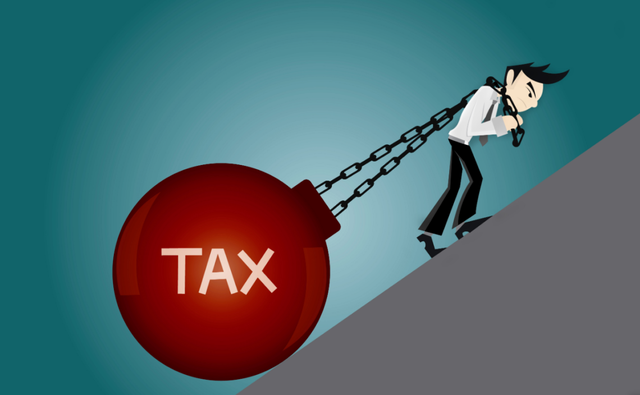
According to the Tax Foundation, average single-wage earners in Europe were paying around a third of their wages in tax in 2022. Not surprisingly, the tax burden across Europe varies significantly, with workers in Western Europe and more developed that pay much more.
Denmark (55.9%), Austria (55%), Portugal (53%), Sweden (52.3%) and Belgium (50%) are some of the countries with the highest personal income tax rates. On the other hand, Romania (10%), Bulgaria (10%), Bosnia and Herzegovina (10%), Kosovo (10%) and North Macedonia (10%) are the European countries with the lowest taxes.
Lower tax incentives in Eastern European countries
For Eastern and Southeastern European countries such as Romania, Bulgaria and Bosnia and Herzegovina, which are still developing their infrastructure and economies, lower taxes are a way to attract and hopefully retain foreign investment.
These countries often offer cheaper labor and production costs, tax breaks and a wealth of untapped markets and opportunities. Not only that, but they can also often offer a better standard of living, as the cost of living is significantly cheaper than most Western European countries.
Not only that, but Southern and Eastern Europe also has some of the fastest growing economies, with Bulgaria, North Macedonia, Romania and Cyprus all seen as future growth hotspots for some companies and industries.
However, in recent months, countries such as Romania have tried to raise taxes on workers in the software sector. The government is also trying to remove exemptions from health insurance payments for workers in the construction, food and agriculture sectors in order to increase tax revenues.
Are higher wages offsetting the high tax burden for some?
In some cases, average wages in higher-tax countries such as Denmark and Austria are also higher, which has gone a long way in alleviating some of the financial pressure. According to Eurostat, the average salary in Denmark in 2022 was around 62,972.33 euros, while in Austria, 68,690.65 euros.
This was due to more open salary negotiations, for example, due to Denmark's flexible working model, as well as a greater emphasis on education and career-long learning. Some countries also experience more demand in high-paying sectors such as finance, banking, law and medicine.
Inflation is also another factor that can make tax burdens potentially heavy. This is especially true after the Russia-Ukraine war that has seen energy and food prices rise over the past few years. Other conflicts, such as the Israel-Hamas war, have also been added to the mix, with Red Sea disruptions further driving up energy and other commodity prices.
If this trend continues, rising consumer prices will also put more pressure on people's wallets, making high taxes feel harder. Although Eurozone inflation fell to a two-year low of 2.8% in January, the European Central Bank (ECB) is still maintaining a cautiously optimistic approach, dependent on data before making any decision on interest rate cuts. / SCAN
Happening now...















Sali Llapa
Nga Bato Kosova
ideas



top



Alfa recipes








services
- POLICE129
- STREET POLICE126
- AMBULANCE112
- FIREFIGHTER128