


FLASH NEWS
The spread of "H5N1" seriously endangers wild birds in Albania

2025-01-10 19:23:29 / EKONOMI&SOCIALE
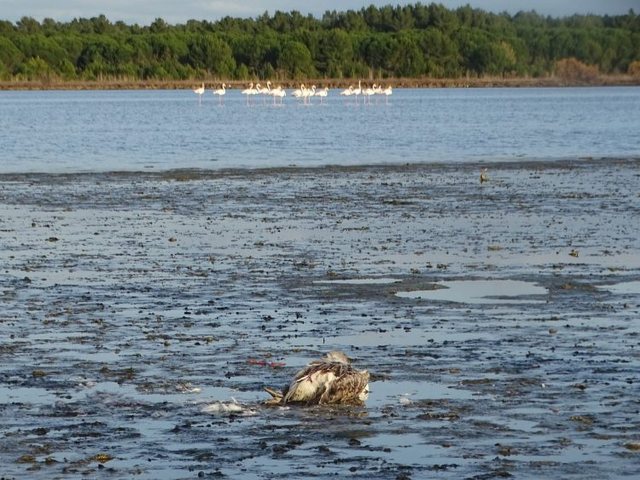
The Association of Albanian Ornithologists AOS confirmed the presence of bird flu H5N1 also in the wetland area of Divjakë-Karavasta, after a monitoring and joint field checks that their team did together with the Fier Regional Administration of Protected Areas.
"Cadavers of wild birds were found in Divjakë Karavasta", it is written in the public notice of AOS.
"Unfortunately, 9 carcasses of wild birds were found in a limited wetland area", the announcement continues.
H5N1 is a type of avian flu virus - also known as bird flu - that mainly affects birds, but in rare cases can also infect humans and other animals. This virus is highly infectious and dangerous for poultry, often causing epidemics in poultry flocks.
According to the ornithologist Taulant Bino, the spread of this flu has very negative effects both in the short and long term, risking the extinction of certain species of birds.
"In the short term, influenza causes massive die-offs of wild bird populations including seagulls, pelicans, ducks and raptors," Taulant Bino told BIRN.
Ornithologist Bino emphasized that for pelicans the spread of this flu is even more critical since they start nesting in January, and this increases the possibility of distribution and deaths in high numbers.
"Especially for small colonies like the curly pelican in Divjakë-Karavasta, it can lead to almost complete loss of the population in the long term", said Bino to BIRN, stressing that if the recovery happens it will be very difficult.
According to Bino, the measures that can be taken to prevent the further spread of influenza are related to the monitoring of sick birds in all wetlands of the country, as well as their collection and disposal with safe methods so as not to increase the rate of infection in the species other./ BIRN


Happening now...













America may withdraw from Europe, but not from SPAK
Nga Gentian Gaba
ideas



top


Alfa recipes




TRENDING 




services
- POLICE129
- STREET POLICE126
- AMBULANCE112
- FIREFIGHTER128