


FLASH NEWS
Transparency International's report "reds": Kosovo slips in the battle against corruption, Albania worsens

2026-02-10 08:35:04 / POLITIKË
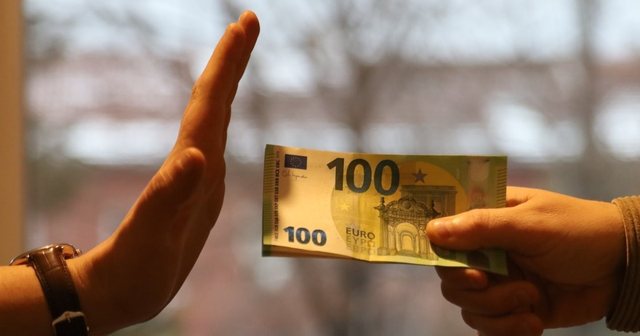
Kosovo has been rated 43 points in the Corruption Perceptions Index for 2025 of the international organization, Transparency International (TI), marking a decrease of one point compared to the previous year.
The new assessment places Kosovo 76th in the world out of a total of 182 countries and territories, or three positions lower than in 2024.
According to TI, a country's score indicates the level of perceived corruption in the public sector from zero (meaning that a country is extremely corrupt) to 100 (a country free from corruption), while a country's ranking in the index indicates its relative position compared to other countries.
Kosovo received the best rating in 2024 (44 points), ranking 73rd in the world. This marked a slight progress in fighting corruption compared to 2023, when it was rated with 41 points.
Kosovo has been included in this Corruption Perceptions Index since 2012. Since then, the country's worst rating was in 2013, 2014 and 2015, when it was rated 33 points for three consecutive years.
For 2025, among the countries in the region, Montenegro was rated best with 46 points (same as last time), North Macedonia with 40 (same as last time), Albania with 39 (marked a deterioration from 42 points in the previous index), Bosnia and Herzegovina with 34 (marked a decline, since last time it had 33 points) and Serbia with 33 (marked a decline since last time it had 35 points).
In the section on Eastern Europe and Central Asia, the organization said the index shows that weak institutions and democratic setbacks are fueling corruption and narrowing the space for civil society.
The concentration of power, influence on the judiciary and pressure on civil society are driving a rollback of democracy and weakening control mechanisms by reducing public oversight, the organization said.
"Across the Western Balkans, the lack of transparency in decision-making for major investment projects is a common weakness," the report said.
"The suspension of transparency rules and discretionary powers is exposing public funds to the risk of corruption and at the same time damaging public trust," it added in the section on the Western Balkans.
The report mentions Bosnia and Herzegovina and Albania regarding environmental issues.
TI tha se mungesa e procedurave konkurruese ka çuar në “shfrytëzim të pakontrolluar të burimeve natyrore në Bosnje” dhe ka çuar në “rrezik për degradim mjedisor në rastin e ishullit të Sazanit në Shqipëri”, si dhe “i ka mundësuar Qeverisë së Serbisë të nënshkruajë një marrëveshje sekrete me një investitor të huaj dhe në mënyrë të paligjshme të anulojë mbrojtjen e një monumenti kulturor për ta zëvendësuar atë me një hotel luksoz”.
Sa i përket Sazanit, Shqipëria në fund të vitit 2024 i dha statusin e investitorit strategjik kompanisë të dhëndrit të presidentit amerikan, Donald Trump, Jared Kushner, për të ndërtuar një resort turistik në ishullin e Sazanit në afërsi të Vlorës.
Statusi i investitorit strategjik, kompanisë së Kushnerit i është dhënë për periudhën 10-vjeçare.
Planet e tij për investim në Shqipëri ishin përballur me kundërshtime në këtë shtet, sidomos nga ambientalistët që kishin thënë se mund të shkaktohen dëme në zonat e mbrojtura bregdetare, sidomos për zonën e Zvërnecit.
Ndërkaq, sa i përket heqjes së mbrojtjes së monumentit kulturor në Serbi, që përmend TI-ja, bëhet fjalë për ish-ndërtesën e Shtabit të Përgjithshëm të ushtrisë jugosllave, ku Kushner kishte planifikuar të ndërtonte një hotel.
Por, në mesin e dhjetorit të vitit të kaluar, u raportua se Kushner është tërhequr nga ky investim.
TI tha po ashtu se në disa vende të Ballkanit Perëndimor, përgjigja e dobët e gjyqësorit vlerësohet si një nga pengesat kryesore për luftën e suksesshme kundër korrupsionit, “teksa gjyqtarët dhe prokurorët po bëhen gjithnjë e më shumë objekt i sulmeve nga qeveritë”.
Në këtë drejtim, organizata përmend Serbinë ku thuhet se pas hetimeve për abuzime të dyshuara nga anëtarë të Qeverisë, Prokuroria për Krim të Organizuar në Serbi “po përballet me presion në rritje, përfshirë fushata denigruese të udhëhequra nga Qeveria, pengimin e bashkëpunimit me policinë dhe ndryshime ligjore që dobësojnë aftësinë e saj për të hetuar krimin e organizuar dhe korrupsionin e nivelit të lartë”.
Duke folur për Serbinë, organizata tha se ky shtet bën pjesë në mesin e vendeve që janë vlerësuar dobët në indeks dhe ku më 2025 ka pasur rritje të protestave nga gjenerata e re, pasi të rinjtë në këto shtete, “protestuan për të kërkuar llogaridhënie nga qeveritë e tyre”.
Në vitin e kaluar, Serbia u përball me protesta të mëdha, përmes së cilave qytetarët kërkuan përgjegjësi për vdekjen e disa personave nga rrëzimi i një strehe betoni në një stacion hekurudhor dhe më pas kërkesat e tyre u zgjeruan, duke kërkuar zgjedhje të reja.
Ndërkaq, në rastin e Bosnjës, Transparency International tha se ndikimi politik mbi emërimet në sistemin gjyqësor “është aq thellësisht i rrënjosur, saqë përpjekje të shumta për ta rregulluar atë në mënyrë efektive kanë dështuar, pavarësisht faktit se kjo përbën një pengesë serioze për integrimin e vendit në Bashkimin Evropian”.
In the published report, TI said that the global average Corruption Perceptions Index has declined in more than a decade, to just 42 out of 100.
"The vast majority of countries have failed to keep corruption under control: 122 out of 182 countries are rated below 50 points on the index," said Transparency International.
Also, the number of countries rated above 80 points has dropped from 12 a decade ago to just five this year.
"In particular, there is a worrying trend of worsening corruption in democracies – from the United States (64), Canada (75) and New Zealand (81), to parts of Europe, such as the United Kingdom (70), France (66) and Sweden (80)," the international organization said.
According to this year's index, Denmark, Finland and Singapore are at the top, as they were last year. Meanwhile, at the bottom of the list, Venezuela, Somalia and Sudan are ranked worst.
Transparency International says that the data used to compile the index covers these forms of corruption in the public sector: bribery, misuse of public funds, use of public office by officials for personal gain without facing consequences, the ability of governments to curb corruption in the public sector, excessive bureaucracy that can increase opportunities for corruption in the public sector, political appointments in the civil service, laws that allow public officials not to declare assets or potential conflicts of interest, legal protection for persons who report cases of bribery and corruption, state capture, and access to information on public affairs and government activities.
However, this index does not cover citizens' perceptions of corruption or their experience with this phenomenon, tax fraud, illicit financial flows, persons who may assist in committing corrupt acts, money laundering, corruption in the private sector, and informal economies and markets./REL
Happening now...






ideas


top

Alfa recipes



TRENDING 




services
- POLICE129
- STREET POLICE126
- AMBULANCE112
- FIREFIGHTER128