


Lajme flash
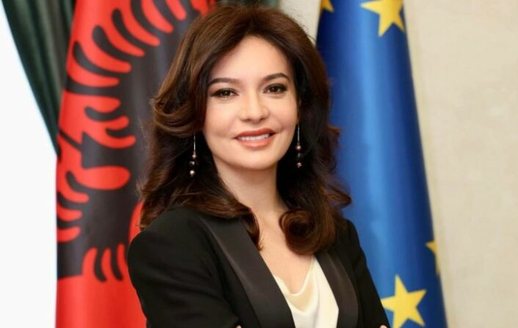
Elisa and the dilemma of Rama's political legacy!

2026-11-20 22:15:53 / IDE

By Irena Beqiraj
As I listened to Elisa Spiropali, I was reminded of Edi Rama's expression: "I don't have a political son who will kill me." This expression seemed even more meaningful to me when Elisa considered Rama her father and political mentor.
Apparently, Rama sees politics through a paternal relationship, where the leader is the father, the others are the sons, and political inheritance takes the form of a symbolic act of killing the father. A relationship where the independence of the successor can be interpreted as betrayal, while obedience as virtue.
Despite the simplification that comes from equating a party with a "political family", in political philosophy a party is not a family and the leader is not a father. A party should be a community of free people who share a political project but do not give up their individual judgment.
Aiming to lead the party you belong to is a human and politically legitimate ambition. There is nothing wrong with anyone in the Socialist Party wanting to replace Rama, especially people who have fought strong political battles for the party, invested their careers and energy in it, and contributed to its victories.
The problem is not the objective, but the journey to get there, which cannot be reduced to a series of political maneuvers. It is also a process in which the organic connection that the individual creates with the truth is revealed.
The first truth that must be faced is that Rama did not become a personalist leader today. The personalization of power is not built overnight. It requires time, repetition, conviction, silence and, above all, the cooperation of many people who, regardless of their reasons, agree to become part of it. Likewise, the Balluku model in governance was not a sudden accident. The signs have been there for years.
It was 2018 when we saw how a book genius could become Foreign Minister, after reading "Anne Frank" at the age of 14. But not only that, he also became the general secretary of the Socialist Youth, although the latter did not even know that a boy named Gent Cakaj existed. We also saw how a girl named Edona, it must be said, a very pleasant conversationalist over a glass of wine or a coffee, was catapulted to the top of the list, while the party was asked to become like Edona.
I am not continuing to twist the knife in the wound of socialists who for years were treated as second-class citizens in their own party. Not because they lacked skills, experience or contribution, but because people whose only real connection to the party was the leader or his close circle had to be promoted to political positions.
Në pamje të parë, dukej sikur fati u kishte trokitur në derë Edonës, Gentit, Besës apo Senidës. Mund të ketë edhe emra të tjerë në këtë listë. Por, siç ndodh shpesh, jo çdo e mirë vjen për mirë. Nëse secilin prej tyre do ta pyesje në atë kohë se ku e shihte veten pas pesë vjetësh, përgjigjja ndoshta do të ishte: "Nuk e di as ku do të jem pas pesë ditësh".
Sot, jam e sigurt se secili prej tyre e ka kuptuar që një pozicion politik pa valencë politike është si një strehë e dhënë me qira, ku askush nuk largohet pa paguar qiranë, shumën e së cilës e mëson vetëm në fund, ose kur përfundon në dyert e drejtësisë, në varësi të ambicies.
Ky është pikërisht mekanizmi që forcon themelet e pushtetit personalist, ai u jep njerëzve shumë pushtet, pa u dhënë atyre asnjë autonomi; mund t’i bëjë ministra, deputetë, drejtues institucionesh, por jo domosdoshmërisht aktorë politikë me identitetin, autoritetin dhe bazën e tyre. Ata marrin pozicione, por nuk ndërtojnë fuqi të pavarur. Thënë ndryshe, promovohen pa u fuqizuar.
Në këto kushte, përzgjedhja mund të zhbëhet po aq shpejt sa është bërë. Në pushtetin personalist askush nuk shqetësohej veçanërisht për njerëzit që hynin e dilnin nga qeveria apo parlamenti pa lënë pothuajse asnjë gjurmë; nuk shqetësohej as për faktin se si një karrierë politike mund të ndërpritej brenda natës, siç ndodhi me Vilma Bellon apo Elona Gjebrenë. Për sa kohë që secili ruante vendin e vet në hierarkinë e heshtjes, sistemi funksiononte shumë mirë.
Pra, e vërteta tjetër është se mungesën e konkurrencës dhe të meritës nuk e ka prodhuar Balluku. Madje, e kundërta është e vërtetë: Mbyllja e syve për një kohë të gjatë ndaj mungesës së konkurrencës dhe meritës, bashkë me heshtjen përballë kulturës së katapultimit, prodhoi fenomenin Balluku.
Balluku nuk është një devijim i papritur nga mënyra se si është qeverisur deri më sot. Ajo nuk është një trup i huaj në modelin e Ramës, por produkt i një kulture pushteti që e ka vendosur besnikërinë personale mbi autonominë politike, afërsinë me liderin mbi autoritetin e fituar dhe kontrollin mbi përgjegjësinë institucionale. Ajo nuk e shpiku këtë mënyrë qeverisjeje; e gjeti të ndërtuar, u bë plotësisht e pa asnjë rezervë pjesë e saj dhe, me kalimin e kohës, u shndërrua në një prej aktoreve më të rëndësishme të saj.
Prandaj, kushdo bijë apo bir politik që dëshiron të vazhdojë të ketë një të ardhme në politikë, duhet të shqyrtojë me paanshmëri, larg emocioneve, arkitekturën politike që e bëri të mundur ngritjen dhe fuqizimin e këtij modeli pushteti. Por, nëse këtë shqyrtim e bën me ndershmëri, reflektimi duhet të fillojë nga vetja. Së pari, duhet të ketë kurajën të pranojë: «Edhe unë kam jetuar brenda këtij modeli dhe nuk kam munguar t’i pranoj marrëzitë që imponote ky model».
It is equally important to acknowledge that Edi Rama was the architect of this system. Otherwise, any statement of distancing from the past risks turning into an unnecessary use of the sword, which can cut down the one who uses it.
I hope Elisa understands these lines. Otherwise, I'm afraid she too will soon have to find a television station where she can host her own "talk show" every Thursday!
Po ndodh...






What are the socialists without Rama, "shit"?!
Nga Indrit Gjyzeli
ide

Elisa and the dilemma of Rama's political legacy!
Nga Irena Beqiraj

The eunuchs of power have everything but the courage for dignity.
Nga Andri Nurellari

top




TRENDING 


shërbime
- POLICIA129
- POLICIA RRUGORE126
- URGJENCA112
- ZJARRFIKESJA128