


Lajme flash
The eunuchs of power have everything but the courage for dignity.

2026-11-20 11:21:00 / IDE

There are politicians in the Socialist Party who have spent thirty years climbing the hierarchy of power, only to end up at a point where they dare not take the ultimate step, to challenge the president.
For decades they have enjoyed the privileges of power, have secured material well-being and social status, and have reached an age when every public figure naturally thinks about the mark they will leave behind. But even at this stage of life, they continue to measure every word and every gesture for fear of offending the mayor's humor.
What do they still have left to gain, for which they sacrifice freedom of thought, personal dignity, and the name built over an entire career? Their political tragedy is that, having taken everything from power, they continue to behave as if they have everything to lose.
The ancient imperial courts were dominated by eunuchs, who served as guards, administrators, and intimates of the ruler. They enjoyed the court’s trust because they were castrated and, as such, were unable to establish a rival dynasty or claim the throne for their descendants. Even when some of them managed to amass great administrative power, their entire political existence depended on the will and mercy of the monarch.
This historical figure explains a phenomenon rooted in our politics, filled with politicians who rise to the top by giving up their independence and ambition to rival the leader. All their energy is focused on serving the leader and maintaining closeness to him.
The recent meeting of the Socialist Party Assembly exposed the political culture of the eunuch in its clearest form. In democratic European parties, party forums function as spaces where members analyze the work of the leadership, debate political direction, and hold the chairman accountable. Within the Socialist Party, the mechanism has been turned upside down. The chairman calls the forum to hold elected officials accountable, publicly reprimands them, defines the boundaries of permissible behavior, and sets the tone for the discussion, while the hall follows with careful attention every signal coming from the podium.
When collegial bodies lose their democratic statutory weight, self-censorship gradually turns into a daily survival reflex. Members consequently learn to anticipate the chairman's reactions and avoid any stance that could be read as a challenge to his authority.
Diskutimet e fundit mbi masat disiplinore ndaj Elisa Spiropalit dhe Plarent Ndrecës e tregojnë qartë këtë klimë. Ndërhyrja e veteranëve si Fatmir Xhafaj, Pandeli Majko dhe Erion Braçe për të kundërshtuar propozimin e përjashtimit dëshmon se sa e ngushtë është bërë hapësira e mendimit ndryshe brenda partisë. Kur edhe një vërejtje apo mospajtim i zakonshëm rrezikon të trajtohet si shkelje e rëndë disiplinore, gara e hapur për drejtimin e partisë bëhet praktikisht e pamundur.
Në demokracitë me traditë parlamentare, konkurrenca për lidershipin përbën një proces të natyrshëm të jetës partiake. Kryetarët përballen me kandidatë rivalë, i nënshtrohen votës së anëtarësisë, japin dorëheqjen kur humbasin besimin dhe u hapin rrugën kolegëve të tyre. Një garë e tillë sjell ide të reja, ndihmon në korrigjimin e gabimeve qeverisëse dhe garanton qarkullimin e elitave.
Brenda Partisë Socialiste është ngulitur një model tjetër karriere, ku politikanët kalojnë tridhjetë vjet në jetën publike duke pranuar heshturazi se posti i kryetarit i përket përgjithmonë një njeriu të vetëm. Karriera reduktohet në ruajtjen e mandatit të radhës, sigurimin e një funksioni ekzekutiv dhe zgjatjen e qëndrimit pranë pushtetit, duke konsumuar për mbijetesë personale energjinë që duhej t'i shërbente debatit dhe ripërtëritjes politike.
Rasti i Braçes mbetet domethënës për të kuptuar këtë ngërç. Me mbi tridhjetë vjet veprimtari politike, me mandate të njëpasnjëshme parlamentare dhe me përvojën e ish-zëvendëskryeministrit, ai është një nga figurat më jetëgjata të së majtës shqiptare. Braçe ka shprehur herë pas here kritika publike ndaj politikave apo vendimeve të qeverisë, gjë që e dallon nga heshtja e përgjithshme e grupit parlamentar.
Por edhe pas kaq shumë mandatesh e postesh, ai sërish voton për diçka që e ka kundërshtuar haptazi. Ç'vlerë ka të kesh zërin e deputetit, përvojën e ministrit dhe autoritetin e veteranit, nëse në fund voton kundër asaj që thua dhe hesht për atë që beson?
Veliajt është një tjetër rast domethënës. Për vite me radhë, ai ishte ndër figurat më me ndikim të Partisë Socialiste, duke drejtuar Bashkinë e Tiranës dhe strukturat politike të kryeqytetit, si dhe duke luajtur rol vendimtar në promovimin e dhjetëra zyrtarëve që sot mbajnë poste të rëndësishme. Megjithatë, në çastin kur ai humbi mbështetjen politike të Ramës, solidariteti publik nga po këta bashkëpunëtorë u zhduk thuajse krejtësisht.
Pushteti i përqendruar në duart e një njeriu të vetëm krijon rrjete varësie, dhe varësia prodhon gjithmonë besnikëri të kushtëzuar nga interesi i çastit. Kur marrëdhëniet brenda një force politike mbështeten te frika dhe shpërblimi, llogaritë e bashkëpunëtorëve ndryshojnë sapo lëkundet qendra e gravitetit. Heshtja e atyre që u rritën politikisht pranë Veliajt pasqyron faktin se duartrokitjet u drejtohen zyrës dhe fuqisë që ajo mbart.
Often silence and obedience to the leader are justified with the repeated refrain that the party is a big family and that its concerns should be kept within the walls of the house. In reality, the political party is a public organization regulated by law, financed by citizens' taxes, which competes to govern the country and makes decisions that affect the administration, the economy, justice and the daily life of every Albanian family.
Treating it as a closed circle where silence is valued as loyalty and dissent is seen as betrayal, strips the party of its constitutional and democratic role.
This is where the deinstitutionalization of the party comes into play: the statute and the leadership forums continue to exist on paper, while real decision-making is concentrated in an ever narrower circle. When a leader is surrounded only by people who approve of his every word, honest information dries up, problems are softened, failures are covered up, and scandals are relativized until the cost becomes unaffordable for everyone.
Political history knows many figures who find the courage to speak out only after leaving power. Then they begin to confess the mistakes they had noticed long ago, the decisions they had quietly opposed in the corridors, and the injustices they had not dared to stop when they had their signature in hand. But the moral and political weight of a position is directly related to the moment in which it is held.
Veterans of the Socialist Party have been ministers, deputies and senior leaders for decades, taking from politics everything it could give them. After thirty years of careers, what remains to be defended is personal dignity and the integrity of a public life.
If, even at this age and after all this experience, the freedom to defend a belief, to oppose an injustice, and to hold the leader accountable is lacking, then history will remember them only as obedient tools of the leader./exit
Po ndodh...


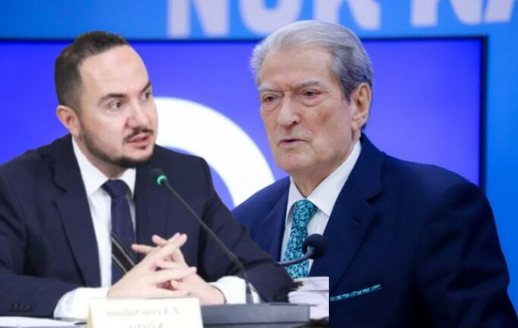




What are the socialists without Rama, "shit"?!
Nga Indrit Gjyzeli
ide

Elisa and the dilemma of Rama's political legacy!
Nga Irena Beqiraj

The eunuchs of power have everything but the courage for dignity.
Nga Andri Nurellari

top




TRENDING 


shërbime
- POLICIA129
- POLICIA RRUGORE126
- URGJENCA112
- ZJARRFIKESJA128