


FLASH NEWS
Deactivating Facebook will make you less sad

2025-12-30 14:52:08 / JETË
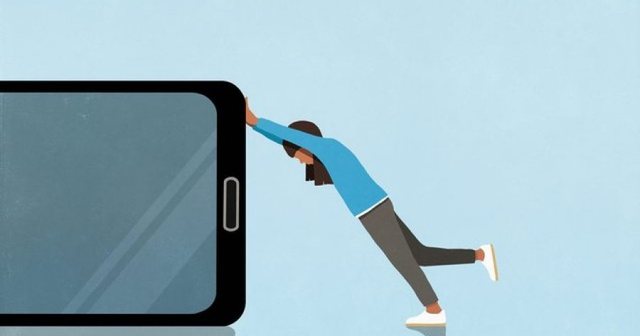
There are some truths we all know, but we push them aside because it's easier to get distracted: another episode, another "scroll", another hour lost on the internet.
This is precisely the paradox brought to attention by a news story published by Reuters and reworked by major media outlets: Meta had internal data showing that quitting Facebook could make you feel better emotionally, but the study was not made public and was discontinued.
According to the article, much of what we know today about the “inside” of Meta is related to Frances Haugen, a former Facebook employee who in 2021 identified herself as a “whistleblower” and shed light on internal documents published by the Wall Street Journal. They raised concerns that the company had, in some cases, put profit interests ahead of protecting users and fighting misinformation, even when it knew there were consequences.
In a television interview, Haugen emphasized that within the company, according to her, the same conflict was repeated: what was good for people clashed with what was good for business, and the second option was often chosen.
Instagram and teenagers: known risk, insufficient correction
Another hot topic of debate remains the psychological impact of Instagram on teenagers. According to reports linked to internal documents, the company had analyzed the effects, seen problematic results, but had not seen a significant change in substance.
Meanwhile, a major legal battle is also taking place in the US: a law firm has brought together hundreds of complaints (from parents and school districts) accusing the company of ineffective parental controls, weak security measures, and mechanisms that encourage addiction through the logic of "likes" and followers.
At the heart of the Reuters story is an internal 2020 study, codenamed "Project Mercury," conducted in collaboration with Nielsen. The goal was to understand what happens to users when they disconnect from Facebook.
The main result, according to the cited papers: people who left Facebook for a week reported reduced feelings of depression, anxiety, loneliness, and social comparison. In short: a short break from the platform seemed to be linked to a lighter emotional state.
Why was the study stopped and why was it not published?
According to the report, Meta stopped the research and, within the company, was told that the results could have been “influenced” by the existing narrative in the media. But in internal communications, some employees had expressed concern that the study was showing a “causal influence” of networks on social comparison, and that the silence on this data resembled the logic of the tobacco industry: know the harm, but keep it to yourself.
After Reuters published the story, Meta spokesman Andy Stone disputed the claim, saying the methodology used at the time was flawed and that was the reason for the outage. He added that the company had made changes to protect teens and dismissed the allegations as based on biased quotes and inaccurate interpretations.
The hearing where other documents are expected to be discussed within the framework of the court case is scheduled for January 26.
The question that remains for each of us
Amidst all this, the article turns the debate to a simple and personal test: would you try going without social media for a few days, not as a slogan, but as a real experiment, to see how your mind reacts when you remove the unconscious "scroll"?
Because, after all, many of us have already spent part of our lives without them. And perhaps, without realizing it, our bodies and minds remember what that peace felt like.
Happening now...
















ideas
Blaming Gaz Bardhi for the statutory changes
Nga Namir Lapardhaja

The Statute Review and Berisha's Sinking Boat
Nga Alesia Balliu

Will the new justice system unite the SP and the DP?
Nga Arbër Hitaj
top






TRENDING 




services
- POLICE129
- STREET POLICE126
- AMBULANCE112
- FIREFIGHTER128