


FLASH NEWS
What is 'FaceBoarding' and which European airports are using it?!

2024-05-13 10:25:07 / JETË
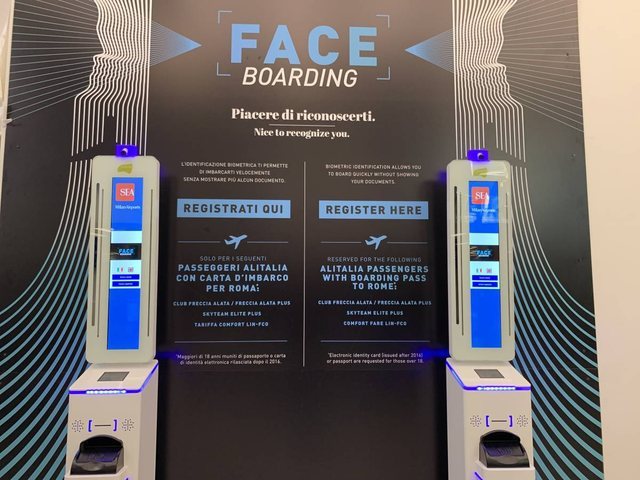
Airports in Italy are trialling new security and boarding technology, which means passengers don't have to show their documents to board a flight.
Called FaceBoarding, the system uses facial recognition technology to allow travelers to pass through security checks and boarding gates instead of showing their passport, ID card or boarding pass.
Passengers must check in at airport kiosks or via an app to use the technology. FaceBoarding is a biometric system that allows passengers to access security checks and gates using facial recognition. After checking in for the flight, travelers use airport kiosks to show their documents and scan their face. This then allows them to use FaceBoarding instead of displaying their documents again.
An app is also being developed and hopes to launch in June so passengers can register their information in advance. Passengers can decide whether to check-in for a single flight or for all flights until December 31, 2025.
Once checked in, passengers can pass through designated security gates and boarding gates without showing proof of identity or a boarding pass. The new system uses biometric recognition software created by French IT company Thales and security gates by Swiss company Dormakaba. It is hoped it will reduce waiting times at security and boarding gates.
FaceBoarding is currently available to all passengers over the age of 18 at two airports in Italy: Milan Linate and Catania. Those who do not wish to use the system can access security and gates as usual using their ID and boarding pass. ITA Airways and Scandinavian Airlines (SAS) are registered in the system and it is also available for all other airlines.
Another type of biometric technology will also soon be deployed at airports across the EU. The EU Entry/Exit System (EES) will be an automated registration system for UK and other non-EU travelers who do not require a visa to enter the EU. Travelers will need to scan their passports or other travel documents at a self-service kiosk every time they cross an external EU border. A facial scan will also be done. EES will not apply to legal residents or those with long-term visas.
The system will record the passenger's name, biometric data and date and place of entry and exit. Facial scans and fingerprint data will be stored for three years after each trip. It will apply when you enter all EU member countries except Cyprus and Ireland, as well as the four non-EU countries in the Schengen Area: Iceland, Liechtenstein, Norway and Switzerland.
-

Horoscope for today, May 13, 2024
May 13, 07:09
Happening now...
















Sali Llapa
Nga Bato Kosova
ideas

Republic of Thieves!
Nga Gjergji Nika

Albania, this ship stuck in the business of theft!
Nga Edison Ypi

top



Alfa recipes








services
- POLICE129
- STREET POLICE126
- AMBULANCE112
- FIREFIGHTER128