


Lajme flash
Mysteries of mythology, 6 ancient stories of resurrections

2026-05-08 16:06:45 / MISTERE&KURIOZITETE
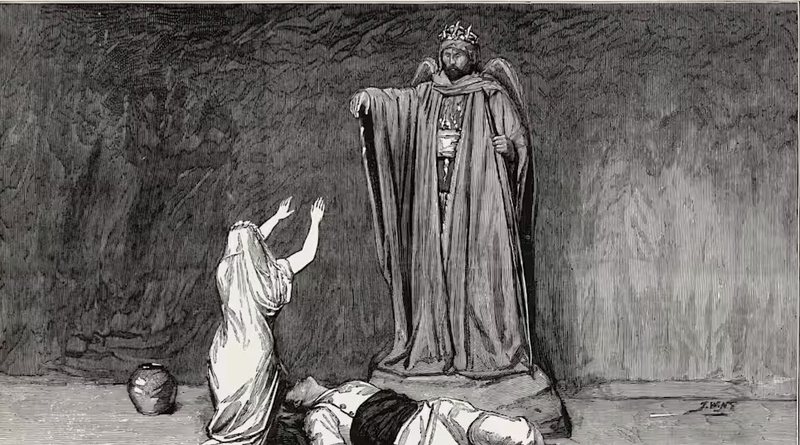
According to the New Testament, Jesus Christ was brutally killed by the Romans around 33 AD. But after three days in the tomb, Jesus is said to have miraculously risen, appeared to his disciples, and ascended to heaven. Jesus' resurrection and victory over death is what Christians celebrate every Easter.
But Christianity is not the only ancient faith that worships a deity who dies and then resurrects, as Scottish anthropologist James Frazer explained in his important book The Golden Bough (1922), a major study of world religion and mythology.
In the ancient Near East, where the Bible was written, stories of the death and resurrection of deities were closely tied to the agricultural cycle. Frazer believed that early Christians probably chose a spring date for Easter to coincide with pagan festivals that existed for resurrected deities.
"Taken together, the similarities between Christian and pagan holidays are too close and numerous to be coincidence," Frazer concluded.
Here are six examples of resurrection stories from ancient cultures around the world, including India, China, Mesoamerica, and Norse mythology.
1. Tammuz, the god of spring in Mesopotamia
In ancient agricultural societies, the last days of winter marked the end of a long period of little food and the long-awaited arrival of the abundance of spring and summer. In ancient Mesopotamia, one of the first agricultural civilizations, people sought divine explanations for these annual cycles of abundance and scarcity.
Ishtar was the great mother goddess and the source of nature's fertility and abundance. Her lover was Tammuz, a young and beautiful god who died every winter and went to the dark world of the dead. For six months of the year, Ishtar traveled to the world of the dead to rescue her lover. During this time, the world was left without fertility, reproduction, and growth.
Each spring, the stern goddess of the underworld, Allatu, allowed the imprisoned couple to be sprinkled with the Water of Life and returned to the world of the living, bringing life and greenery back to the land. In the Babylonian calendar, this resurrection was celebrated during the month of Du'ûzu or "Month of Tammuz," which fell in late June and early July.
Throughout the ancient Near East, other cultures later created their own versions of this story. The Phrygians told the story of Attis, who was brought back to life at the spring equinox by the fertility goddess Cybele. The Greeks had the myth of Persephone, abducted by Hades, who was allowed to return from the underworld each spring, bringing about the return of vegetation and grain production.
2. Osiris, the Egyptian god of death and agriculture
Ashtu si Mesopotamia, qytetërimi i Egjiptit të lashtë varej nga ciklet e natyrës. Ata mbështeteshin veçanërisht në përmbytjet pranverore të Nilit, të cilat sillnin bollëk bujqësor. Egjiptianët besonin se këto cikle kontrolloheshin nga Osirisi, perëndia e bujqësisë.
Sipas mitologjisë egjiptiane, Osirisi dikur sundonte tokën bashkë me bashkëshorten e tij Isis, perëndeshën e pjellorisë. Por ai u mashtrua dhe u vra nga vëllai i tij Set, i cili e copëtoi trupin e tij dhe i shpërndau pjesët nëpër Egjipt. Isis i mblodhi pjesët e trupit të Osirisit, e vajosi dhe kreu rituale të ndërlikuara balsamimi, duke e ringjallur atë në jetën e përjetshme si perëndia e botës së të vdekurve.
Faraonët e lashtë shpresonin të bëheshin të pavdekshëm përmes të njëjtave rituale mumifikimi që përdori Isis. Me kalimin e kohës, edhe njerëzit e zakonshëm zgjidhnin të mumifikoheshin me shpresën për të mposhtur vdekjen si Osirisi. Mumiet mbretërore si Tutankhamuni u gjetën me maska funerale që mbanin tiparet e Osirisit.
3. Mashtrimi i vdekjes në Indinë e lashtë
Më në lindje, në Indi, ekziston të paktën një histori e dashur për vdekjen dhe ringjalljen.
Sipas traditës hindu, ishte një princeshë e zgjuar dhe e bukur me emrin Savitri, e cila refuzoi të martohej me kërkuesit e shumtë që donin dorën e saj. Ajo u largua nga pallati për të gjetur dashurinë e vërtetë dhe takoi Satyavanin, një druvar i pashëm që dikur kishte qenë princ.
Savitri dhe Satyavani ranë në dashuri dhe u martuan, por një lajmëtar i perëndive solli një profeci të tmerrshme, Satyavani do të vdiste saktësisht pas një viti. Dhe siç ishte parashikuar, në përvjetorin e parë të martesës së tyre, ai u rrëzua dhe vdiq. Yamraji, perëndia e vdekjes, erdhi për të marrë shpirtin e tij.
Por Savitri kishte një plan. Ajo e ndoqi me këmbëngulje Yamrajin nëpër shkretëtirën e nxehtë deri në hyrje të botës së të vdekurve, duke iu lutur për kthimin e bashkëshortit. Yamraji pranoi t'i plotësonte një dëshirë, por jo jetën e burrit të saj.
Në vend të kësaj, Savitri kërkoi që të kishte shumë fëmijë. Kur Yamraji pranoi, ajo e pyeti se si mund të kishte fëmijë pa bashkëshort. Dhe duke qenë se ajo kishte premtuar të martohej vetëm me Satyavanin, Yamraji u detyrua ta kthente atë në jetë për të mbajtur fjalën.
Satyavani u ringjall dhe çifti i lumtur u ribashkua.
4. Bodhidharma dhe këpuca e vetme
Sipas traditës budiste, figura e njohur si Bodhidharma ishte një dijetar i madh indian që mund të ketë qenë i pari që solli budizmin në Kinë. Në traditën Zen, Bodhidharma shpesh paraqitet si një mësues i mençur dhe i zgjuar, që sfidon nxënësit me enigma të çuditshme, të cilat, nëse kuptohen, çojnë drejt ndriçimit shpirtëror.
Një ditë, një diplomat kinez i quajtur Songyun po kalonte malet Pamir mes Kinës dhe Indisë, kur pa Bodhidharmën tashmë të moshuar që po ecte në drejtimin e kundërt. Songyun e pyeti se ku po shkonte dhe Bodhidharma iu përgjigj se më në fund po kthehej në shtëpi, në Indi.
Then Songyun noticed that Bodhidharma only had one shoe, so he asked him why. Bodhidharma told him to ask the monks when he got to Shaolin. They parted ways, but when Songyun asked about the shoe at Shaolin, he was thrown into prison for lying. Songyun could not have seen Bodhidharma, because he had died several years earlier.
To prove this, monks opened Bodhidharma's tomb, but found only one shoe. Not even death could stop his wisdom, and he is often depicted barefoot, carrying a shoe on a staff.
5. Odin's Sacrifice (to himself)
In Norse mythology, Odin is the greatest of the gods of Valhalla, a creator god of unparalleled wisdom and magical power. But he paid a great price to achieve this profound knowledge.
According to Norse legend, the greatest sources of knowledge were the runes, magical symbols that even the gods could not fully understand. But Odin was willing to do anything, even face death, to discover their meaning and gain hidden power.
According to the Viking epic poem Hávamál, Odin underwent a harsh sacrifice: "I gave myself to myself," he says. He hung himself from the great tree Yggdrasil, pierced his body with a spear, and forbade the other gods from helping him. For nine days, Odin remained hanging, gazing into the depths of the well of Urd, until on the ninth day the runes were revealed to him.
In this long ordeal, a part of Odin "died" and he was reborn as a more powerful being, with new knowledge and abilities.
6. Quetzalcoatl: Resurgence in Mesoamerica
In ancient Mesoamerica, one of the greatest gods was Quetzalcoatl, the "feathered serpent," worshipped for centuries by the Mayan, Toltec, and Aztec civilizations.
In some traditions, Quetzalcoatl was similar to Osiris, a god of agriculture and vegetation, associated with the rain god Tlalokc. And like Osiris, Quetzalcoatl was tricked by his brother, forced to drink a strong drink and sleep with a priestess. Filled with guilt, he killed himself by burning himself, but was later resurrected.
In Toltec mythology, Quetzalcoatl is associated with the planet Venus, the brightest star in the ancient sky, who seemed to be "born" from the Sun, like Quetzalcoatl rising from his funeral pyre. As a representation of Venus, the morning and evening star, he became the god of death and rebirth. As a creator god, he also descended into the underworld to collect the bones needed to create the first humans.
Po ndodh...


Rama's government no longer has enough Berisha!
Nga Indrit Gjyzeli
ide


top





TRENDING 




shërbime
- POLICIA129
- POLICIA RRUGORE126
- URGJENCA112
- ZJARRFIKESJA128